
Face (Māori: kanohi) in New Zealand Sign Language (NZSL)
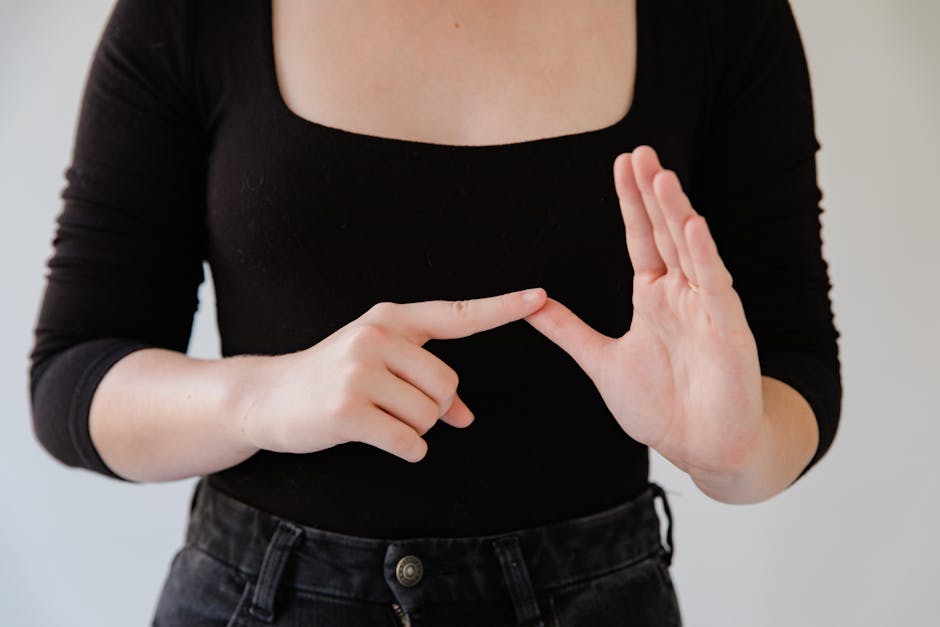
The sign “facekanohinoun” in NZSL refers to the facial features or expressions of a person. It’s commonly used in conversations about appearance, emotions, or when discussing someone’s character in the New Zealand Deaf community.
Table of Contents
How to Sign “Facekanohinoun” in NZSL
- Start by positioning your dominant hand in a flat ‘B’ shape (palm facing down).
- Place your hand at the center of your face, just below your eyes.
- Gently move your hand outward and slightly upward while maintaining the flat handshape.
- As you sign, ensure your facial expression reflects the emotion or characteristic you are describing, using eyebrows and mouth movements for emphasis.
Common Mistakes
- Forgetting to use facial expressions, which are crucial in NZSL to convey meaning.
- Incorrect handshape; some learners may use a fist instead of the flat ‘B’ shape.
- Not moving the hand outward enough, which can make the sign unclear.
NZSL vs ASL
In NZSL, “facekanohinoun” uses a specific handshape and movement that may differ significantly from the equivalent sign in ASL, which may involve different gestures or facial expressions. It’s essential to learn the nuances of NZSL, considering its unique features and cultural context.
Related Signs
- (All Of) You – A sign referring to a group or multiple people.
- (Be) Careful – A sign used to advise caution in various situations.
- (Baby’s) Dummy – A sign used when discussing baby pacifiers.
- (Be) Born, (Give) Birth – Relates to childbirth and new life.
- (Be) Passive – Used to indicate a passive state or behaviour.
Frequently Asked Questions
How can I use “facekanohinoun” in a sentence?
You can say, “I like your facekanohinoun” to compliment someone’s facial features.
Are there regional variations for this sign across New Zealand?
While the sign is generally consistent, some regional variations may exist in the movement or emphasis used.
Is there a similar sign for describing eyes?
Yes, there are specific signs for different facial features, including eyes, which may be used alongside “facekanohinoun.”
What learning tips can help with this sign?
Practice in front of a mirror to observe your facial expressions and hand movements, and seek feedback from fluent users.
Can this sign be used in storytelling?
Absolutely! It’s a great way to describe characters and emotions when sharing stories in NZSL.
How does “facekanohinoun” differ from other signs for emotions?
This sign focuses more on physical appearance, while other signs may specifically express feelings or emotions.
Practice This Sign
Try signing Facekanohinoun with your camera and get AI coaching on your handshape, movement, and location.
Free · No signup required