
Cabbage, Cauliflower (Māori: kāpeti, kareparāoa) in New Zealand Sign Language (NZSL)
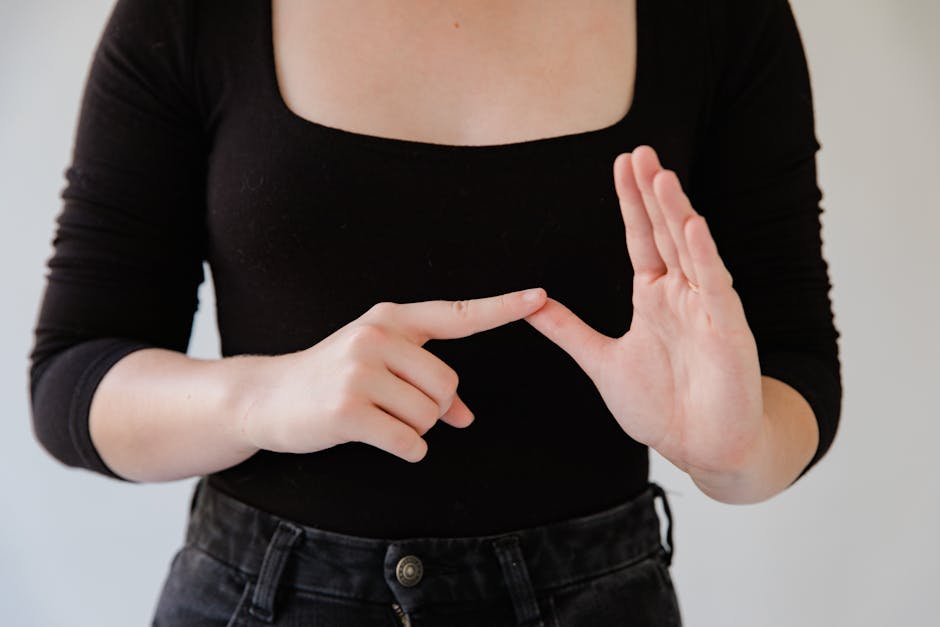
The sign for “cabbage” and “cauliflower” in NZSL is an important part of everyday vocabulary, especially in discussions about food and cooking. It reflects the cultural significance of fresh produce in New Zealand cuisine. This sign is commonly used in markets, cooking classes, and community gatherings where food is shared and enjoyed.
Table of Contents
How to Sign “Cabbage, CauliflowerkāPeti, KareparāOanoun” in NZSL
- Start with your dominant hand in a flat handshape (like a “B” handshape) with your fingers together.
- Place your hand palm down near your chest, representing the top of the cabbage or cauliflower.
- Make a small circular motion with your hand, as if you are mimicking the round shape of the vegetable.
- Maintain a neutral facial expression or smile, showing that you are discussing something pleasant.
Common Mistakes
- Confusing the sign with similar vegetables like “broccoli” due to similar hand movements.
- Using a loose handshape instead of the flat “B” handshape, which can change the meaning.
- Not using facial expressions to convey the context or emotion behind the sign.
NZSL vs ASL
In NZSL, the sign for “cabbage” involves a flat handshape and a circular motion, while in ASL, the sign is made by using a different handshape and movement. This highlights the distinct nature of NZSL, which draws influences from British Sign Language, but also incorporates unique signs and features relevant to New Zealand culture.
Related Signs
- Broccoli – A sign for the green vegetable often used in cooking.
- Lettuce – This sign represents another leafy green commonly found in salads.
- Vegetable – A general sign for all types of vegetables.
- Fruit – A sign for various types of fruits.
Frequently Asked Questions
Can I use this sign in a sentence?
Yes! For example, you can say “I like cabbage” by signing “I” followed by the sign for “like” and then “cabbage.”
Are there regional variations of this sign in NZ?
Most regions use the same sign, but some local communities may have their own variations based on cultural influences.
What is a similar sign to “cabbage”?
The sign for “broccoli” is similar in handshape but has a different movement to represent its unique shape.
What are some tips for learning this sign?
Practice in front of a mirror to ensure your handshape and movements are correct, and watch videos of native signers performing the sign.
Can I use this sign when talking about cooking?
Absolutely! You can incorporate this sign into cooking conversations, such as when discussing ingredients or recipes.
What if I forget the sign during a conversation?
It’s okay! If you forget, you can describe the vegetable or use gestures until you remember the sign.
Practice This Sign
Try signing Cabbage, CauliflowerkāPeti, KareparāOanoun with your camera and get AI coaching on your handshape, movement, and location.
Free · No signup required