
Cable Car in New Zealand Sign Language (NZSL)
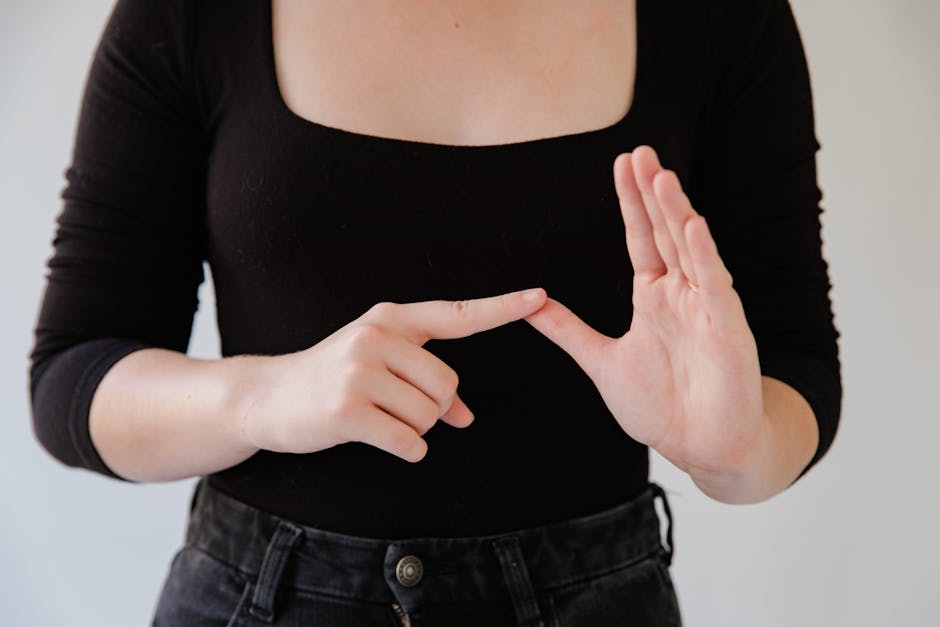
The sign “cable carfunicularmotokā tauranoun” refers to a cable car or funicular system, which is a popular mode of transport in some scenic areas of New Zealand. This sign is often used in discussions about travel, tourism, and local attractions, especially in cities like Wellington or Queenstown where these forms of transport are prevalent.
Table of Contents
How to Sign “Cable Carfunicularmotokā Tauranoun” in NZSL
- Start with your dominant hand in a “C” shape, representing the shape of the cable car.
- Position your hand in front of your body, at about waist height, palm facing towards you.
- Move your hand forward slightly as if simulating the cable car moving along a track.
- While moving your hand, use facial expressions to convey excitement or interest, as this adds context to your sign.
- Finish the sign by holding the final position for a moment, then return your hand to the starting position.
Common Mistakes
- Some learners may forget to use facial expressions, which are vital for conveying emotion in NZSL.
- Incorrect handshape—using a flat hand instead of a “C” shape can change the meaning.
- Moving the hand too quickly can make the sign unclear; maintaining a steady pace is key.
NZSL vs ASL
In NZSL, the sign for “cable car” uses a specific handshape that reflects local linguistic features and cultural context. In contrast, ASL may use a different handshape and movement, reflecting its own unique linguistic structure. These differences highlight the rich diversity between sign languages.
Related Signs
- Cable – A sign representing cables in general.
- Car – The sign for automobile, often used in conjunction with transportation signs.
- Mountain – Useful when discussing scenic locations where cable cars are found.
- Travel – A related concept when discussing transportation options.
- Tourism – Often used when talking about attractions like cable cars.
Frequently Asked Questions
How can I use “cable carfunicularmotokā tauranoun” in a sentence?
You might say, “I took the cable car to the top of the mountain,” which would be signed as “I cable car mountain top go.”
Are there any regional variations for this sign in New Zealand?
While the sign is generally understood across NZ, some regions may have slight variations in movement or handshape based on local dialects.
Is there a similar sign in ASL?
Yes, ASL has its own sign for “cable car,” but it may differ in handshape and movement from NZSL.
What learning tips do you recommend for mastering this sign?
Practice in front of a mirror to see your handshape and facial expressions. Watching video demonstrations can also be very helpful!
Can I use this sign in formal settings?
Yes, this sign is appropriate for both casual and formal conversations about transport and tourism in New Zealand.
Are there signs related to public transport?
Yes, signs such as “bus,” “train,” and “taxi” can also be useful when discussing public transport options.
Practice This Sign
Try signing Cable Carfunicularmotokā Tauranoun with your camera and get AI coaching on your handshape, movement, and location.
Free · No signup required