
It’s Okay in Sign Language (ASL)
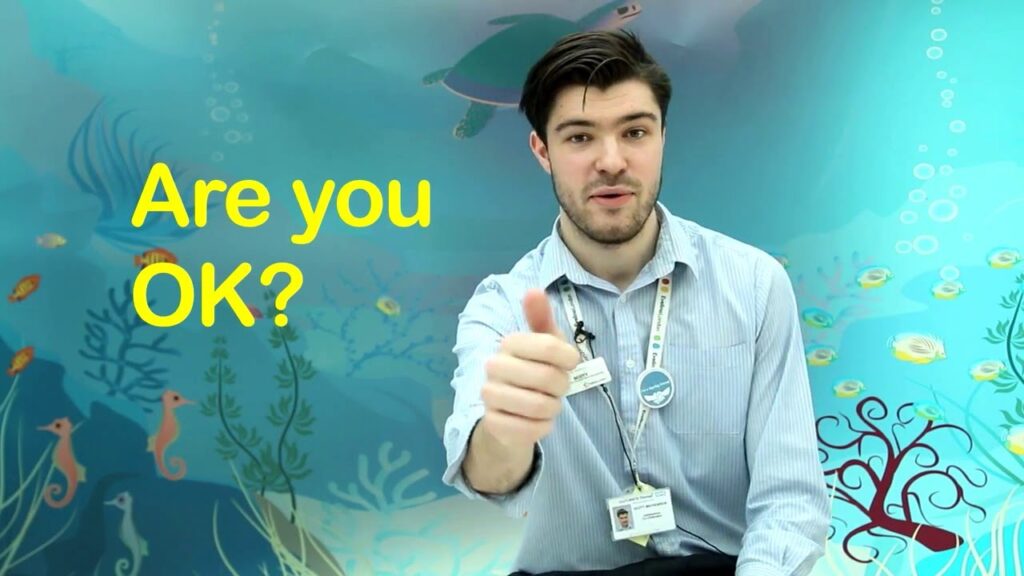
“It’s Okay” is a reassuring phrase often used in conversation to express that a situation or action is acceptable or to offer comfort. This sign can convey understanding, permission, or a sense of calm in various contexts. It is a versatile expression, found in both casual and formal settings among those who use American Sign Language (ASL).
[VIDEO_PLACEHOLDER]
Table of Contents
Forming the sign
- Handshape: Start with your dominant hand in the “O” handshape. This means your fingers are curled into a fist while your thumb touches the tips of your fingers.
- Location: Position your “O” hand near your chin or chest, which is the typical signing area for facial expressions.
- Movement: Gently move your hand away from your face, extending it outward. The motion should be smooth and relaxed, suggesting reassurance.
- Non-manual signals: Pair the sign with an appropriate facial expression, such as a slight smile or nod. This adds warmth and reinforces the meaning of comfort and acceptance.
The sign is simple yet effective in conveying a sense of ease. “It’s Okay” is often used in response to a concern or to indicate that things are fine. The non-manual signals are crucial in ASL, as they can change the meaning completely. For example, a frown while signing may shift the message to something more negative.
When and how it’s used
“It’s Okay” is appropriate in various contexts, such as reassuring a friend after a mistake or indicating that a situation is acceptable. It can be used in conversations about plans, emotions, or to diffuse tension. For example, if someone apologizes for being late, you might respond with “It’s Okay” to show understanding.
Conversational variations
There are several ways to express “It’s Okay” in ASL, depending on the situation. You may use a more emphatic version by adding a nod while signing, or you can combine it with other signs like “thank you” or “no problem” for added nuance. Understanding the context and relationship with the person you’re communicating with will guide your choice of expression.
Signs related to “It’s Okay”
Explore these related signs that can enhance your communication:
- Okay – A simpler version that can be used interchangeably.
- Thank you – Often used to express gratitude along with reassurance.
- No problem – Used similarly to indicate that everything is fine.
- Sorry – Can be paired with “It’s Okay” to convey forgiveness.
A learner’s tip
When learning to sign “It’s Okay,” practice in front of a mirror to observe your facial expressions and hand movements. The effectiveness of this sign relies not only on the handshape and movement but also on how you convey emotion through your face. Pay attention to how native signers use non-manual signals in conversation to ensure your signing feels natural and engaging.
FAQ
What does “It’s Okay” mean in ASL?
“It’s Okay” is used to indicate that something is acceptable or to reassure someone that a situation is fine.
Can “It’s Okay” be used in formal settings?
Yes, it can be used in both casual and formal contexts, depending on the tone and accompanying facial expressions.
How does facial expression affect the meaning of this sign?
Facial expressions enhance the meaning, conveying warmth and reassurance. A smile can make the sign feel more comforting, while a frown may suggest the opposite.
Is “It’s Okay” similar to other phrases in ASL?
Yes, it is often used alongside other phrases such as “thank you” or “no problem” to communicate understanding and support.
How can I practice this sign effectively?
Practicing in front of a mirror helps you see your hand movements and facial expressions. Additionally, try using the sign in real conversations with Deaf individuals.
Practice ASL Signs
Use your camera to practice signs and get real-time AI feedback on your technique.
Free · No signup required