
Ball (Māori: pōro, paoro) in New Zealand Sign Language (NZSL)
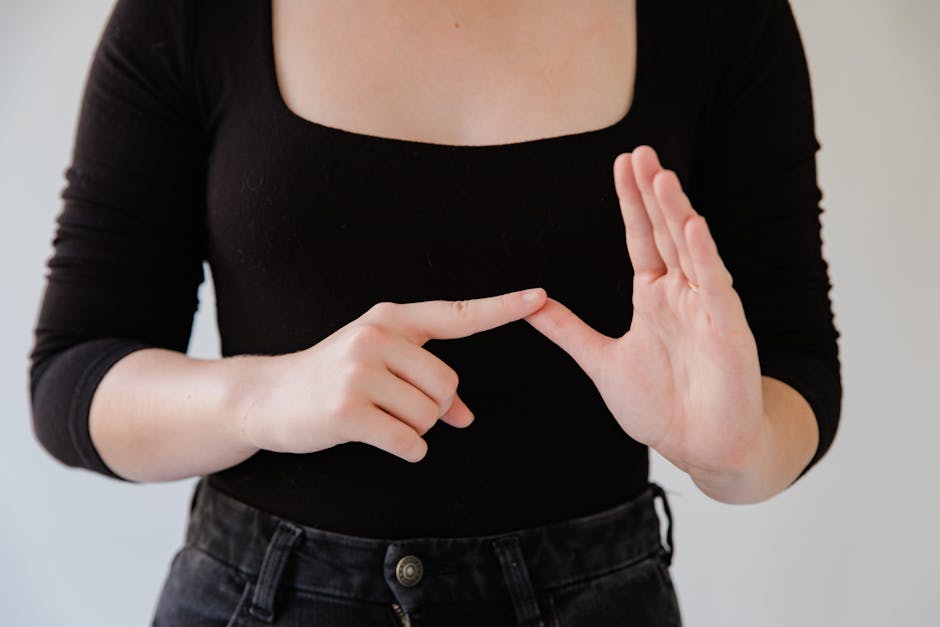
In New Zealand Sign Language (NZSL), “ballpōro, paoronoun” denotes a ball, which is often referenced in contexts such as sports, play, or when describing objects. Members of the Deaf community commonly use this term during conversations about activities that involve balls, including soccer, basketball, or games with children.
Table of Contents
How to Sign “BallpōRo, Paoronoun” in NZSL
- Begin with your dominant hand in a fist shape, representing the ball.
- Position your hand in front of your chest, with the palm facing towards you.
- Move your hand slightly forward and down, as if bouncing the ball on the ground.
- Maintain a neutral facial expression or a slight smile to convey a positive context.
Common Mistakes
- Using flat hands instead of a fist, which can confuse the sign with other meanings.
- Moving the hand too quickly, making it hard to distinguish the sign as “ball.”
- Forgetting to incorporate facial expressions, which are important for conveying context in NZSL.
NZSL vs ASL
In American Sign Language (ASL), the sign for “ball” is made with a different handshape and movement compared to NZSL. While ASL often uses a more exaggerated motion, NZSL tends to use a subtler approach, reflecting regional differences and cultural nuances in signs.
Related Signs
- (All Of) You – A sign used to address a group collectively.
- (Baby’S) Dummy – Refers to a pacifier, often used in childcare contexts.
- (Be) Careful – A warning sign for caution in various situations.
Frequently Asked Questions
How can I use “ballpōro” in a sentence?
You can say, “I want to play with my ballpōro,” by signing “I” (pointing to yourself), followed by “want” (a gesture showing desire), then “play” (moving your hands as if playing), and finally “ballpōro.”
Are there regional variations for this sign in NZ?
While “ballpōro” is widely understood, some regional variations may exist, particularly in rural vs urban settings. It’s good to learn from local Deaf peers.
What are some signs similar to “ballpōro”?
Signs like “toy” or “game” may be related in context. Learning them can enhance your conversation about play and recreational activities.
What tips do you have for learning this sign?
Practice in front of a mirror or with a friend. Watching videos of native signers can also help you grasp the nuances of the sign.
Is “ballpōro” used in formal settings?
Yes, “ballpōro” can be used in both casual and formal contexts, such as sports discussions or educational settings.
Can I use “ballpōro” for different types of balls?
Yes, “ballpōro” can refer to any type of ball, such as a soccer ball or basketball, depending on the context.
Practice This Sign
Try signing BallpōRo, Paoronoun with your camera and get AI coaching on your handshape, movement, and location.
Free · No signup required