
BSL in Health and Social Care – Essential Guide

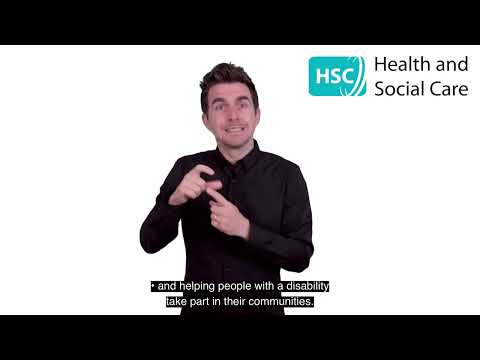
British Sign Language in health and social care is essential for providing equitable services to Deaf patients and service users. Deaf people face significant health disparities partly due to communication barriers in healthcare settings. Understanding BSL access requirements, knowing how to work with interpreters, and developing basic signing skills can transform the quality of care Deaf people receive.
Why BSL Matters in Healthcare
Research by SignHealth found that Deaf people experience poorer health outcomes than hearing people, with higher rates of undiagnosed conditions, delayed treatment, and mental health difficulties. Communication barriers are a primary driver of these disparities. When a Deaf patient cannot fully understand their diagnosis, treatment options, or medication instructions, their health is directly at risk.
Many Deaf people whose first language is BSL find written English challenging. English is effectively a second language for many BSL users, with different grammar and structure. Assuming a Deaf patient can simply read written instructions or communicate through notes often results in misunderstanding and poor health management.
Mental health services face particular challenges. Discussing emotional and psychological experiences requires nuanced language, and many Deaf people can only express these complexities fully in BSL. The shortage of BSL-fluent mental health professionals means many Deaf people cannot access therapy in their preferred language.
Social care services supporting Deaf people need staff who understand both BSL and Deaf culture. Care plans, safeguarding processes, and daily support activities all depend on clear communication. When social care is delivered without adequate BSL provision, Deaf service users’ autonomy and wellbeing are compromised.
Legal Requirements for BSL Access
The Equality Act 2010 requires health and social care providers to make reasonable adjustments for disabled people, including Deaf BSL users. This means providing BSL interpreters for medical appointments, ensuring information is available in BSL, and adapting communication methods to meet individual needs.
The NHS Accessible Information Standard (AIS) requires health and social care organisations to identify, record, and meet the communication needs of patients. For Deaf BSL users, this means their preferred communication method should be recorded in their medical records and acted upon at every interaction.
The BSL Act 2022 reinforces the government’s commitment to BSL accessibility. While the Act primarily applies to government departments, its principles are expected to influence NHS policy and practice. The BSL Advisory Board monitors how public services, including health services, accommodate BSL users.
Care Quality Commission (CQC) inspections assess how health and social care providers communicate with all patients, including those who use BSL. Providers who fail to offer adequate communication support risk regulatory action. This accountability framework encourages organisations to invest in BSL accessibility rather than treating it as optional.
Practice Makes Perfect
Test your sign language skills with our free practice app.
Working with BSL Interpreters in Health Settings
Booking qualified BSL interpreters for medical appointments is the provider’s responsibility, not the patient’s. Interpreters should be booked through reputable agencies that supply NRCPD-registered professionals. Never ask a Deaf patient’s family member, especially a child, to interpret during medical consultations.
When working with an interpreter, speak directly to the Deaf patient, not to the interpreter. Maintain eye contact with the patient and use normal speech patterns. The interpreter will translate everything you say into BSL and voice the patient’s signed responses. Allow slightly more time for interpreted appointments, as the translation process adds to consultation length.
Video Relay Interpreting (VRI) provides remote BSL interpretation via video link when an in-person interpreter isn’t available. While VRI is useful for routine appointments, face-to-face interpreters are preferable for complex consultations, procedures, or sensitive discussions where the physical presence of an interpreter supports clearer communication.
Confidentiality applies to interpreters just as it does to all healthcare staff. Professional NRCPD-registered interpreters are bound by a code of conduct that includes strict confidentiality requirements. Deaf patients can trust that their medical information will be treated with the same discretion as any other patient’s.
BSL Training for Health and Social Care Staff
Deaf awareness training should be standard for all health and social care staff. Understanding how to attract a Deaf person’s attention, basic communication strategies, and cultural awareness significantly improve initial interactions. A simple wave or gentle tap on the shoulder to gain attention replaces calling a patient’s name — which they won’t hear.
Basic BSL training enables staff to conduct simple exchanges without an interpreter. Learning signs for common healthcare terms, greetings, and directions helps Deaf patients feel welcomed and reduces anxiety. Even basic signing demonstrates respect for the patient’s language and builds trust.
Some health trusts and councils fund BSL qualifications for staff in patient-facing roles. Signature Level 1 and Level 2 courses equip healthcare workers with enough BSL for routine interactions, while specialist health and social care BSL courses cover medical vocabulary and sensitive communication scenarios.
Champions or link workers with BSL skills can transform a department’s accessibility. Having at least one staff member with BSL competency in each clinical area provides a go-to person for Deaf patient interactions, interpreter liaison, and staff guidance on Deaf awareness.
Improving Deaf Patient Experience
Record patients’ communication preferences prominently in their records. When a Deaf BSL user’s needs are flagged clearly, staff at every touchpoint can prepare appropriately. This prevents the repeated frustration of Deaf patients having to explain their communication needs at every visit.
Provide information in BSL video format alongside written materials. Health information videos in BSL, covering topics from medication management to surgical preparation, ensure Deaf patients have equal access to the information that hearing patients receive verbally. Several NHS trusts have developed BSL video libraries for common procedures and conditions.
Consider the physical environment. Deaf patients need well-lit rooms to see the interpreter clearly, minimal background noise that might interfere with hearing aid users, and visual alert systems for waiting rooms. Simple environmental adjustments make the healthcare experience more comfortable for Deaf patients.
Seek feedback from Deaf patients and local Deaf organisations. The best way to improve services is to ask Deaf people what works and what doesn’t. Regular engagement with the Deaf community through patient forums, feedback surveys in BSL, and partnerships with Deaf charities keeps services responsive to real needs.
Related Articles
Practice ASL Signs
Use your camera to practice signs and get real-time AI feedback on your technique.
Free · No signup required