
Tallness in Australian Sign Language (Auslan)
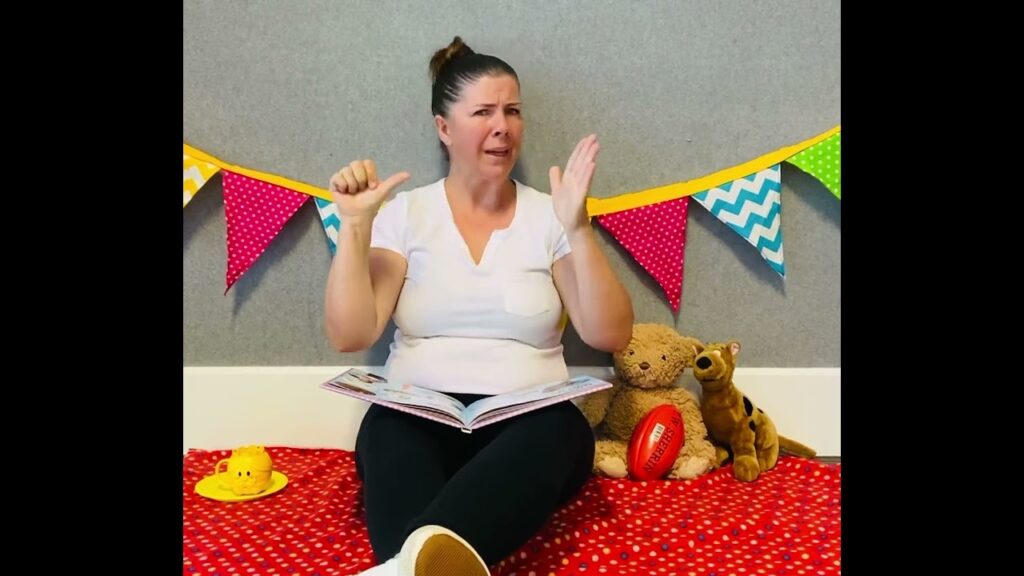
The sign for “tallness in Auslan” is used to describe the height of a person or object, emphasizing their stature. It’s often employed in conversations about physical characteristics, comparing heights, or when discussing buildings and trees. This sign offers a visual representation of height, making it easy to convey this concept in a lively way.
How to Sign “Tallness”
- Start with your dominant hand in a flat handshape (like the letter “B”) with your palm facing inward.
- Position your hand at the level of your head to represent the height you want to convey.
- Slowly raise your hand upward, extending it to show how tall something is. Maintain a straight arm during this movement.
- Use facial expressions to emphasize the height, perhaps raising your eyebrows in surprise or widening your eyes to convey that something is particularly tall.
Common Mistakes
- Some learners may forget to use facial expressions, which are vital in ASL for conveying emotions and emphasis.
- Raising the hand too quickly can lead to a misunderstanding of the height being described. Slow, deliberate movements are key.
- Using an incorrect handshape, such as a fist instead of the flat hand, can lead to confusion about the intended meaning.
Related Signs
- 1 – The sign for “one,” often used in counting or indicating quantity.
- 10 – Represents the number ten, useful in various contexts including counting.
- 100 – Indicates the number one hundred, often used in discussions about amounts or statistics.
- 12 – The sign for the number twelve, which can come in handy when discussing age or quantity.
- 15 – Represents the number fifteen, useful in conversations involving numbers.
Frequently Asked Questions
How can I use “tallness in Auslan” in a sentence?
You might say, “The tree is tall,” by using the sign for “tree” followed by the sign for tallness to indicate its height.
Are there regional variations in this sign?
While the sign is generally consistent, some regions may have slight variations in movement or handshape based on local dialects.
What are some similar signs to “tallness”?
Similar signs include “short” which indicates lesser height, and “height” which is a more general term for vertical measurement.
How does “tallness” compare to BSL?
In BSL, the sign for tallness may look different, showcasing the unique structures and signs of each language, though the concept remains the same.
Do you have any teaching tips for this sign?
Encourage learners to practice in front of a mirror to refine their movements and facial expressions, enhancing their overall communication.
Practice This Sign
Try signing Tallness In Auslan with your camera and get AI coaching on your handshape, movement, and location.
Free · No signup required