
Tally in Australian Sign Language (Auslan)
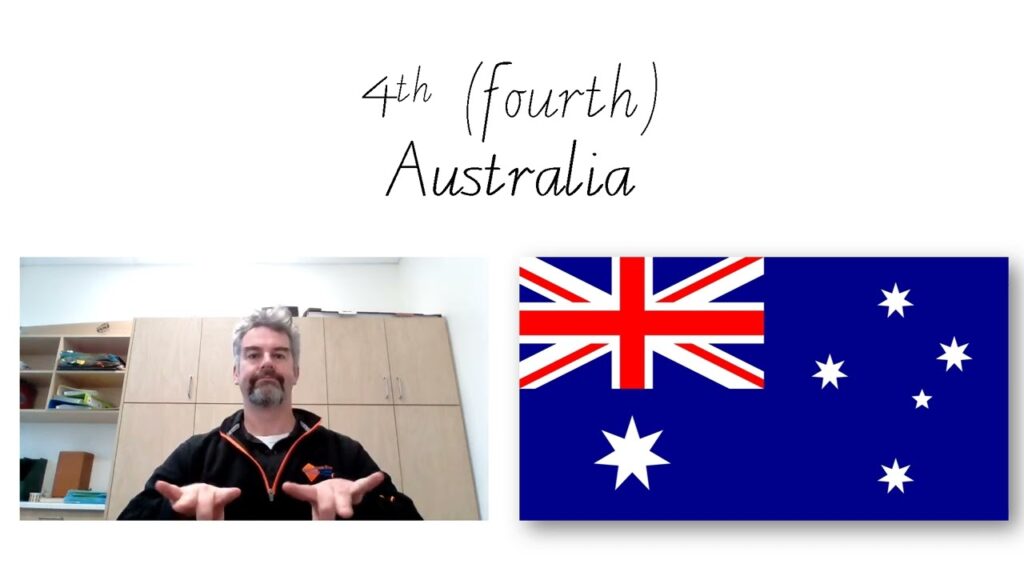
The sign for “tally” in Auslan represents counting or keeping a score, often used in contexts where you need to keep track of numbers or scores, such as games or tallying votes. This sign can be particularly useful in classrooms, meetings, and social gatherings where numbers are frequently discussed.
Table of Contents
How to Sign “Tally”

- Start with your dominant hand in a flat handshape (palm facing down).
- Position your hand in front of your body at about chest height.
- With your other hand, form a fist and place it on top of the flat hand.
- Now, use your dominant hand to tap your flat hand with the fist above it, as if you are counting or keeping score.
- Maintain a focused expression, indicating concentration or seriousness about the tallying process.
Common Mistakes
- Using the wrong handshape—some learners might mistakenly use a curved hand instead of a flat hand.
- Not maintaining the correct hand position—ensure your dominant hand stays at chest height.
- Failing to use appropriate facial expressions, which can convey the importance of the tallying.
Related Signs
- 1 – The sign for the number one.
- 10 – The sign for the number ten.
- 100 – The sign for the number one hundred.
- 11 – The sign for the number eleven.
- 12 – The sign for the number twelve.
Using “Tally” in Everyday Conversations
The sign “Tally” can be seamlessly integrated into daily conversations, especially in contexts that involve counting, tracking scores, or keeping a record. Here are a few example sentences where “Tally” might come up naturally:
- Situation: Discussing a game score
Sign Order: “We (pointing to a group) TALLY score (sign for score) game (sign for game) last night.” - Situation: Keeping track of attendance in a meeting
Sign Order: “I TALLY people (sign for people) in meeting (sign for meeting) today.” - Situation: Counting participants in a workshop
Sign Order: “We TALLY number (sign for number) participants (sign for participants) for workshop (sign for workshop).”
Cultural Notes
The sign “Tally” holds significance within the Australian Deaf community, reflecting the importance of counting and tracking in social and educational contexts. It often comes up in settings where participation and engagement are measured, such as community events or workshops. Members of the Deaf community may use “Tally” to foster inclusivity by keeping track of attendees or participants in activities.
Variations in sign usage can occur between northern and southern dialects of Auslan. While the sign itself remains largely the same, the surrounding context and the specific vocabulary used may differ slightly. Being aware of these variations can enhance communication and understanding among members from different regions.
Tips for Learning This Sign
Practicing the sign “Tally” can be both fun and effective. Here are some concrete ways to enhance your learning experience:
- Mirror Practice: Stand in front of a mirror and practice the sign while watching your own movements. This helps ensure your hand shapes and movements are clear.
- Non-Manual Features: Pay attention to facial expressions and body language when signing “Tally.” Non-manual features add context and emotion to the sign, making it more expressive.
- Short Signed Sentences: Incorporate “Tally” into simple signed sentences during practice. This will help you remember the sign better and understand its usage in context.
Consider finding a practice partner who is also learning Auslan. Practicing together can reinforce your skills and create a supportive learning environment.
Frequently Asked Questions
How can I use “tally” in a sentence?
You might say, “Let’s tally the votes now,” using the sign to indicate the action of counting.
Are there regional variations of the sign?
While the basic sign remains consistent, some regions may have slight variations in handshape or movement.
What are similar signs to “tally”?
Related signs include number signs like 1 and 10, which can be used in conjunction with tallying.
How does this sign compare to BSL?
In British Sign Language (BSL), the sign for counting may differ in handshape and movement, showcasing the unique aspects of each sign language.
What are some teaching tips for this sign?
Practice with real-world examples, such as counting items or scores in a game, to reinforce the sign’s meaning and usage.
Practice This Sign
Try signing Tally In Auslan with your camera and get AI coaching on your handshape, movement, and location.
Free · No signup required