
Tan in Australian Sign Language (Auslan)
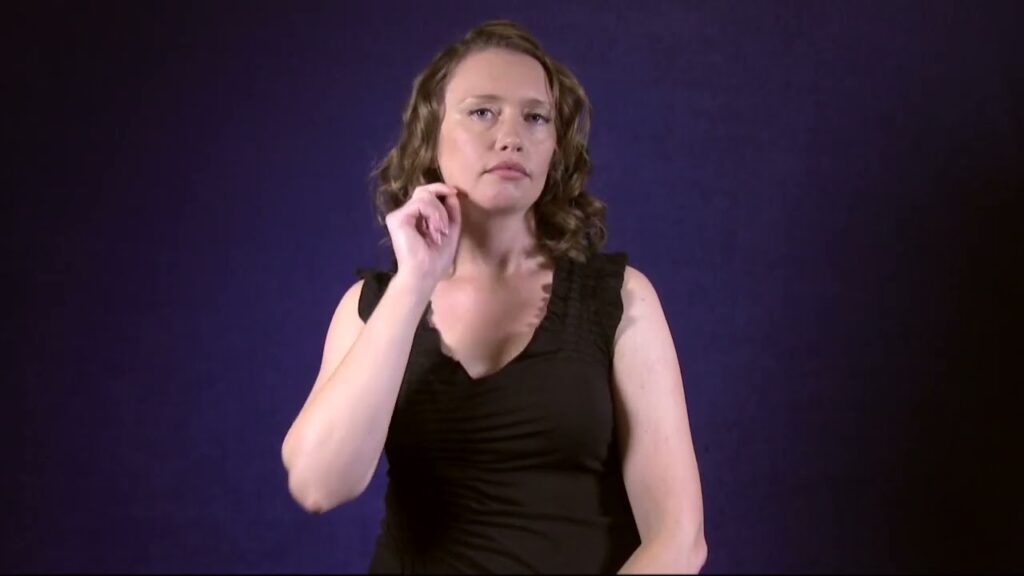
The sign for “tan” in Auslan refers to the color change in skin tone that occurs from sun exposure. It’s commonly used in conversations about summer activities, vacations, or skin care. Understanding this sign can help you engage in discussions about outdoor experiences and personal care.
Table of Contents
How to Sign “Tan”

- Start with your dominant hand in a flat ‘B’ shape (palm down).
- Position your hand at the side of your face, near your cheek.
- Move your hand slightly away from your face while keeping the same shape, as if you are showing the color of your skin.
- Maintain a relaxed and casual facial expression to convey the context of discussing a tan.
Common Mistakes
- Some learners may use a fist instead of a flat hand; remember to keep your hand flat for clarity.
- Moving your hand too far away can confuse the meaning; keep the motion subtle and close to the face.
- Not using an appropriate facial expression can make your signing less effective; ensure your expression reflects the topic.
Related Signs
- Sun – The sign for the sun, often used in discussions about weather.
- Beach – This sign represents the beach, commonly associated with getting a tan.
- Summer – Signifying the season when people often tan.
- Skin – Related to discussions about skin tone and care.
Using “Tan” in Everyday Conversations
The sign “Tan” can seamlessly fit into various everyday conversations, particularly when discussing skin tone, aesthetics, or personal preferences. Here are a few example sentences where “Tan” might come up:
- Situation: Talking about a recent holiday at the beach.
- Example: “I went to the beach, I got tan.” (Gloss: “I BEACH WENT, TAN I GOT.”)
- Situation: Complimenting a friend’s new look.
- Example: “You look great with a tan!” (Gloss: “YOU GREAT LOOK TAN WITH.”)
- Situation: Discussing preferences for makeup.
- Example: “I prefer tan foundation.” (Gloss: “I FOUNDATION TAN PREFER.”)
Using “Tan” in these contexts not only makes the conversation flow naturally but also connects with shared experiences and cultural references.
Cultural Notes
The use of the sign “Tan” within the Australian Deaf community often reflects a broader cultural appreciation for diversity in skin tones. Many Deaf Australians celebrate the uniqueness of their backgrounds, and terms like “tan” can signify pride in one’s appearance. In different regions, you may find slight variations in how the sign is produced, reflecting the northern and southern dialect variations within Auslan. For example, some users in urban areas might adapt the sign to incorporate more facial expression or body orientation, while others in rural settings may have a more straightforward approach. Engaging with local Deaf communities can provide insight into these nuances.
Tips for Learning This Sign
Practicing the sign “Tan” and ensuring it sticks in your memory can be both fun and effective. Here are some tips to help you learn:
- Mirror Practice: Stand in front of a mirror and practice signing “Tan.” This helps you observe your own movements and ensure you’re signing accurately.
- Watch for Non-Manual Features: Pay attention to facial expressions and body language while signing. Non-manual features can enhance the meaning of the sign and help you convey the right emotion.
- Use in Context: Try to incorporate “Tan” into short signed sentences during conversations with friends or in practice groups. The more you use it, the more natural it will feel.
By engaging with the sign in these ways, you’ll find it easier to remember and use “Tan” confidently in conversations!
Frequently Asked Questions
How can I use “tan” in a sentence?
You can say, “I want to tan at the beach” by signing “I” + “want” + “tan” + “at” + “beach”.
Are there regional variations for the sign?
Yes, while the basic sign remains the same, some regions might have slight variations in movement or facial expressions.
What are some similar signs?
Similar signs include “dark” and “light,” which also describe skin tones.
How does this sign compare to BSL?
In BSL, the sign for “tan” may differ slightly in handshape and movement, reflecting regional signing differences.
What are some tips for teaching this sign?
Encourage students to practice in front of a mirror and focus on facial expressions to convey meaning effectively.
Practice This Sign
Try signing Tan In Auslan with your camera and get AI coaching on your handshape, movement, and location.
Free · No signup required