
Tambourine in Australian Sign Language (Auslan)
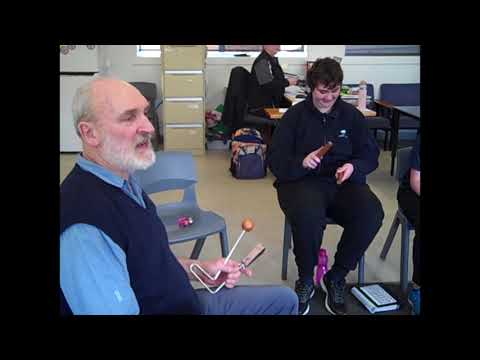
The sign for “tambourine” in Auslan represents a musical instrument often used in various genres of music. It’s commonly used during discussions about music, performances, or when introducing instruments in educational settings. This sign captures the essence of the tambourine and is a fun addition to any musical conversation.
Table of Contents
How to Sign “Tambourine”
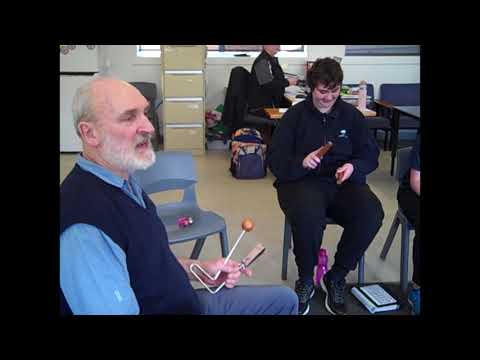
- Start with your dominant hand in a flat handshape (like a flattened “O”).
- Hold your hand in front of your body, about chest height.
- Make a circular motion with your hand, as if you are shaking the tambourine.
- Maintain a joyful facial expression, reflecting the lively nature of music.
Common Mistakes
- Forgetting to use a circular motion, which can make the sign look unclear or incomplete.
- Using a fist instead of a flat handshape, which does not accurately represent the tambourine.
- Neglecting facial expressions, which are crucial for conveying emotion in ASL.
Related Signs
- 1 – The sign for the number one.
- 1 Dollar – Signifying one dollar in financial contexts.
- 10 – The sign for the number ten.
- 100 – Representing one hundred.
- 11 – The sign for the number eleven.
Using “Tambourine” in Everyday Conversations
The sign “Tambourine” can pop up in various everyday conversations, especially when discussing music, instruments, or performances. Here are a few examples of how to incorporate it naturally:
- Example 1: “I played the tambourine at the school concert.”
(SIGN: I SCHOOL CONCERT TAMBORINE PLAYED) - Example 2: “Do you have a tambourine for the music class?”
(SIGN: YOU HAVE MUSIC CLASS TAMBORINE?) - Example 3: “We need a tambourine for our band.”
(SIGN: WE BAND TAMBORINE NEED)
These examples show how the sign can be used in discussions about musical activities or events, making it relevant in educational and social contexts.
Cultural Notes
The sign for “Tambourine” has a rich cultural context within the Australian Deaf community. Music plays an integral role in many Deaf social events, such as concerts, festivals, and community gatherings. The tambourine often features in group performances, highlighting rhythm and participation.
In some regions, there may be slight variations in how the sign is expressed. For example, northern dialects of Auslan may incorporate a more exaggerated motion than southern dialects. These subtle changes reflect local preferences in signing styles and community influences, making it important to be attentive to how others use the sign in different contexts.
Tips for Learning This Sign
To effectively learn and remember the sign for “Tambourine,” consider the following tips:
- Mirror Practice: Stand in front of a mirror while practicing the sign. This helps ensure your movements are clear and accurate.
- Observe Non-Manual Features: Pay attention to facial expressions and body posture while signing. These non-manual features add meaning and context to your communication.
- Use in Short Sentences: Incorporate the sign into simple phrases or sentences. This reinforces your memory and helps you become more comfortable using it in conversation.
Regular practice and engagement with the Deaf community will enhance your skills and confidence in using the sign “Tambourine.” Enjoy the process and have fun!
Frequently Asked Questions
How can I use “tambourine” in a sentence?
You might say, “I love the sound of the tambourine in that song,” while signing the word for tambourine.
Are there regional variations for this sign?
Some regions may have slight variations in handshape or movement, but the core concept remains the same.
What are similar signs to “tambourine”?
Related signs include those for other musical instruments, like guitar or drum, which may involve similar hand movements.
How does this sign compare to BSL?
In British Sign Language (BSL), the sign for tambourine may differ significantly, reflecting the unique aspects of each sign language.
What tips do you have for teaching this sign?
Encourage students to practice in a group setting, allowing them to see and mimic each other‘s movements and expressions.
Practice This Sign
Try signing Tambourine In Auslan with your camera and get AI coaching on your handshape, movement, and location.
Free · No signup required