
On Screen British Sign Language in Theory Test Explained

The option for on screen British sign language in theory test sessions is a vital accessibility provision that ensures Deaf and hard-of-hearing drivers can take the DVSA driving theory test on equal terms. BSL video clips of every question and answer option are available as a built-in feature of the test, and requesting this support is straightforward — but many eligible candidates don’t know it exists or how it works.
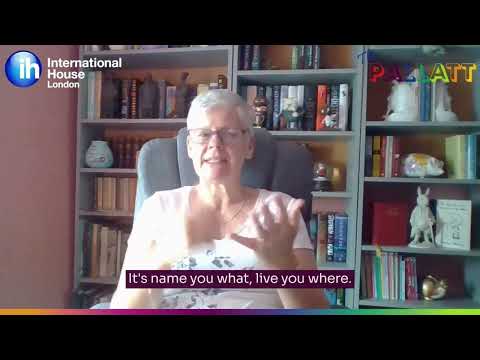
How BSL Works in the Theory Test
The DVSA (Driver and Vehicle Standards Agency) provides BSL video translations of all questions and answer options in the multiple-choice section of the driving theory test. When you take the test with BSL support, each question appears on screen in written English alongside a BSL video clip showing the question signed by a qualified BSL interpreter. You can replay the video as many times as you need.
The BSL videos cover every question in the question bank, not just a selection. Both the multiple-choice questions and the hazard perception test instructions are available with BSL support. The hazard perception clips themselves don’t require BSL translation since they’re video-based visual tasks, but the instructions and practice clips are signed to ensure you understand what’s required.
You take the test at a standard DVSA theory test centre alongside other candidates. The BSL support is delivered through the test computer’s screen and headphones (for any accompanying audio), so no live interpreter is present in the room. This approach provides consistent, high-quality BSL translation while maintaining the same test conditions and security as other candidates experience.
Extra time is automatically provided when you use the BSL option. Watching BSL video clips for each question naturally takes longer than reading text alone, and the DVSA accounts for this by extending your test duration. You won’t feel rushed — the additional time is generous enough to allow comfortable viewing and re-viewing of any questions you want to check.
How to Request BSL for Your Theory Test
Request BSL support when you book your theory test, not on the day. You can book the test online through the GOV.UK website or by phone. During the booking process, you’ll be asked about any special requirements or adjustments. Select the BSL option at this stage so the test centre can ensure the BSL version of the test software is ready for your appointment.
If you’ve already booked without requesting BSL, you can add the requirement by contacting the DVSA customer service team. Call or email to update your booking with the BSL support request. It’s best to do this well before your test date to ensure the adjustment is confirmed and the test centre is prepared.
You don’t need to provide evidence of deafness or BSL usage to request this support. The DVSA makes BSL support available to anyone who requests it, recognising that self-identification is the appropriate way to determine who benefits from this accessibility feature. You won’t be asked for audiograms, medical letters, or proof of BSL qualification.
Practice Makes Perfect
Test your sign language skills with our free practice app.
On test day, arrive at the test centre and check in as normal. Inform the reception staff that you’ve booked with BSL support, and they’ll direct you to a station set up with the BSL version of the test. The staff at DVSA test centres are trained to support candidates with accessibility requirements, so don’t hesitate to ask questions or request clarification about the process.
Preparing for the Theory Test with BSL
Study the Highway Code using BSL resources where available. Some BSL educators and Deaf organisations have created BSL-translated Highway Code content on YouTube and other platforms. These resources present road rules and theory test topics in BSL, making revision more accessible for learners who process information more effectively in their first language than in written English.
Practice with official DVSA theory test revision materials. The official DVSA apps and practice tests let you familiarise yourself with the question format, content areas, and difficulty level. While the practice materials may not include BSL videos, understanding the questions in written form helps you prepare for the content you’ll encounter in the signed version on test day.
Focus on understanding driving concepts rather than memorising exact question wording. The BSL translations convey the meaning of questions, which may be expressed differently in BSL than in written English due to the languages’ different grammar structures. If you understand the underlying road safety concepts, you’ll answer correctly regardless of how the question is phrased or signed.
For the hazard perception section, practice with the official DVSA hazard perception practice clips. This section is entirely visual — you watch video clips of driving situations and click when you spot developing hazards. Deafness doesn’t affect performance on this section since it relies on visual observation, not auditory cues. The test design means Deaf candidates perform on equal terms in hazard perception.
Other Accessibility Options for Deaf Drivers
Beyond BSL video support, the DVSA offers additional accessibility features that may benefit Deaf and hard-of-hearing candidates. Voiceover (audio narration of questions) is available for candidates who prefer it, and extra time can be provided for various access needs. You can request multiple accessibility features simultaneously if that best meets your needs.
For the practical driving test, Deaf candidates can request a BSL interpreter to be present in the car to translate the examiner’s instructions. The interpreter sits in the back seat and signs the examiner’s directions, route instructions, and any other verbal communication. This ensures Deaf candidates receive the same information as hearing candidates throughout the practical test.
The DVSA has committed to improving accessibility across all its services. If you encounter barriers or have suggestions for improving the BSL provision in theory tests, providing feedback to the DVSA helps drive ongoing improvements. Deaf community organisations like the British Deaf Association can also advocate on behalf of individuals who experience access issues.
Driving is a predominantly visual activity, and Deaf drivers have an excellent safety record. Research consistently shows that deaf and hard-of-hearing drivers are not at increased risk on the roads. The theory test’s BSL provision ensures that the testing process doesn’t create artificial barriers for capable drivers. If you’re a Deaf or hard-of-hearing person considering learning to drive, the accessibility support available means the testing process should not be a deterrent.
Related Articles
Practice ASL Signs
Use your camera to practice signs and get real-time AI feedback on your technique.
Free · No signup required