
Sign Language in England – BSL History, Rights & Usage

Sign language in England has a history spanning centuries, from the earliest documented Deaf communities through to the landmark BSL Act 2022 that formally recognised British Sign Language as a language of England. Today, BSL is used by tens of thousands of Deaf and hearing people across England, supported by a growing infrastructure of courses, interpreters, and Deaf community organisations.
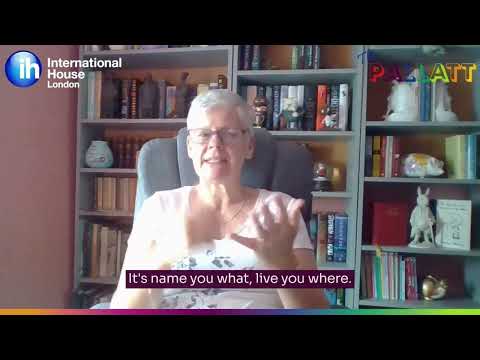
BSL in England: A Brief History
Deaf people in England have used sign language for as long as Deaf communities have existed, though the historical record becomes richer from the 18th century. The establishment of schools for deaf children — beginning with Thomas Braidwood’s methods spreading from Scotland to England — created institutional settings where sign language was used and transmitted. Schools in London, Manchester, Birmingham, and other cities each contributed to BSL’s development.
England’s Deaf schools produced distinct regional signing styles that persist today. A BSL user from London signs noticeably differently from one in Newcastle or Bristol — not just in accent but in specific vocabulary signs for common concepts like colours, days of the week, and numbers. These regional variations are a natural feature of any living language and reflect the geographic spread of Deaf communities across England.
The oralist period following the 1880 Milan Conference severely impacted BSL in English schools. Many deaf children were forbidden from signing in classrooms and punished for using sign language. BSL was driven out of formal education but survived through Deaf clubs, social gatherings, and the determination of Deaf people who continued signing in their personal lives despite institutional opposition.
Practice Makes Perfect
Test your sign language skills with our free practice app.
The resurgence of BSL in English education and public life began in the 1980s, accelerated by academic research recognising BSL as a genuine language, growing Deaf activism, and increased media visibility. Today, BSL has a presence in schools, universities, workplaces, and public life that would have been unimaginable a generation ago.
Legal Status and Rights
The BSL Act 2022 recognised BSL as a language of England, Wales, and Scotland. For the Deaf community in England, this represented the culmination of decades of campaigning. The Act requires the Secretary of State to publish guidance on BSL, report regularly on BSL-related government activity, and consult with the Deaf community on BSL policy. While primarily promotional, it establishes BSL’s legal status for the first time.
The Equality Act 2010 provides practical protections for BSL users in England. As deaf people are covered by disability discrimination law, employers, service providers, education institutions, and public bodies must make reasonable adjustments to ensure access — which frequently means providing BSL interpretation. This legal framework gives BSL users enforceable rights to communication access in many key areas of life.
Access to BSL interpretation in public services remains inconsistent across England. While the legal framework exists, practical availability of qualified interpreters varies significantly by region. Major cities generally have better interpreter availability than rural areas. The NHS, courts, police, and local authorities all have duties to provide communication support, but implementation quality and consistency remain ongoing concerns for the Deaf community.
Education policy in England continues to evolve regarding BSL. Campaigns for BSL to be offered as a GCSE option in all schools have gained significant political support. Currently, BSL qualifications through Signature are available but not integrated into the national curriculum in the same way as spoken foreign languages. Deaf children’s access to BSL in education also varies, with some receiving strong bilingual support and others receiving predominantly oral education.
Deaf Community Life Across England
England’s Deaf community is concentrated in major cities but present nationwide. London has the largest Deaf community, with multiple Deaf clubs, organisations, and social groups. Manchester, Birmingham, Bristol, Leeds, and Newcastle are other major centres of Deaf community life, each with established Deaf organisations, clubs, and cultural events.
Deaf clubs in England serve as cultural and social hubs where BSL is the default language. While the number of active Deaf clubs has declined in recent decades — partly due to changing social patterns and digital communication — those that remain provide vital community spaces. Many have adapted by offering a mix of in-person and online events to maintain community connection in the digital age.
Regional Deaf associations provide services, advocacy, and community support across England. These organisations — such as the Royal Association for Deaf people, Deaf Plus, and local Deaf societies — offer a range of services from information and advocacy to social activities and BSL courses. They’re valuable contact points for BSL learners seeking to connect with their local Deaf community.
Cultural events celebrating BSL and Deaf identity take place across England throughout the year. Deaffest in Wolverhampton, Deaf Day events in various cities, Sign Language Week activities, and Deaf theatre and arts performances provide opportunities for BSL learners to experience Deaf culture firsthand and engage with the community in meaningful, enjoyable contexts.
Learning BSL in England
BSL courses are widely available across England through colleges, adult education centres, Deaf organisations, and online providers. Signature-accredited courses at Levels 1 through 6 provide a structured pathway from beginner to professional interpreter level. Most areas have multiple course options, and the growth of online provision means geographic location is no longer a barrier to accessing quality BSL instruction.
Free and low-cost BSL learning options are available for those who can’t invest in formal courses. YouTube tutorials from Deaf educators, BSL SignBank for vocabulary reference, social media BSL content, and free community events provide substantial learning resources at no cost. Many libraries in England also stock BSL learning materials and host introductory BSL sessions.
Engaging with the English Deaf community accelerates learning dramatically. Attending local Deaf club events, Deaf social gatherings, and BSL practice groups provides the real-world interaction that develops genuine communicative fluency. The British Deaf Association and regional Deaf organisations can point you to events and groups in your area.
Workplace BSL learning is increasingly supported by English employers. The NHS, education sector, emergency services, local authorities, and many private companies offer BSL training to staff. Ask your employer whether BSL learning opportunities are available — you may be surprised to find that courses are funded or subsidised as part of equality and diversity initiatives. Every hearing person who learns BSL contributes to a more accessible England for Deaf people.
Related Articles
Practice ASL Signs
Use your camera to practice signs and get real-time AI feedback on your technique.
Free · No signup required