
How to Learn BSL UK – Courses, Resources & Qualifications

If you’re based in the UK and want to learn BSL, you’re in the best possible position. Britain has the most developed infrastructure for BSL education anywhere in the world, with nationally recognised qualifications, accredited courses across every region, a thriving Deaf community, and strong legal recognition of BSL as a language. Here’s how to learn BSL UK-wide, from your first sign to formal qualifications.
BSL Qualification Pathways in the UK
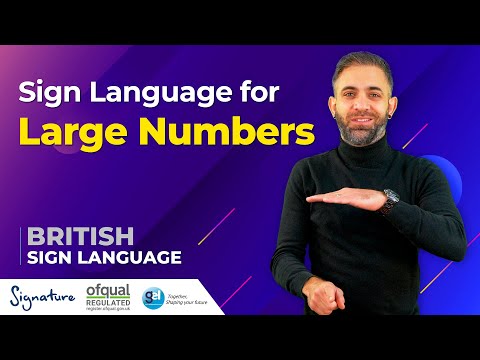
The UK has a formal BSL qualification framework managed by Signature, the leading awarding body for sign language qualifications. The pathway progresses from Level 1 (beginner) through Level 2 (intermediate), Level 3 (upper intermediate), and Levels 4 to 6 (professional interpreter training). Each level is nationally recognised and appears on the Regulated Qualifications Framework.
BSL Level 1 is the starting point for most learners and typically takes 20 to 30 weeks of weekly classes. You learn the manual alphabet, core vocabulary across everyday topics, basic grammar including question formation and sentence structure, and introductory Deaf cultural awareness. Assessment includes both receptive (understanding signed content) and productive (signing) components.
BSL Level 2 builds significantly on Level 1, introducing complex grammar features like classifiers, role shift, and advanced spatial referencing. It runs for a similar duration and covers broader topic areas including work, education, health, and current affairs. Many employers recognise Level 2 as evidence of functional BSL communication skills.
Since the BSL Act 2022, which recognised BSL as a language of England, Wales, and Scotland, there has been increased government attention to BSL provision. The Act requires the Department for Work and Pensions to publish guidance on BSL and has strengthened the case for BSL education funding, although the practical impact on course availability and funding is still developing.
Finding BSL Courses Near You
Local colleges and adult education centres are the most common providers of BSL courses across the UK. Most offer at least Level 1, with many also offering Level 2. Evening classes typically run once weekly, fitting around work schedules. Costs vary by region but expect £200 to £500 for a full Level 1 course, with some areas offering subsidised places for eligible learners.
Signature maintains a course finder on their website that lists accredited BSL courses across the UK. This is the most reliable way to find quality-assured provision in your area. Always verify that any course you’re considering is Signature-accredited, as non-accredited courses may not follow the national curriculum or lead to recognised qualifications.
Deaf organisations in your region often run their own BSL courses, frequently taught by Deaf tutors. These courses sometimes offer more affordable pricing than college provision and provide closer connection to the local Deaf community. Contact your regional Deaf association to ask about BSL courses in your area — they may know about options that don’t appear in general college prospectuses.
Practice Makes Perfect
Test your sign language skills with our free practice app.
Online BSL courses have become a genuine alternative for UK learners, especially those in rural areas or with scheduling constraints. Several UK-based providers now offer fully online Signature-accredited courses taught by Deaf tutors via live video. These courses lead to the same qualifications as in-person equivalents and have become a permanent part of the BSL education landscape since 2020.
Engaging with the UK Deaf Community
The UK has one of the most active and organised Deaf communities in the world. Deaf clubs exist in most cities and many towns, holding regular social events, quiz nights, workshops, and cultural activities. These clubs are the heart of local Deaf communities and most welcome learners who approach with respect and genuine interest in engaging.
The British Deaf Association (BDA) is the leading Deaf-led organisation in the UK, advocating for BSL rights and Deaf community interests. Their website provides resources for BSL learners, lists community events, and offers guidance on engaging respectfully with the Deaf community. Following the BDA on social media keeps you informed about BSL-related news and events across the country.
Regional Deaf associations operate across the UK, providing local services, social events, and often BSL courses. Whether you’re in Scotland, Wales, Northern Ireland, or any English region, there’s likely a Deaf association serving your area. These organisations can connect you with local Deaf clubs, practice groups, and community events that complement your formal BSL study.
BSL-interpreted cultural events are increasingly available across the UK. Theatres, comedy venues, museums, and festivals offer BSL-interpreted performances and tours. Attending these events exposes you to BSL used in diverse, engaging contexts while supporting the Deaf community’s access to cultural life. Many are listed on the websites of major arts organisations and Deaf cultural groups.
BSL Learning Resources Specific to the UK
BSL SignBank is the UK’s premier free online BSL dictionary, developed and maintained with input from the Deaf community. It provides video demonstrations of thousands of signs with information about regional variations — an essential reference tool for any UK-based learner. Bookmark it and use it daily to check and expand your vocabulary.
UK public libraries offer free access to BSL learning materials including books, DVDs, and sometimes online learning platforms. Many libraries also host BSL taster sessions and Deaf awareness events. Check your local library’s catalogue and events programme — the resources available at no cost may surprise you.
Workplace BSL learning opportunities are expanding across the UK. The NHS, local authorities, emergency services, and many private employers now offer BSL training to staff. Ask your employer’s HR or training department whether BSL learning is supported or funded. Some organisations cover the full cost of BSL Level 1 for employees whose roles involve public contact.
The National Deaf Children’s Society (NDCS) provides free BSL resources specifically for families with deaf children. If you’re learning BSL to communicate with a deaf child, NDCS offers family signing courses, online resources, and local support groups. Their provision fills a unique niche that general BSL courses don’t specifically address, and their family-focused approach makes learning feel relevant and immediately applicable.
Related Articles
Practice ASL Signs
Use your camera to practice signs and get real-time AI feedback on your technique.
Free · No signup required