
Process in New Zealand Sign Language (NZSL)
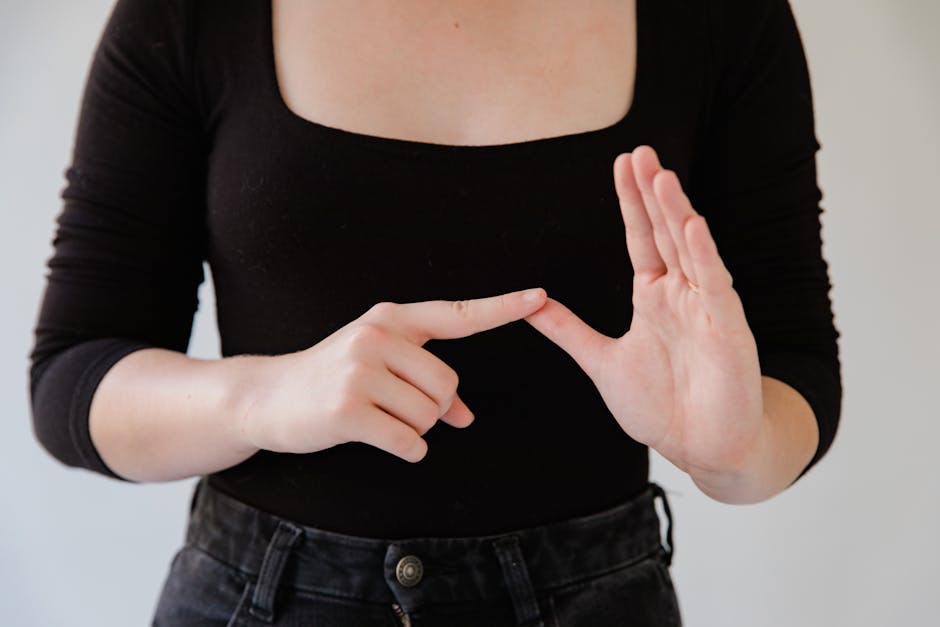
The NZSL sign for “process, procedure, protocol” (tikanga, tukanga) is commonly used in both formal and informal contexts within the Deaf community. It encompasses the idea of following specific steps or guidelines in various situations, reflecting the importance of structure and cultural practices in communication and daily life.
Table of Contents
How to Sign “Processprocedure, Protocoltikanga, Tukanganoun; Verb” in NZSL
- Start with both hands open in a ‘5’ shape, palms facing forward.
- Bring your hands together in front of your chest, then move them apart in a circular motion to indicate a flow or sequence.
- As you move your hands apart, maintain a neutral facial expression, but convey a sense of gradual progression.
- Finish the sign by bringing your hands back to the starting position, signifying completion.
Common Mistakes
One common mistake is using overly stiff hand movements, which can make the sign difficult to understand. Another error is not using facial expressions to convey the flow of the process, which can lead to a lack of clarity. Lastly, forgetting to maintain a consistent hand shape can also cause confusion.
NZSL vs ASL
In NZSL, the sign for “process” incorporates specific hand shapes and movements that may differ from ASL. While both languages convey similar concepts, the NZSL sign has unique nuances influenced by local culture and language structure, including te reo Māori elements.
Related Signs
- (All Of) You – A sign used to refer to a group of people.
- (Baby’s) Dummy – Refers to a pacifier used for infants.
- (Be) Careful – A sign to express caution.
- (Be) Passive – Indicates a non-active state or response.
Frequently Asked Questions
Can this sign be used in sentences?
Yes, you can use this sign to describe various processes in sentences, such as “The process of learning is important.”
Are there regional variations in this sign across New Zealand?
While the sign is generally consistent, some regional differences may exist in hand movements or facial expressions.
What are some similar signs in NZSL?
Related signs include “procedure” and “protocol,” which have similar motions but may differ slightly in hand shape.
What tips can help me learn this sign more effectively?
Practice in front of a mirror to check your hand shape and movement. Watching videos of fluent signers can also be beneficial.
Is it okay to use this sign in formal settings?
Yes, this sign is appropriate for both formal and informal contexts, especially when discussing guidelines or protocols.
How can I improve my facial expressions while signing?
Focus on the emotions or meanings behind what you are signing. Practicing in front of others or recording yourself can help you refine this skill.
Practice This Sign
Try signing Processprocedure, Protocoltikanga, Tukanganoun; Verb with your camera and get AI coaching on your handshape, movement, and location.
Free · No signup required