
Problem in New Zealand Sign Language (NZSL)
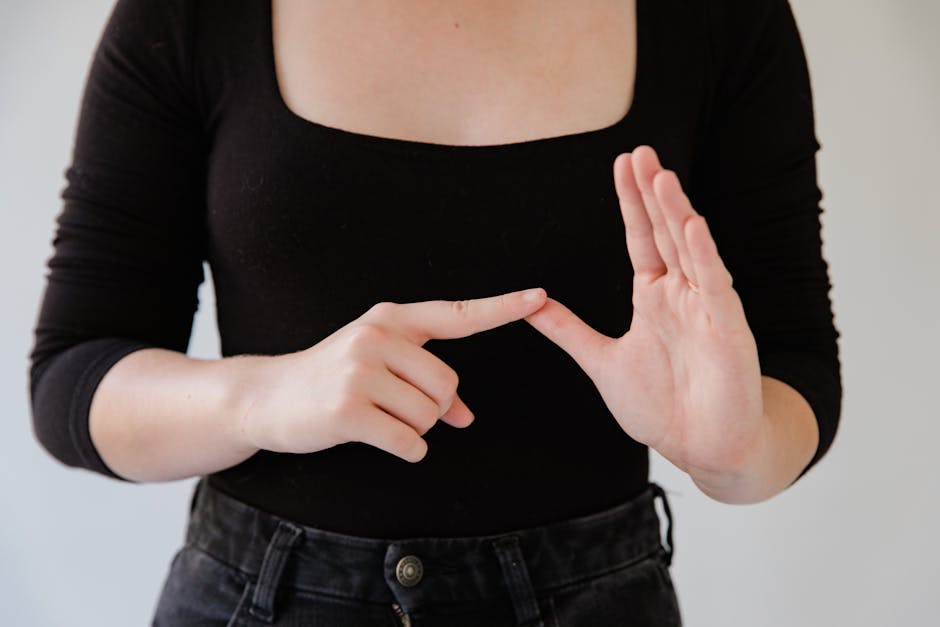
The sign “problemmate, rarurarunoun” in NZSL is used to describe someone who is a source of problems or difficulties, often used in a light-hearted or teasing manner within friendships. It reflects the close-knit and playful nature of relationships in the Deaf community, where humor and camaraderie are important. This sign can be particularly useful in casual conversations or storytelling.
Table of Contents
How to Sign “Problemmate, Rarurarunoun; Verb” in NZSL
- Start with your dominant hand in a flat handshape (like a “B” handshape) facing downwards.
- Position your hand near your forehead, with your fingers pointing outward, creating a visual representation of a “problem.”
- Move your hand forward slightly while also tilting it down to show the “mate” aspect, indicating a friendly relationship.
- Facial expressions are important; maintain a playful and light-hearted expression, reflecting the teasing nature of the sign.
Common Mistakes
- Using a flat handshape facing sideways instead of downwards, which can change the meaning.
- Neglecting facial expressions, which are crucial in NZSL to convey the tone of the sign.
- Over-exaggerating the hand movement, which can make the sign less clear and more confusing.
NZSL vs ASL
In ASL, the sign for “problemmate” may differ significantly in both handshape and movement. While NZSL incorporates cultural nuances and humor specific to the New Zealand Deaf community, ASL signs tend to be more direct and may not carry the same playful context found in NZSL.
Related Signs
- (All Of) You
- (Be) Careful
- (Be) Passive
- (Baby’S) Dummy
- (Be) Born, (Give) Birth
Frequently Asked Questions
How can I use “problemmate” in a sentence?
You might say, “My friend is such a problemmate when we go out!” using the sign to convey a humorous tone.
Are there regional variations for this sign?
While the core sign is generally understood across New Zealand, some variations may exist in different regions, influenced by local Deaf culture.
What are some similar signs to “problemmate”?
Signs like “friend” or “trouble” can convey related meanings, but “problemmate” adds a unique, playful context.
What tips can help me learn this sign better?
Practice with native NZSL users and pay attention to their facial expressions to capture the playful essence of the sign.
Can I use this sign in formal contexts?
It’s best suited for informal conversations among friends rather than in formal settings, where it might be considered too casual.
How does this sign reflect Deaf culture?
The playful nature of “problemmate” highlights the camaraderie in the Deaf community, where humor is often a bonding element.
Practice This Sign
Try signing Problemmate, Rarurarunoun; Verb with your camera and get AI coaching on your handshape, movement, and location.
Free · No signup required