
NZSL Sentence Structure in New Zealand Sign Language (NZSL)

The sign for “NZSL Sentence Structure” is used to discuss the way sentences are formed in New Zealand Sign Language. This is particularly important for learners and those looking to improve their sign language skills or understand how to convey meaning effectively within the NZ Deaf community. Understanding sentence structure helps in creating clear and coherent communication.
Table of Contents
How to Sign “Nzsl Sentence Structure” in NZSL
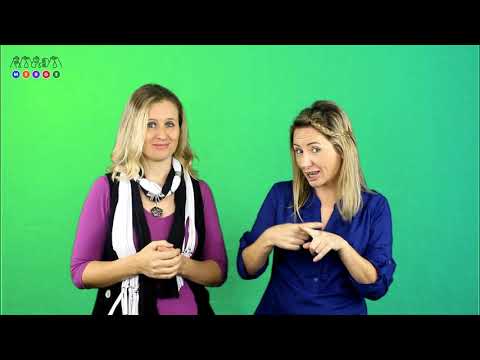
- Start with both hands in front of you, palms facing down.
- Shape your hands into the “S” handshape (clenched fist with the thumb on the side).
- Move your hands outward slightly while maintaining the “S” shape, as if outlining the structure of a sentence.
- Maintain a neutral facial expression, but emphasize clarity in your hand movements to convey the concept of sentence structure.
Common Mistakes
- Forgetting to maintain a clear handshape, which can lead to confusion.
- Not using facial expressions, which are important for conveying meaning in NZSL.
- Moving hands too quickly, making it hard for others to follow the sign.
NZSL vs ASL
In NZSL, the sign for “sentence structure” emphasizes the physical representation of how sentences are constructed. In contrast, ASL (American Sign Language) may use a different handshape or movement to convey the same concept. While both languages share some similarities, each has unique signs and structures influenced by their respective cultures.
Related Signs
- Word – A fundamental unit of language.
- 1 – The number one sign in NZSL.
- 10 Nzsl – The sign for ten in NZSL.
- 1 Dollar – Signifying one dollar in NZSL.
- 100 – The sign for one hundred.
Frequently Asked Questions
How is “nzsl sentence structure” used in sentences?
This sign helps explain how to form sentences correctly in NZSL, making communication clearer.
Are there regional variations of this sign?
While the sign is generally consistent across New Zealand, some regions may have slight variations in movement or emphasis.
What are some similar signs?
Related signs include “word,” “phrase,” and “grammar,” which are useful when discussing language structure.
What tips can help me learn this sign better?
Practice in front of a mirror to check your handshape and movements, and pay attention to facial expressions that enhance the meaning.
Can I use this sign in everyday conversation?
Yes, it’s helpful when discussing language topics or when teaching others about NZSL.
Is this sign influenced by other languages?
Yes, NZSL has influences from BSL (British Sign Language) and incorporates unique signs alongside some te reo Māori signs.
Practice This Sign
Try signing Nzsl Sentence Structure with your camera and get AI coaching on your handshape, movement, and location.
Free · No signup required