
Breathe in New Zealand Sign Language (NZSL)
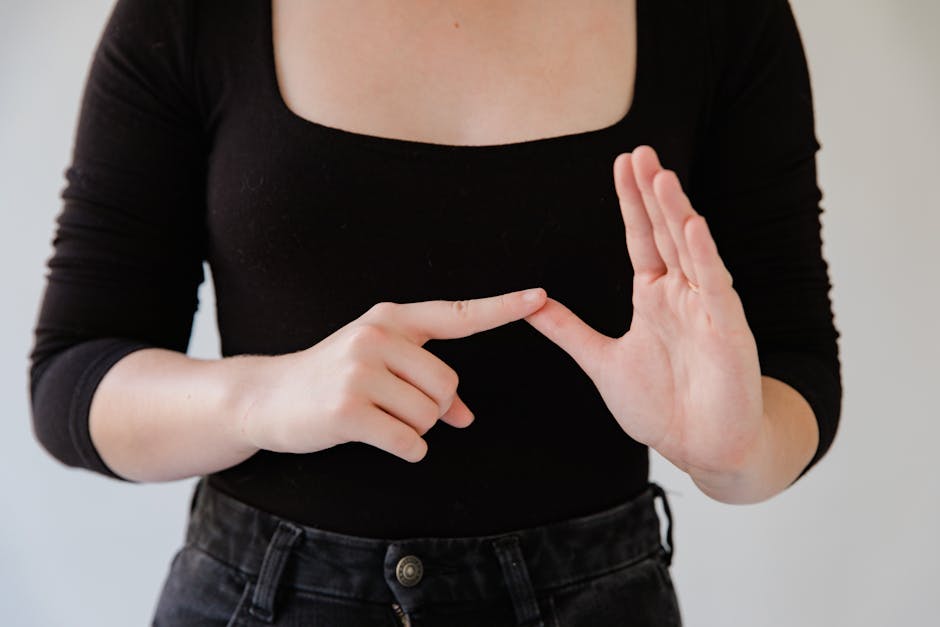
The sign “breathebreathtā te manawanoun; verb” is used in NZSL to express the action of breathing, often in contexts related to physical activity, relaxation, or discussing health. It’s a fundamental sign that reflects the importance of breathing in life and well-being, commonly used in everyday conversations within the Deaf community.
Table of Contents
How to Sign “Breathebreathtā Te Manawanoun; Verb” in NZSL
- Begin with both hands open, palm facing down, positioned at your lower chest.
- Inhale gently as you raise your hands upward, moving them in front of your body to shoulder height.
- As you exhale, bring your hands back down to the starting position, maintaining an open handshape.
- Throughout the sign, keep a relaxed facial expression that reflects the calmness associated with breathing.
Common Mistakes
- Forgetting to use the correct handshape—ensure your hands remain open throughout the sign.
- Rushing the movement; it should be slow and fluid to reflect the natural rhythm of breathing.
- Neglecting facial expressions, which are crucial in NZSL for conveying emotions and context.
NZSL vs ASL
In NZSL, the sign for “breathe” emphasizes the movement of the hands to mimic the act of inhaling and exhaling. In contrast, ASL uses a different handshape and movement pattern that may not visually represent the breathing action as clearly as in NZSL.
Related Signs
- (Be) Born, (Give) Birth – A sign used to describe the act of being born or giving birth.
- (All Of) You – Refers to addressing a group of people directly.
- (Be) Careful – A sign for warning or advising caution.
- (Baby’S) Dummy – Represents a pacifier or teething device for babies.
- (Be) Passive – Used to describe a passive state or behavior.
Frequently Asked Questions
How can I use “breathebreathtā te manawanoun” in a sentence?
You could say, “I am breathing deeply,” which would be signed by combining the sign for “I” and “breathebreathtā te manawanoun.”
Are there regional variations for this sign in NZ?
While the sign is generally consistent, some regions may have variations in speed or emphasis based on local dialects. It’s good to learn from local signers.
What are some signs similar to “breathebreathtā te manawanoun”?
Signs related to health, such as “exercise,” “relax,” and “rest,” often accompany discussions about breathing.
What tips do you have for learning this sign?
Practice in front of a mirror to ensure your handshapes and movements are accurate. Watching native signers can also help.
Is there a specific context where this sign is more commonly used?
This sign is frequently used in discussions about health, relaxation techniques, or during yoga and meditation sessions.
Can I use this sign while talking about emotions?
Yes! Breathing often relates to emotional states, so combining this sign with expressions can enhance communication about feelings.
What are the benefits of understanding this sign in NZSL?
Understanding this sign helps you communicate effectively about health and wellness, making conversations around these topics more accessible.
Practice This Sign
Try signing Breathebreathtā Te Manawanoun; Verb with your camera and get AI coaching on your handshape, movement, and location.
Free · No signup required