
(it’s) Not Fair in New Zealand Sign Language (NZSL)
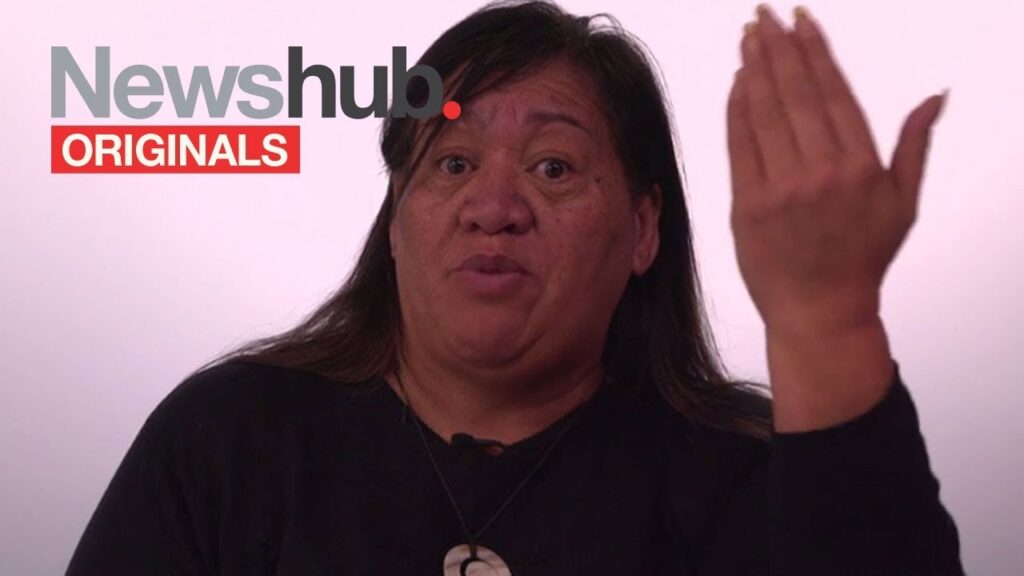
The sign for “(it’s) not fair” is commonly used in the New Zealand Deaf community to express feelings of injustice or inequality. This sign reflects the values of fairness and equity, which are important in everyday interactions. It’s often used in discussions about situations that feel unjust or when advocating for equal treatment.
Table of Contents
How to Sign “(It’s) Not Fair” in NZSL

- Start with your dominant hand in a flat shape, palm facing down.
- Position your hand just in front of your chest, at about shoulder height.
- With a firm movement, tilt your hand slightly to the side while shaking it back and forth.
- Ensure your facial expression conveys a sense of disappointment or disapproval, as this adds emotional context to the sign.
Common Mistakes
- Some learners may forget to use an expressive facial expression, which is crucial in NZSL for conveying emotion.
- Using a closed fist instead of a flat hand shape can change the meaning of the sign.
- Not shaking the hand enough during the movement may lead to misunderstanding; the motion should be clear and deliberate.
NZSL vs ASL
In NZSL, the sign for “(it’s) not fair” utilizes a flat hand shape and an expressive movement to convey the concept of unfairness. In contrast, American Sign Language (ASL) has a different sign that may not include the same hand shape or motion, highlighting the unique characteristics of each sign language.
Related Signs
- (All Of) You – Used to refer to a group of people.
- (Be) Careful – A sign used to advise caution.
- (Baby’s) Dummy – Referring to a pacifier for infants.
- (Be) Born, (Give) Birth – Used in discussions about childbirth.
- (Be) Passive – Describing a passive state or behavior.
Frequently Asked Questions
How do I use “(it’s) not fair” in a sentence?
You can use it to express feelings about a specific situation, for example: “It’s not fair that I have to do all the work.”
Are there regional variations for this sign in New Zealand?
While the sign is generally consistent across New Zealand, some regions might have slight variations in the movement or facial expressions used.
What are some similar signs in NZSL?
Related signs include “(it’s) unfair” and “disappointed,” which convey similar emotions related to fairness.
What tips do you have for learning this sign?
Practice in front of a mirror to ensure your hand shape and facial expressions are clear. Watching videos of native signers can also help.
Is facial expression important in NZSL?
Yes! Facial expressions are a vital component of NZSL as they add meaning and context to the signs.
Can I use this sign in formal settings?
Absolutely! It’s appropriate in both informal and formal discussions about fairness, such as in meetings or educational settings.
Practice This Sign
Try signing (It's) Not Fair with your camera and get AI coaching on your handshape, movement, and location.
Free · No signup required