
(be) Passive in New Zealand Sign Language (NZSL)

The sign for “(be) passive” in NZSL conveys the idea of being receptive or not taking an active role in a situation. This sign is often used in discussions about personal feelings, social interactions, or when describing a state of being that involves stepping back or not engaging directly. It reflects the unique cultural perspectives within the Deaf community in New Zealand.
Table of Contents
How to Sign “(Be) Passive” in NZSL
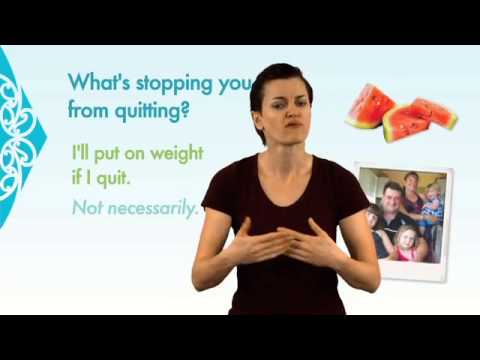
- Start with both hands open and relaxed, palms facing down.
- Position your hands slightly in front of your body, about shoulder-width apart.
- Bring your hands towards your body slowly while slightly bending your elbows, as if you are drawing back.
- Maintain a neutral facial expression, but you may add a slight frown to reflect the passive nature.
- Finish with your hands close to your torso, indicating a retreat or passivity.
Common Mistakes
- Forgetting to use a neutral or passive facial expression, which is important to convey the meaning.
- Making the hand movement too fast, which can suggest an active role instead of passivity.
- Incorrectly positioning the hands too far away from the body, losing the sense of retreat.
NZSL vs ASL
In NZSL, the sign for “(be) passive” emphasizes the movement of drawing back, which is less pronounced in ASL. ASL often uses a different handshape and movement to convey similar meanings, showing the unique characteristics of NZSL influenced by both BSL and local culture.
Related Signs
- (Be) Careful – To indicate caution or carefulness.
- (Be) Born, (Give) Birth – Related to the beginnings of life.
- (Baby’s) Dummy – Refers to a baby pacifier.
- (All Of) You – Used to refer collectively to a group.
- (Be) Careful (Kia Tūpato) – A sign for being cautious in various situations.
Frequently Asked Questions
How do I use the sign in a sentence?
You might say, “I feel passive today,” using the sign to describe your current state.
Are there regional differences in this sign across New Zealand?
While the core sign remains consistent, some regions may have slight variations in hand movement or facial expression based on local Deaf culture.
What are some signs that are similar to “(be) passive”?
Signs like “(be) careful” and “(be) shy” can express related feelings, although they have distinct meanings.
What tips do you have for learning this sign?
Practice in front of a mirror to refine your facial expression and hand movement, ensuring you convey the right meaning.
Can children use this sign too?
Yes, children can learn this sign, especially when discussing feelings or emotions in social settings.
Is this sign commonly used in everyday conversation?
Yes, it is often used in discussions about feelings, social interactions, and personal experiences.
Practice This Sign
Try signing (Be) Passive with your camera and get AI coaching on your handshape, movement, and location.
Free · No signup required