
Gullible (adjective, 2) in New Zealand Sign Language (NZSL)
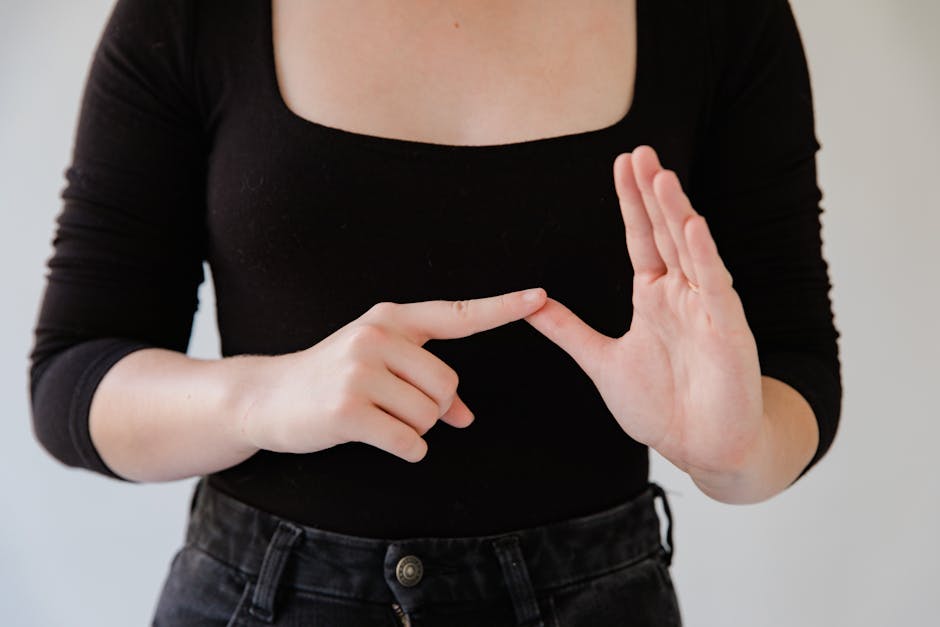
The sign “gullible” or “fell for it, susceptible” is used in New Zealand Sign Language (NZSL) to express when someone has been easily deceived or convinced. This sign is commonly used in everyday conversations to describe situations where trust is exploited, often in a light-hearted or humorous context. It reflects the playful nature of the Deaf community in New Zealand.
Table of Contents
How to Sign “Gulliblefell For It, SusceptiblekūAreadjective; Verb” in NZSL
- Start with your dominant hand in a flat ‘B‘ handshape (palm facing down).
- Place your hand in front of your forehead, with your fingers slightly bent.
- Move your hand forward in a small arc while maintaining the ‘B‘ handshape.
- As you move your hand, raise your eyebrows to indicate the meaning of being deceived or gullible.
- Finish by bringing your hand back to the starting position to emphasize the action.
Common Mistakes
- Using the wrong handshape: Ensure your hand is in the correct ‘B‘ shape throughout the sign.
- Incorrect facial expressions: Facial expressions are crucial in NZSL, so remember to show surprise or disbelief.
- Not placing the hand at the forehead: Positioning is important for clarity, so avoid signing too far away from your face.
NZSL vs ASL
In American Sign Language (ASL), the sign for “gullible” differs significantly. ASL may use a different handshape and movement, reflecting cultural nuances between the two sign languages. NZSL incorporates unique signs influenced by British Sign Language (BSL) and te reo Māori, making it distinct.
Related Signs
- (Be) Careful – A sign used to warn someone to exercise caution.
- (Baby’s) Dummy – Refers to a pacifier, often used in discussions about children.
- (All Of) You – A sign that addresses multiple people, expressing inclusivity.
Frequently Asked Questions
Can I use this sign in a sentence?
Yes! For example, you can say, “She was gullible; she believed everything he said,” using the sign while emphasizing the context with facial expressions.
Are there regional variations for this sign in NZ?
While the sign is generally consistent across New Zealand, some regions may have slight variations in movement or handshape. Always be aware of local signs used in your area.
What are some similar signs to “gullible”?
Similar signs include “naive” or “trusting,” which can convey a related meaning, often used in similar contexts.
What tips do you have for learning this sign?
Practice in front of a mirror to ensure your handshape and facial expressions are correct. Watching native signers can also help reinforce learning.
Is this sign commonly used in friendly teasing?
Absolutely! The sign often comes up in playful banter among friends, highlighting its usage in light-hearted situations.
Can this sign be used in formal conversations?
While it can be used in formal settings, it’s best reserved for more casual contexts where humor is appropriate.
Practice This Sign
Try signing Gulliblefell For It, SusceptiblekūAreadjective; Verb with your camera and get AI coaching on your handshape, movement, and location.
Free · No signup required