
Grandchild in New Zealand Sign Language (NZSL)

The sign for “grandchild” in NZSL is an important expression used within the Deaf community, especially during family gatherings or discussions about family. This sign helps to convey the special relationship between grandparents and their grandchildren. It reflects the values of family and connection that are central to many cultures, including the Deaf community in New Zealand.
Table of Contents
How to Sign “Grandchild” in NZSL
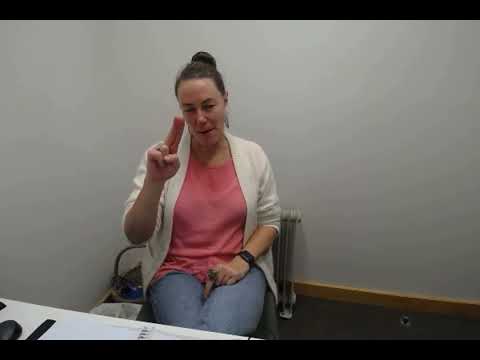
- Start with your dominant hand in a flat handshape (like the letter ‘B’ in English).
- Position your hand in front of your chin, palm facing towards you.
- With a smooth motion, move your hand slightly forward and downwards, as if you are gently placing something down.
- While performing the movement, maintain a warm, inviting facial expression to convey affection.
Common Mistakes
- Forgetting to use facial expressions, which can change the meaning of the sign.
- Incorrect handshape; some learners may use a fist instead of a flat hand.
- Not demonstrating the forward movement clearly, making the sign less recognizable.
NZSL vs ASL
In NZSL, the sign for “grandchild” emphasizes a gentle, nurturing action, while in ASL, the sign may focus more on a different handshape and movement. This reflects the unique influences and cultural context of each sign language, with NZSL incorporating elements from both BSL and te reo Māori.
Related Signs
- (Be) Born, (Give) Birth – This sign relates to the beginnings of family.
- (Baby’s) Dummy – A common sign when discussing infants.
- (All Of) You – Useful when addressing a group of family members.
- (Be) Careful – A sign that might come up in discussions about caring for grandchildren.
Frequently Asked Questions
How can I use “grandchild” in a sentence?
You might say, “My grandchild loves to visit me,” which in NZSL would involve signing “grandchild” along with the signs for “my” and “visit.”
Are there regional variations for this sign in NZ?
While the sign is generally consistent across New Zealand, some regions may have minor variations in speed or facial expressions.
What other signs are similar to “grandchild”?
Other family-related signs such as “child,” “parent,” or “sibling” might be useful to learn as well.
What tips do you have for learning NZSL signs?
Practice regularly, watch native signers, and engage with the Deaf community to improve your skills.
Can I use this sign with hearing people?
Yes, using NZSL signs can help bridge communication in mixed settings, especially during family events.
Is “grandchild” used the same way in formal and informal settings?
Yes, the sign can be used in both formal and informal contexts when talking about family.
How do I know if I’m signing correctly?
Observing and asking for feedback from experienced NZSL users can help ensure accuracy in your signing.
Practice This Sign
Try signing Grandchild with your camera and get AI coaching on your handshape, movement, and location.
Free · No signup required