
Gradually, In Due Course, Eventually, Ongoing in New Zealand Sign Language (NZSL)
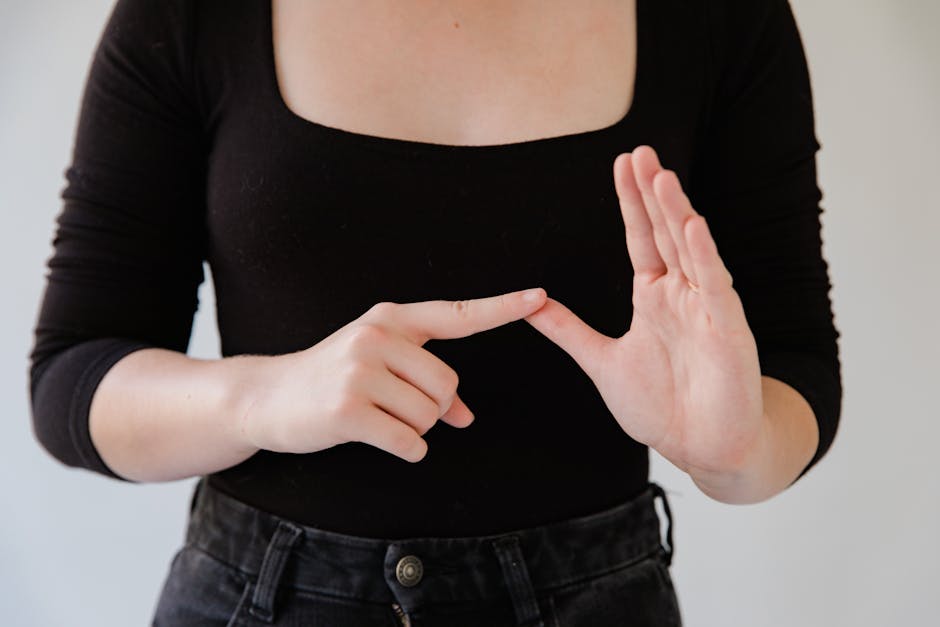
The sign “gradually, in due course, eventually, ongoing” in NZSL is often used to describe a process that unfolds over time. It conveys the idea of something happening slowly or steadily, and is commonly employed in discussions about personal growth, projects, or changes in circumstances within the Deaf community.
Table of Contents
How to Sign “Graduallyin Due Course, Eventually, OngoingāTaadverb” in NZSL
- Start with your dominant hand in a flat handshape (palm facing down).
- Position your hand at about shoulder height, slightly in front of you.
- With a gentle forward motion, move your hand away from your body while slightly tilting it downwards.
- As you move your hand, use a facial expression that conveys patience or gradual change, such as a calm smile or thoughtful look.
- End the motion with your hand at a comfortable distance, indicating the process reaching its conclusion.
Common Mistakes
- Using a sudden or jerky movement instead of a smooth, gradual motion.
- Failing to incorporate appropriate facial expressions, which are crucial for conveying the intended meaning.
- Not maintaining a clear handshape, which can lead to confusion with other signs that look similar.
NZSL vs ASL
In NZSL, the sign for “gradually” features a distinct flat handshape with a smooth motion, while in ASL, the sign may involve different handshapes or movements that do not convey the same gradual sense. The cultural context and usage in each community can also differ significantly, reflecting unique expressions and nuances.
Related Signs
- (All Of) You – Referring to a group or collective.
- (Baby’S) Dummy – A sign related to infants and caregiving.
- (Be) Careful – A sign conveying caution and attention.
Frequently Asked Questions
How can I use this sign in a sentence?
You might say, “I will gradually finish my project,” using the sign to emphasize the slow process of completion.
Are there regional variations of this sign in New Zealand?
While this sign is widely understood, some regions may have slight variations in movement or handshape. Always observe local signs when communicating.
What are some similar signs?
Related signs include “slow,” “continue,” and “progress,” each conveying a sense of movement over time.
What tips do you have for learning this sign?
Practice in front of a mirror to ensure your movements are smooth and your facial expressions match the meaning you want to convey.
Can this sign be used in different contexts?
Yes, this sign is versatile and can be used in various contexts, such as discussing timeframes in projects or personal goals.
Is the sign used in storytelling?
Absolutely! It can be an effective way to describe events that unfold gradually within a narrative.
Practice This Sign
Try signing Graduallyin Due Course, Eventually, OngoingāTaadverb with your camera and get AI coaching on your handshape, movement, and location.
Free · No signup required