
Fox (variant, 2) in New Zealand Sign Language (NZSL)
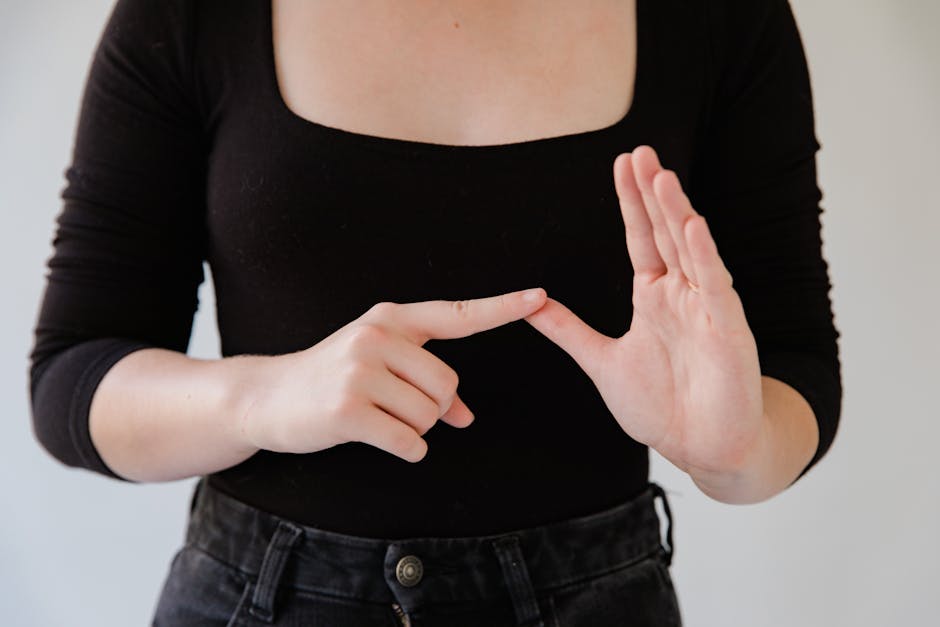
The sign for “fox” in NZSL captures the essence of this clever animal and is commonly used in various contexts, such as discussing wildlife, storytelling, or expressing characteristics associated with foxes. This sign is part of the rich tapestry of NZSL, which became an official language in New Zealand in 2006 and reflects the unique cultural influences of both the Deaf community and te reo Māori.
Table of Contents
How to Sign “Foxtonnoun” in NZSL
- Start with your dominant hand in a flat shape, resembling the head of a fox.
- Position your hand at your forehead, with the palm facing outward.
- Move your hand forward while slightly bending your fingers to mimic the fox’s ears perked up.
- Incorporate facial expressions that reflect the slyness or cleverness often associated with foxes, such as raising your eyebrows.
Common Mistakes
- Some learners may forget to include facial expressions, which are vital in NZSL to convey meaning and emotion.
- Using the wrong handshape can lead to confusion; it’s important to maintain the flat hand to represent the fox accurately.
- Not positioning the hand correctly at the forehead can make the sign unclear or less recognizable.
NZSL vs ASL
In NZSL, the sign for “fox” is distinct from ASL. While ASL may use a different handshape and movement, NZSL incorporates a more localized representation that reflects cultural nuances. The emphasis on facial expression in NZSL enriches the meaning behind the sign, which is less pronounced in ASL.
Related Signs
- (Be) Careful – A sign to indicate caution or alertness.
- (Baby’S) Dummy – Refers to a pacifier or soother for babies.
- (Be) Born, (Give) Birth – Used in contexts related to birth and family.
- (Be) Passive – Indicates a state of passiveness or non-action.
Frequently Asked Questions
How can I use “fox” in a sentence?
You can use the sign for “fox” in sentences like “I saw a fox in the bush” by incorporating it smoothly into your signing flow.
Are there regional variations for this sign in New Zealand?
Most regions use this sign similarly, but slight variations in handshape or movement may occur based on local Deaf culture.
What are some signs similar to “fox”?
Signs related to animals like “dog” or “cat” can be similar in structure, focusing on handshape and positioning.
Can I use this sign in storytelling?
Absolutely! Incorporating the sign for “fox” in storytelling enhances your narrative and engages your audience.
What tips do you have for learning this sign?
Practice in front of a mirror to check your handshape and facial expressions, and consider watching videos of native signers for guidance.
Is there a cultural significance to the fox in NZSL?
Yes, foxes are often associated with cleverness and adaptability, which can be reflected in storytelling and cultural narratives within the Deaf community.
Practice This Sign
Try signing Foxtonnoun with your camera and get AI coaching on your handshape, movement, and location.
Free · No signup required