
Fox in New Zealand Sign Language (NZSL)
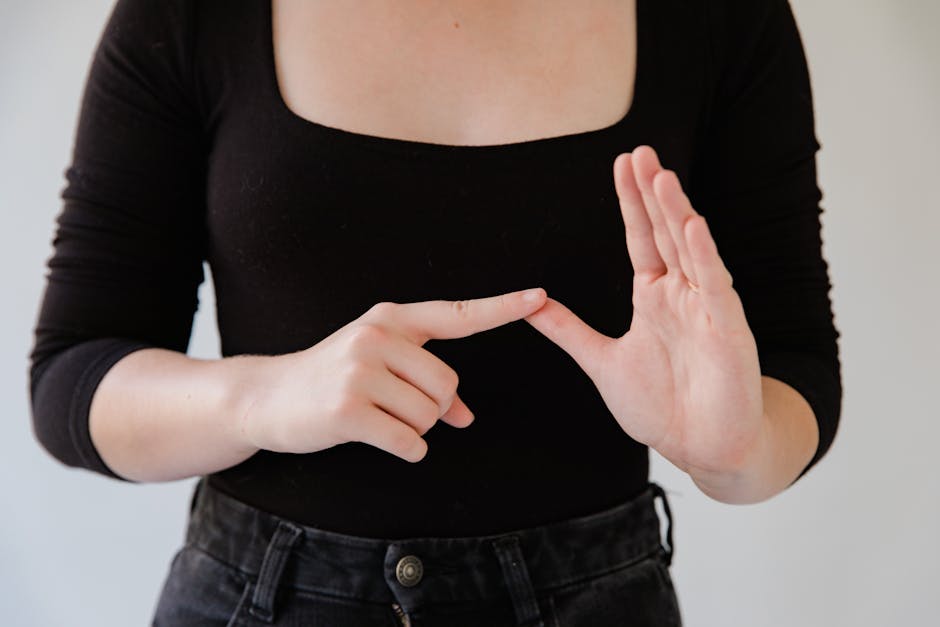
The sign “foxpōkihanoun” in NZSL refers to the concept of a fox, specifically, it is often used in discussions about animals, wildlife, or in storytelling contexts. This sign is commonly used in schools, community events, and everyday conversations within the Deaf community in New Zealand.
Table of Contents
How to Sign “FoxpōKihanoun” in NZSL
- Start with your dominant hand in a flat handshape, with your fingers extended and together.
- Position your hand in front of your face, approximately at chin level.
- Curved your hand slightly, as if mimicking the shape of a fox’s head.
- Move your hand outward and slightly forward while maintaining the flat handshape.
- Facial expressions are important. Keep a playful or curious expression to convey the idea of a fox.
Common Mistakes
- Not using the correct handshape; learners sometimes use a fist instead of a flat hand.
- Moving the hand too quickly or without enough flair, which can lose the playful essence of the sign.
- Forgetting to incorporate facial expressions, which are crucial in NZSL for conveying meaning and emotion.
NZSL vs ASL
In NZSL, the sign for “foxpōkihanoun” is distinct and incorporates elements unique to New Zealand culture and wildlife, often influenced by te reo Māori. In contrast, ASL has a different sign for “fox” that does not reflect these cultural nuances. Understanding these differences highlights the rich diversity of sign languages globally.
Related Signs
- (All Of) You – Used to refer to a group of people.
- (Baby’s) Dummy – Refers to a pacifier or soother for babies.
- (Be) Careful – A sign to express caution.
- (Be) Born, (Give) Birth – Related to childbirth and new life.
Frequently Asked Questions
How would you use “foxpōkihanoun” in a sentence?
You could say, “I saw a foxpōkihanoun in the forest,” signing it at the appropriate places to indicate the noun.
Are there regional variations of this sign in New Zealand?
While the sign is generally consistent, some regional variations may exist in the handshape or movement, particularly in different communities.
What are some signs similar to “foxpōkihanoun”?
Signs like “dog” or “cat” may share similar handshapes or movements, emphasizing animal-related vocabulary.
What tips do you have for learning this sign?
Practice in front of a mirror to ensure your handshape and facial expressions match the sign. Watching video demonstrations can also be beneficial.
Can “foxpōkihanoun” be used in storytelling?
Absolutely! It can bring life to stories about nature and wildlife, enhancing engagement with your audience.
Are there any cultural significance to the sign for “foxpōkihanoun”?
Foxes may hold different meanings in various cultures, and incorporating local wildlife into sign language reflects a deep connection with nature in NZ.
Practice This Sign
Try signing FoxpōKihanoun with your camera and get AI coaching on your handshape, movement, and location.
Free · No signup required