
Face Up To (verb) in New Zealand Sign Language (NZSL)
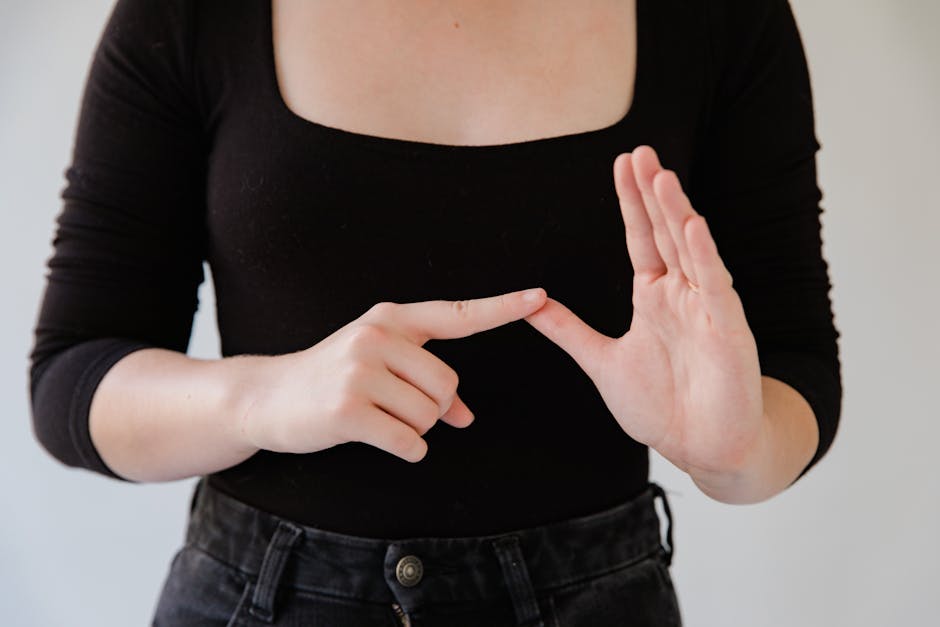
The sign “Face Up Tofacepono Tō NgāKauverb” expresses the idea of confronting or facing a situation directly, often with courage and authenticity. This sign is commonly used in the NZ Deaf community to discuss themes of honesty, personal growth, and resilience in challenging situations.
Table of Contents
How to Sign “Face Up Tofacepono Tō NgāKauverb” in NZSL
- Start with both hands open and palms facing your body, at chest height.
- Slowly move your hands outward and slightly upward, maintaining the open handshape, while your palms continue to face outward.
- As you move your hands, tilt your head slightly forward, then bring your head back to an upright position to convey the idea of facing a challenge.
- Incorporate a facial expression that shows determination or confidence, as this enhances the meaning of the sign.
Common Mistakes
- Not using the appropriate facial expressions, which can lead to a misunderstanding of the sign’s intent.
- Overly fast movements that may confuse viewers, as this sign requires clarity and emphasis on the hand positioning.
- Incorrect hand shape; ensure that your hands remain open throughout the sign.
NZSL vs ASL
In NZSL, “Face Up Tofacepono Tō NgāKauverb” emphasizes both the hand movements and facial expressions, which are crucial for conveying meaning. In contrast, ASL may use different hand shapes and movements for similar concepts, often relying less on facial expressions to convey intent.
Related Signs
- (All Of) You – A sign used to refer to a group of people collectively.
- (Be) Careful – A sign expressing caution or the need to be careful in a situation.
- (Be) Passive – This sign indicates a state of being passive or not taking action.
Frequently Asked Questions
How can I use “Face Up Tofacepono Tō NgāKauverb” in a sentence?
You can use this sign in sentences like “I need to face up to my challenges” by incorporating it as a key part of your expression.
Are there regional variations for this sign in New Zealand?
While the core gesture remains the same, some regions may emphasize different facial expressions or slight variations in hand movement. It’s best to observe local users for context.
Are there similar signs that express courage?
Yes, signs like “brave” or “stand strong” convey similar themes and can be used in tandem with “Face Up Tofacepono Tō NgāKauverb”.
What tips do you have for learning this sign?
Practice in front of a mirror to refine your movements and facial expressions. Watching fluent signers can also help improve your technique.
Can this sign be used in different contexts?
Absolutely! It can apply to personal challenges, honest conversations, or any situation where one must confront something head-on.
How does this sign connect to Māori culture?
This sign embodies the spirit of facing challenges, which resonates with Māori values of resilience and strength, reflecting the deep cultural ties within New Zealand.
Practice This Sign
Try signing Face Up Tofacepono Tō NgāKauverb with your camera and get AI coaching on your handshape, movement, and location.
Free · No signup required