
Exhausted, Pooped, Tired Out, Very Tired, Worn Out in New Zealand Sign Language (NZSL)
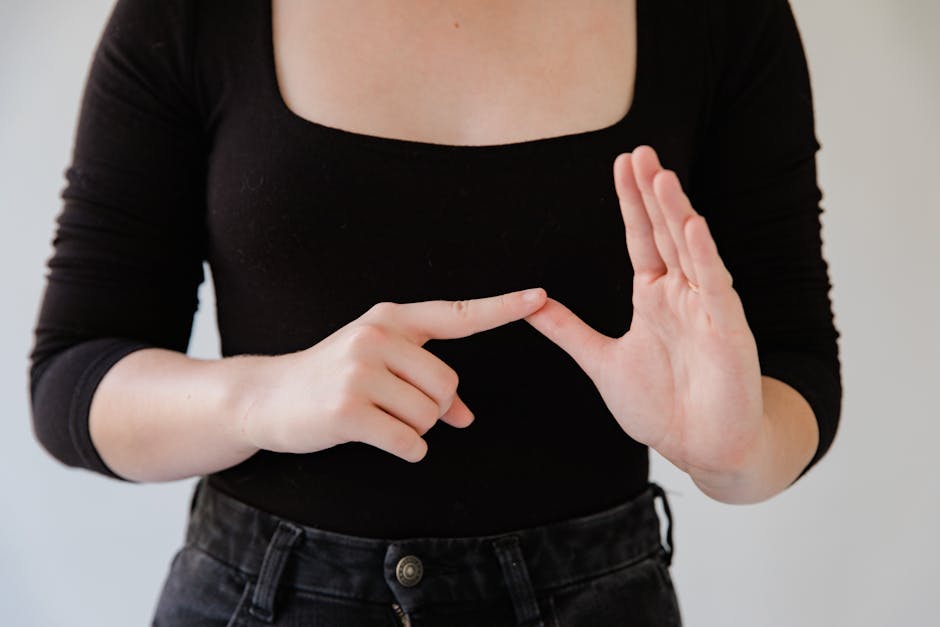
The sign for “exhausted,” “pooped,” “tired out,” “very tired,” or “worn out” (pau te hau, ngenge) is commonly used in the New Zealand Deaf community to express a strong feeling of fatigue or depletion. This sign can be used after a long day, a strenuous activity, or any situation that leaves you feeling utterly drained.
Table of Contents
How to Sign “Exhaustedpooped, Tired Out, Very Tired, Worn Outpau Te Hau, Ngengeadjective” in NZSL
- Start with your dominant hand open, palm facing down, at about shoulder height.
- Bend your elbow and bring your hand towards your chest while closing your fingers into a loose fist.
- As you bring your hand toward your chest, drop your head slightly and furrow your brow to convey the feeling of exhaustion.
- Finish by relaxing your hand and letting it drop downwards, emphasizing the feeling of being worn out.
Common Mistakes
- Some learners might keep their hand flat and not close it into a fist, which can change the meaning.
- Failing to include appropriate facial expressions can make the sign seem less impactful.
- Not using the right hand position or movement can lead to confusion with other signs.
NZSL vs ASL
In NZSL, the sign for “exhausted” involves a unique handshape and movement that differs from ASL. While ASL may use a different gesture to convey tiredness, NZSL incorporates specific facial expressions and hand movements that reflect cultural nuances within the New Zealand context.
Related Signs
- (Baby’s) Dummy – A sign for the pacifier that babies use.
- (Be) Careful – To express caution or alertness.
- (All Of) You – A sign to refer to a group of people.
- (Be) Born, (Give) Birth – Related to beginnings and life events.
Frequently Asked Questions
How can I use this sign in a sentence?
You can say, “I am exhausted” by signing “I” followed by the sign for “exhausted.” This conveys your current state effectively.
Are there regional variations of this sign in New Zealand?
While the sign is generally consistent, some regions may have slight variations in facial expressions or hand movements. It’s a good idea to observe local users.
What is a similar sign to this one?
The sign for “tired” can be similar but may involve a subtler movement. It’s helpful to practice both to understand their distinctions.
What learning tips do you have for mastering this sign?
Practice in front of a mirror to ensure your handshape and facial expressions match the intended meaning. Watching native signers can also help.
Can I use this sign in formal situations?
Yes, it’s acceptable in both casual and formal contexts, as long as it fits the conversation regarding health or well-being.
Is this sign used in other contexts?
It can also be used metaphorically to describe emotional exhaustion, not just physical tiredness.
Practice This Sign
Try signing Exhaustedpooped, Tired Out, Very Tired, Worn Outpau Te Hau, Ngengeadjective with your camera and get AI coaching on your handshape, movement, and location.
Free · No signup required