
Emotional in New Zealand Sign Language (NZSL)

The sign for “emotional” in NZSL captures the essence of feelings and emotional states. It is commonly used in conversations about personal experiences, mental health, and emotional well-being within the Deaf community. This sign reflects the rich cultural identity of the New Zealand Deaf community, where emotional expression is valued and respected.
Table of Contents
How to Sign “Emotional” in NZSL
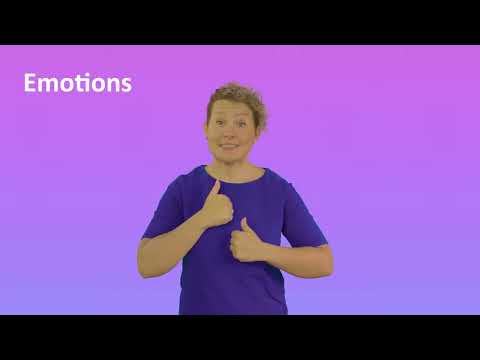
- Start with both hands in a flat ‘B‘ handshape (palm facing down).
- Position your hands at chest level, with fingertips pointing towards each other.
- Move your hands outward and slightly forward, while simultaneously bringing them down to about waist level.
- Maintain a soft facial expression to convey the emotional context, such as a gentle smile or a serious look, depending on the emotion being expressed.
Common Mistakes
- Using a tense or stiff handshape instead of the relaxed ‘B‘ handshape.
- Failing to incorporate facial expressions, which are crucial for conveying emotional nuance.
- Not moving the hands far enough apart, which can make the sign less clear.
NZSL vs ASL
In NZSL, the sign for “emotional” involves a more fluid and expressive hand motion, reflecting the importance of emotional context in communication. In contrast, ASL uses a different sign that may focus more on the concept of “feeling” rather than a direct representation of “emotional.” Each language has unique features influenced by its cultural context.
Related Signs
- (All Of) You – A sign for addressing a group of individuals, touching on collective emotions.
- (Baby’s) Dummy – While not directly related, this sign also involves emotional comfort symbols.
- (Be) Careful – A sign that can express concern, which ties into emotional awareness.
Frequently Asked Questions
How can I use “emotional” in a sentence?
You can say, “I feel emotional when I think about my family,” by signing “I” + “emotional” + “think” + “family.”
Are there regional variations for this sign in NZ?
While the sign for “emotional” is generally consistent, some regional variations may exist. It’s best to observe local Deaf community members for nuances.
What are some signs similar to “emotional”?
Signs like “happy,” “sad,” and “angry” convey specific emotions and can be used alongside “emotional” to enhance understanding.
What tips do you have for learning this sign?
Practice in front of a mirror to monitor your hand shape and facial expressions. Watching native signers can also provide clarity.
Can I use “emotional” in storytelling?
Absolutely! Using “emotional” in storytelling adds depth to characters and situations, making your narrative more engaging.
Is it important to express emotions in NZSL?
Yes, expressing emotions is vital in NZSL as it enriches communication and strengthens connections within the Deaf community.
Practice This Sign
Try signing Emotional with your camera and get AI coaching on your handshape, movement, and location.
Free · No signup required