
Laugh (Plural) in New Zealand Sign Language (NZSL)
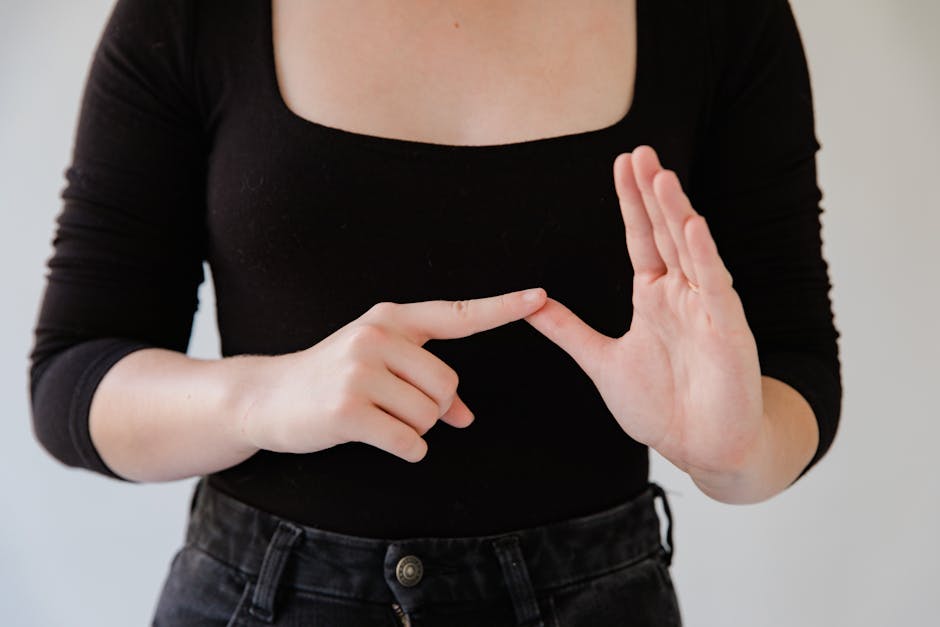
The sign for “laugh (plural)laughterkatakataverb” in NZSL represents joy and amusement, often used in contexts where laughter is shared among a group. It’s commonly used during social gatherings, storytelling, or when recalling funny experiences, fostering connection and mirth within the community.
Table of Contents
How to Sign “Laugh (Plural)Laughterkatakataverb” in NZSL
- Start with both hands in a loose open ‘5’ handshape.
- Position your hands near your mouth, about chin height.
- Move your hands outward and slightly apart while simultaneously bringing them down in front of you, as if mimicking the sound of laughter.
- Use an expressive facial expression, such as a big smile or chuckling, to convey the emotion of laughter.
- Repeat the motion to indicate plurality, emphasizing the shared joy among several people.
Common Mistakes
- Forgetting to use facial expressions, which are crucial in NZSL for conveying emotion.
- Using a single hand instead of both hands, which can lessen the impact of the sign.
- Not emphasizing the outward motion, which can make the sign appear less lively.
NZSL vs ASL
In NZSL, the sign for laughter is performed with both hands and emphasizes the collective nature of laughter, while in ASL, the sign may use one hand and focuses more on the action of laughing. This reflects the cultural nuances and social context within each language.
Related Signs
- (All Of) You – Sign used to refer to a group of people.
- (Baby’s) Dummy – Sign related to baby care, often used in family contexts.
- (Be) Born, (Give) Birth – Related to family and life events.
- (Be) Careful – A sign emphasizing caution, useful in various social interactions.
Frequently Asked Questions
How can I use “laugh” in a sentence?
You can say, “We all laugh together,” by signing “WE” followed by the “laugh” sign.
Are there regional variations of this sign in New Zealand?
While the sign is generally consistent, some regional variations may exist in how emphatic the movement is, depending on the community.
What are some similar signs to “laugh”?
Signs like “smile” and “funny” can complement the expression of laughter in different contexts.
What learning tips do you have for mastering this sign?
Practice in front of a mirror to refine your facial expressions and hand movements, and watch native signers to learn nuances.
Can I use this sign in formal settings?
Yes, it can be used in both casual and formal settings, especially when sharing humorous stories.
Is this sign used in storytelling?
Absolutely! It’s great for engaging your audience and conveying the joyful moments in your story.
Practice This Sign
Try signing Laugh (Plural)Laughterkatakataverb with your camera and get AI coaching on your handshape, movement, and location.
Free · No signup required