
Laugh (adjective) in New Zealand Sign Language (NZSL)
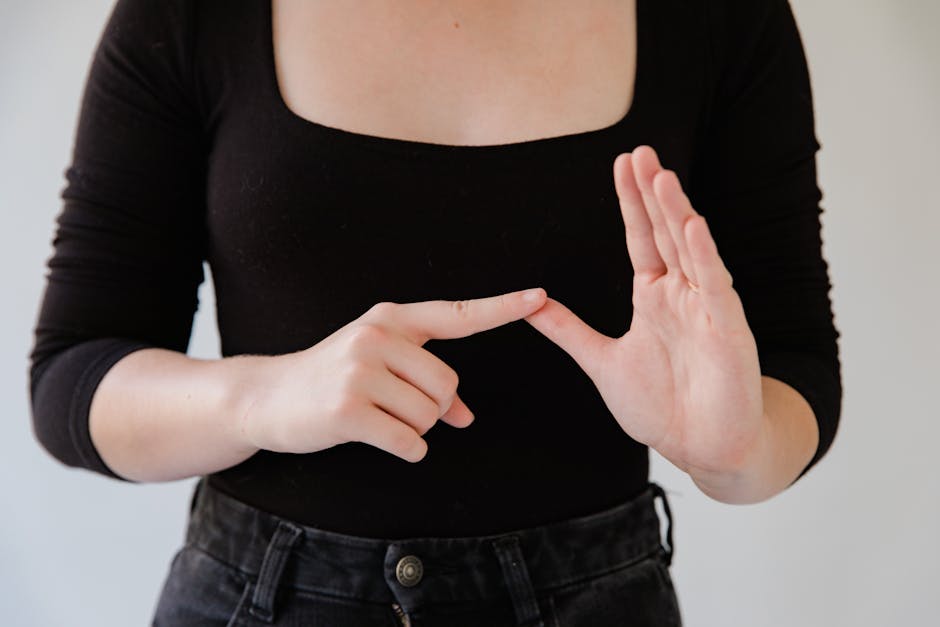
The sign for “laugh,” which conveys feelings of amusement, humor, and laughter, is an essential part of communication in the New Zealand Deaf community. It is often used in conversations about funny experiences or when sharing jokes, helping to connect people through shared moments of joy and laughter.
Table of Contents
How to Sign “Laughamusing, Comical, Funny, Humour, Humorous, Laughterkataadjective; Verb” in NZSL
- Start with both hands in a loose fist shape.
- Position your hands in front of your face, about chin height.
- Move your hands outward and slightly upward as if you are expressing laughter.
- While signing, add an expressive facial expression that mimics laughter—this is crucial in NZSL to convey the emotion.
Common Mistakes
- Forgetting to use facial expressions, which are key to conveying the meaning of the sign.
- Using a flat handshape instead of a loose fist, which may not effectively communicate the sign’s intent.
- Not maintaining an appropriate distance from the face, which can lead to misunderstandings.
NZSL vs ASL
In NZSL, the sign for “laugh” involves a specific handshape and movement that may differ from the American Sign Language (ASL) version. While ASL may use a different handshape and perhaps a more static gesture, NZSL emphasizes the importance of facial expression and movement to convey emotion.
Related Signs
- Happy – Sign expressing joy or happiness.
- Silly – A sign indicating something funny or nonsensical.
- Joke – Sign used for telling or referencing a joke.
- Smile – A sign depicting a smiling expression.
- Fun – Sign that conveys enjoyment or pleasure.
Frequently Asked Questions
How can I use “laugh” in a sentence?
You can say, “I love to laugh when I watch funny movies.” In NZSL, you would sign “I LOVE LAUGH FUNNY MOVIES.”
Are there regional variations for this sign in NZ?
While the basic sign remains consistent, some regions may have slight variations in the way the sign is performed, particularly in facial expressions.
What are some similar signs to “laugh”?
Related signs include “happy,” “silly,” and “joke,” each conveying aspects of humor and joy.
What tips do you have for learning this sign?
Practice in front of a mirror to ensure your facial expressions match the sign, and watch videos from native NZSL users to understand the nuances.
Can I use this sign in formal settings?
Yes, humor is often appreciated in various settings, but be mindful of the context to ensure it is appropriate.
What role does facial expression play in this sign?
Facial expression is crucial in NZSL, as it adds meaning and context. A joyful expression enhances the message of laughter.
Practice This Sign
Try signing Laughamusing, Comical, Funny, Humour, Humorous, Laughterkataadjective; Verb with your camera and get AI coaching on your handshape, movement, and location.
Free · No signup required