
Emotions in New Zealand Sign Language (NZSL)
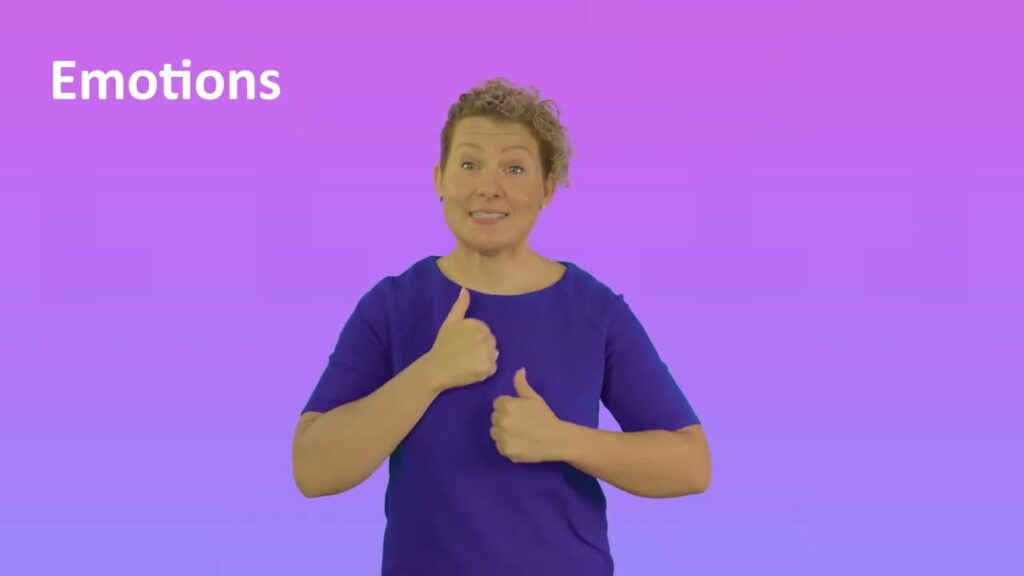
The sign for “emotions” in NZSL encompasses a wide range of feelings and is an essential part of expressing oneself in the New Zealand Deaf community. This sign is commonly used in conversations about personal experiences and emotional states, allowing for rich communication and connection among users.
Table of Contents
How to Sign “Emotions” in NZSL
- Start with both hands open, fingers slightly spread apart.
- Position your hands in front of your chest, palms facing towards you.
- Move your hands outward, away from your chest, while maintaining the open hand shape.
- As you move your hands, use facial expressions to reflect different emotions (e.g., smiling for happiness, frowning for sadness).
- Finish the sign by bringing your hands back to the original position in front of your chest to indicate the end of the expression.
Common Mistakes
- Some learners may forget to use facial expressions, which are crucial for conveying the nuances of emotions.
- Others might use a flat hand shape instead of the open hand shape, which can make the sign less clear.
- Moving the hands too quickly can lead to misinterpretation, as the sign requires smooth, deliberate movement.
NZSL vs ASL
In NZSL, the sign for “emotions” involves both hand shapes and facial expressions that are culturally significant. In contrast, ASL has a different hand shape and movement pattern for the same concept. This highlights the unique characteristics and influences of NZSL, which has been shaped by its connection to te reo Māori and British Sign Language.
Related Signs
- Happy – A sign expressing joy or contentment.
- Sad – A sign used to convey feelings of sorrow.
- Angry – A sign that depicts frustration or anger.
- Surprised – A sign to express shock or surprise.
- Excited – A sign used to show enthusiasm or eagerness.
Frequently Asked Questions
How can I use “emotions” in a sentence?
You can sign “I feel emotions” by positioning your hands in front of your chest and expressing different feelings using facial expressions and body language.
Are there regional variations of the sign for “emotions” in NZ?
While the basic sign remains consistent, some regional dialects may have slight variations in movement or facial expressions. It’s best to observe local users for cues.
What are some signs similar to “emotions”?
Related signs include “happy,” “sad,” and “angry,” which all focus on specific emotional expressions.
Any tips for learning this sign?
Practice in front of a mirror to ensure your facial expressions match the emotion you’re trying to convey. Watching native signers can also provide valuable insights.
Can “emotions” be signed with different intensities?
Yes! Adjusting your facial expressions and the speed of your hand movements can indicate the intensity of the emotion being expressed.
Is there a connection between NZSL and Māori culture in this sign?
Yes, many signs in NZSL draw influence from te reo Māori, which adds layers of cultural significance to emotional expressions.
Practice This Sign
Try signing Emotions with your camera and get AI coaching on your handshape, movement, and location.
Free · No signup required