
Equal, Fair (adjective, 2) in New Zealand Sign Language (NZSL)
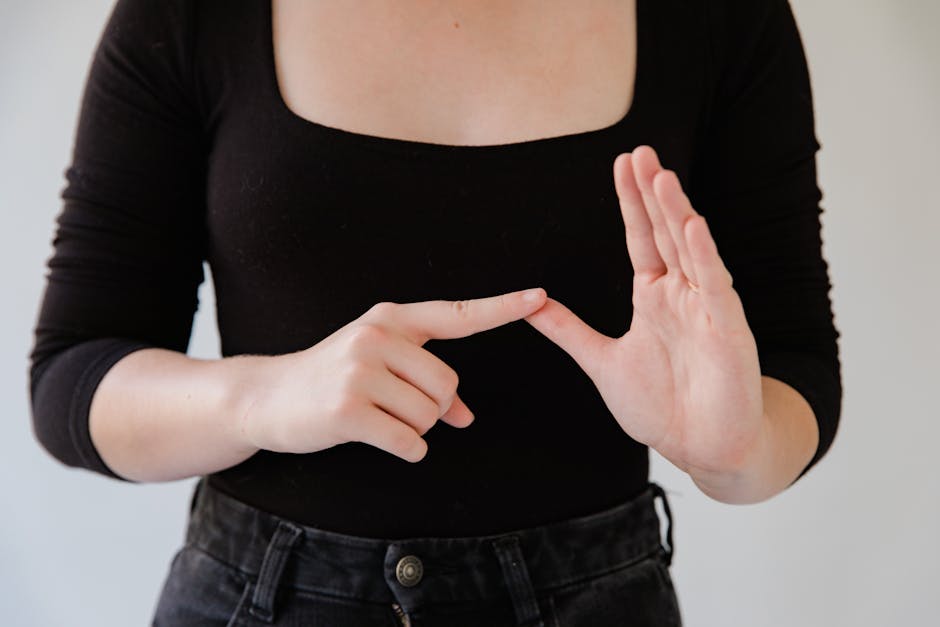
The sign for “equal, fair, comparable, equivalent, even-handed, evenly matched, level, match, same, ōrite, taurite” is a versatile term used frequently in conversations within the NZ Deaf community. This sign is often used to discuss fairness in various contexts, such as sports, relationships, and equal opportunities. Its importance in communication reflects values of equality and respect for all individuals.
Table of Contents
How to Sign “Equal, Faircomparable, Equivalent, Even-Handed, Evenly Matched, Level, Match, SameōRite, Tauriteadjective; Adverb” in NZSL
- Start with both hands in a flat shape (similar to the letter ‘B‘), palms facing down.
- Position your hands at shoulder height, about shoulder-width apart.
- Bring your hands together, keeping them parallel as they move towards each other.
- As your hands meet, slightly tilt them forward to indicate balance and equality.
- Maintain a neutral facial expression, but you can add a slight nod to emphasize agreement or fairness.
Common Mistakes
- Using a grasping handshape instead of a flat one, which can change the meaning.
- Not maintaining the proper distance between hands, leading to confusion about the sign’s intent.
- Forgetting to incorporate facial expressions, which are crucial in NZSL for conveying the right emotions.
NZSL vs ASL
In NZSL, the sign for “equal” uses a flat handshape and a forward movement to convey balance, while in ASL, the sign typically involves a different handshape and motion. This illustrates the unique features and cultural context of NZSL, distinct from its American counterpart.
Related Signs
- (All Of) You – Referring to a group of people.
- (Baby’s) Dummy – A sign for baby pacifier.
- (Be) Careful – Sign to express caution.
Frequently Asked Questions
How can I use this sign in a sentence?
You can use the sign in sentences like, “They are equal in skill” by combining it with other signs to give context.
Are there regional variations in this sign across New Zealand?
While the sign is generally consistent, some regions may have slight variations in movement or facial expression.
What similar signs should I learn?
Consider learning related signs like “fair” or “balance” to enhance your conversation skills.
Do I need to use facial expressions with this sign?
Yes, facial expressions are essential in NZSL to convey the emotion and context behind the sign.
How can I practice this sign effectively?
Practice with a partner or in front of a mirror to refine your handshape and movements.
Is this sign used in formal contexts?
Yes, it can be used in both casual and formal contexts, such as discussions about equality in the workplace.
Practice This Sign
Try signing Equal, Faircomparable, Equivalent, Even-Handed, Evenly Matched, Level, Match, SameōRite, Tauriteadjective; Adverb with your camera and get AI coaching on your handshape, movement, and location.
Free · No signup required