
Equal, Fair (adjective) in New Zealand Sign Language (NZSL)
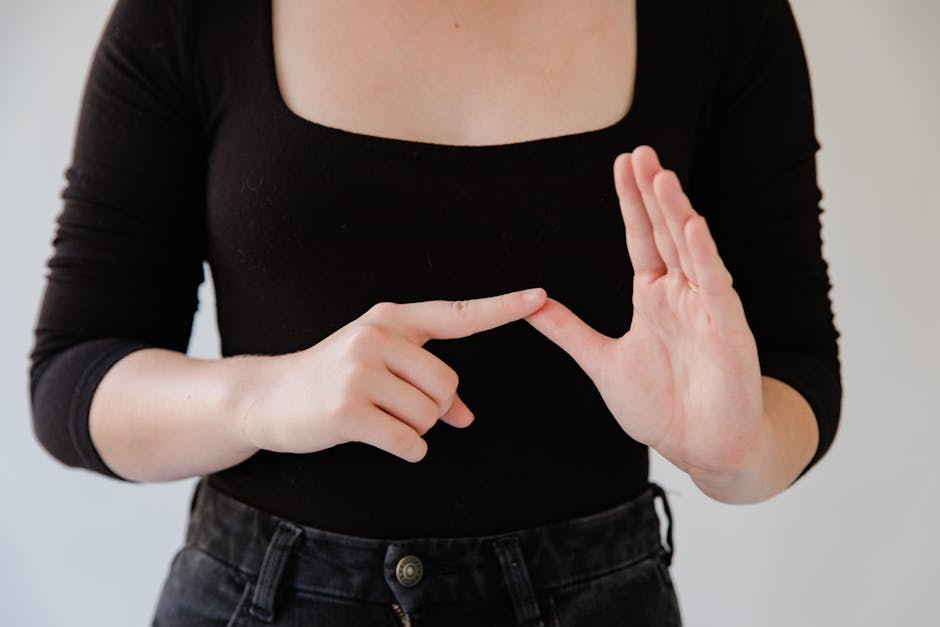
The sign for “equal” in NZSL conveys concepts of fairness, equality, and comparability. It’s often used in discussions about justice, relationships, and balancing differences. This sign reflects the values of the New Zealand Deaf community, promoting an inclusive and equitable environment.
Table of Contents
How to Sign “Equal, Faircomparable, Equivalent, Equality, Even-Handed, Evenly Matched, Level, Match, SameōRite, Tauriteadjective; Verb” in NZSL
- Start with both hands open, palms facing each other.
- Bring your hands together in front of your chest, maintaining the open handshape.
- Move your hands slightly apart and back together, as if balancing two items.
- Maintain a neutral facial expression or a slight smile to convey a positive meaning.
Common Mistakes
- Confusing the handshape: Some learners may use a fist instead of an open hand, which changes the meaning.
- Incorrect positioning: Ensure hands are at chest level for clarity.
- Inconsistent movement: The motion should be smooth and balanced; jerky movements can misrepresent the sign.
NZSL vs ASL
In NZSL, the sign for “equal” involves a balancing motion with open hands, whereas in ASL, the sign may use a different handshape and movement pattern. This reflects the distinct linguistic features of each sign language, despite some similarities due to shared influences.
Related Signs
- Fair – Describes justice or equity in treatment.
- Level – Indicates a flat or equal state.
- Same – Used to express similarity or identity.
- Match – Refers to pairing or equivalence.
- Equivalent – Signifies equal value or function.
Frequently Asked Questions
How can I use “equal” in a sentence in NZSL?
You can use the sign in sentences like “We are equal,” by incorporating it with your topic and subject signs.
Are there regional variations for this sign in New Zealand?
While the sign is generally consistent, some regions may have slight variations in movement or facial expressions.
What similar signs should I learn?
Consider learning related signs like Fair and Same to expand your vocabulary around equality.
Any tips for mastering this sign?
Practice in front of a mirror to ensure your handshape and movement are correct, and watch native signers for guidance.
Can this sign be used in different contexts?
Yes, it can be used in various contexts, including education, social discussions, and everyday conversations about fairness.
How does cultural context affect the use of this sign?
The concept of equality is significant in the Deaf community, making this sign especially relevant in discussions about access and rights.
Is this sign similar to any other signs in NZSL?
Yes, it shares elements with signs like Level and Match, which also convey balance and similarity.
Practice This Sign
Try signing Equal, Faircomparable, Equivalent, Equality, Even-Handed, Evenly Matched, Level, Match, SameōRite, Tauriteadjective; Verb with your camera and get AI coaching on your handshape, movement, and location.
Free · No signup required