
Diarrhoea in New Zealand Sign Language (NZSL)
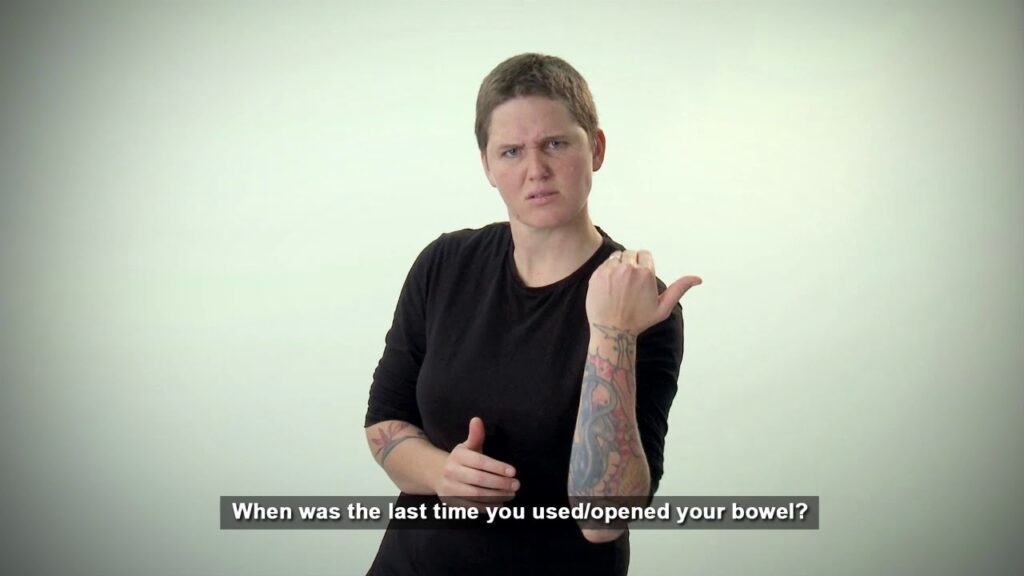
The sign for “diarrhoea” is used in the New Zealand Deaf community to communicate a common health issue. This sign is particularly useful in medical contexts or when discussing personal health matters. Understanding this sign can help ensure clear communication in situations where health is a concern.
Table of Contents
How to Sign “Diarrhoea” in NZSL
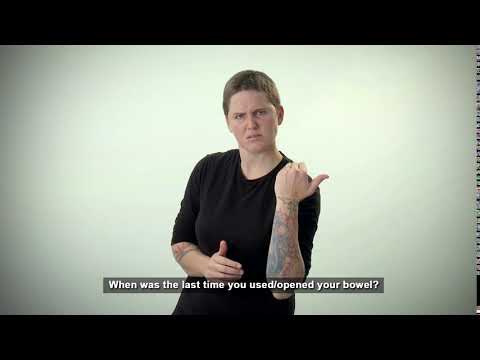
- Start with your dominant hand in a flat shape, palm facing down.
- Position your hand just below your chest, near your stomach area.
- Move your hand in a downward motion, mimicking the flow or movement associated with diarrhoea.
- Maintain a neutral or serious facial expression to convey the seriousness of the topic.
Common Mistakes
- Using the wrong hand shape; learners may forget to keep the hand flat.
- Moving the hand too high, which can change the meaning of the sign.
- Over-exaggerating the movement, which can lead to misunderstandings.
NZSL vs ASL
In NZSL, the sign for “diarrhoea” focuses on a downward movement to represent the condition. In contrast, ASL uses a different sign that may involve a different hand shape and movement. This reflects the unique development of NZSL, which incorporates influences from British Sign Language and te reo Māori.
Related Signs
- (All Of) You – A general sign for addressing a group.
- (Baby’s) Dummy – Used when discussing infant care.
- (Be) Careful – Important for health and safety discussions.
Using “Diarrhoea” in Everyday Conversations
In everyday conversations, the sign for “diarrhoea” may come up in various contexts, particularly when discussing health or wellness. Here are a few example sentences that illustrate its use:
- “I have diarrhoea, so I can’t go out today.” — This might be used when explaining to friends why you are unable to join them for an outing.
- “The kids have diarrhoea after eating that food.” — This could arise in a discussion about a recent meal or event where food safety is a concern.
- “My doctor said to drink plenty of water if I have diarrhoea.” — This might be part of a conversation about health advice or medical appointments.
Using the sign appropriately in these situations helps ensure clear communication about health issues within the Deaf community.
Cultural Notes
In the New Zealand Deaf community, NZSL is an integral part of cultural identity and communication. Recognised as an official language of New Zealand since 2006, NZSL holds a significant place alongside te reo Māori. This connection reflects the respect for both indigenous and Deaf cultures within New Zealand.
When discussing health-related topics like “diarrhoea,” it’s essential to be mindful of the cultural context and how these conversations can influence perceptions of health and well-being in the community. The use of NZSL can foster a sense of belonging and understanding among Deaf individuals, reinforcing the importance of culturally sensitive communication.
Tips for Learning This Sign
Practicing the sign for “diarrhoea” can be easier and more effective with a few helpful techniques:
- Mirror Practice: Use a mirror to watch your own signing. This helps you refine your movements and ensure accuracy.
- Facial Expressions: Pay attention to your facial expressions when signing. They add context and emotion, making your communication clearer.
- Use in Sentences: Incorporate the sign into short signed sentences during practice. This will help you remember the sign and understand its context better.
Integrating these practices into your learning routine will not only help you remember the sign but also enhance your overall NZSL skills.
Frequently Asked Questions
How can I use “diarrhoea” in a sentence?
You can say, “I have diarrhoea” by signing “I” (point to yourself) followed by the sign for “diarrhoea.”
Are there regional variations for this sign in NZ?
The sign is generally consistent across New Zealand, but some regional variations may exist in the movement or handshape.
What are some similar signs?
Related signs include “sick” and “stomach ache,” which may also be useful when discussing health issues.
Are there tips for learning this sign?
Practice with a partner and watch video demonstrations to improve your accuracy and confidence.
Can I use this sign in formal settings?
Yes, this sign is appropriate in both casual and formal settings, especially in medical contexts.
What facial expressions should I use?
Keep a neutral or serious expression to convey the nature of the topic, as facial expressions play a crucial role in NZSL.
Practice This Sign
Try signing Diarrhoea with your camera and get AI coaching on your handshape, movement, and location.
Free · No signup required