
Dickhead (Māori: heahea, rorirori) in New Zealand Sign Language (NZSL)
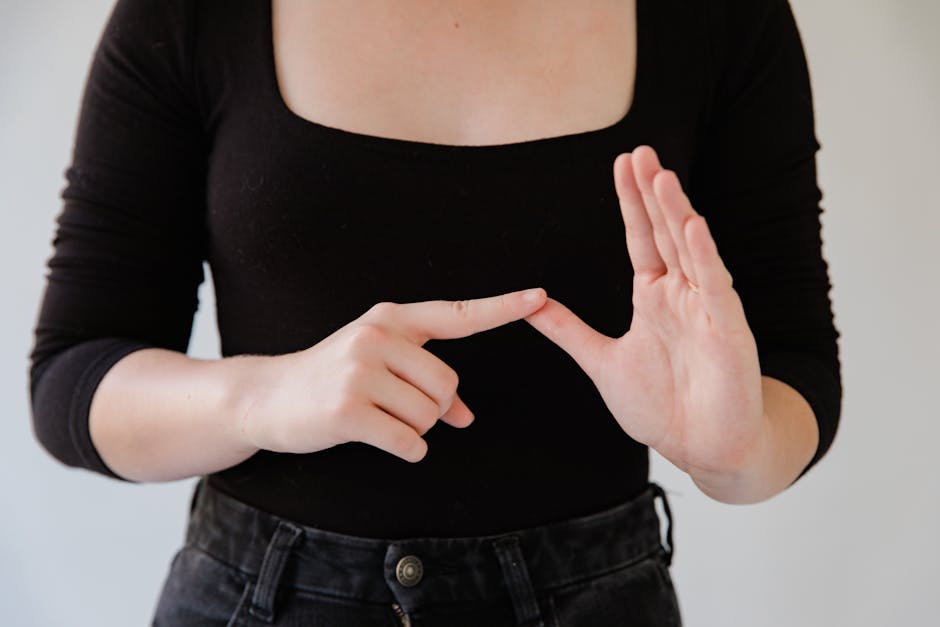
The sign “dickheadheahea, rorirorinoun” is commonly used in the New Zealand Deaf community to express frustration or to describe someone acting foolishly. This term can be playful or serious, depending on the context, and is often used among friends in a teasing manner. Understanding the nuance of this sign is important for effective communication within the community.
Table of Contents
How to Sign “Dickheadheahea, Rorirorinoun” in NZSL
- Start with your dominant hand in a fist shape, with the thumb extended (like a “thumbs up”).
- Position your hand just in front of your forehead, with your palm facing away from you.
- With a facial expression that conveys annoyance or playfulness, make a quick movement away from your forehead, as if flicking something off.
- As you flick your hand outward, slightly move your head back to emphasize the action.
- Maintain eye contact and a suitable facial expression to convey the intended tone of your message.
Common Mistakes
- Forgetting to express the appropriate facial expression, which is crucial for conveying the meaning of the sign.
- Using an open hand instead of a fist, which changes the sign’s interpretation.
- Performing the movement too slowly, which can make it lose its intended impact.
NZSL vs ASL
In NZSL, “dickheadheahea, rorirorinoun” has a specific cultural context and is used to reflect local expressions. In contrast, ASL does not have a direct equivalent for this sign, often using different expressions to convey similar sentiments. Understanding these differences highlights the unique aspects of NZSL influenced by local culture.
Related Signs
- (All Of) You – A sign used to refer to a group.
- (Baby’S) Dummy – Referring to a baby’s pacifier.
- (Be) Careful – A sign to advise caution.
Frequently Asked Questions
How can I use “dickheadheahea, rorirorinoun” in a sentence?
You might use it to say, “That guy is a real dickheadheahea when he doesn’t listen,” using the sign to emphasize your frustration.
Are there regional variations for this sign across New Zealand?
While the sign is generally understood throughout New Zealand, some regions may have slightly different gestures or expressions associated with it.
Are there similar signs in NZSL?
There are other informal signs that convey frustration or annoyance, but “dickheadheahea” is quite unique in its cultural context.
What tips do you have for learning this sign?
Practice in front of a mirror to ensure your facial expressions match the sign’s meaning and consider learning from native NZSL users.
Can I use this sign in formal situations?
This sign is generally informal and should be used with caution in formal settings, as it may not be well-received.
What if I forget how to sign it?
Don’t worry! Just describe the action verbally, and you can always ask others for help or clarification.
Practice This Sign
Try signing Dickheadheahea, Rorirorinoun with your camera and get AI coaching on your handshape, movement, and location.
Free · No signup required