
Dickhead (noun) in New Zealand Sign Language (NZSL)
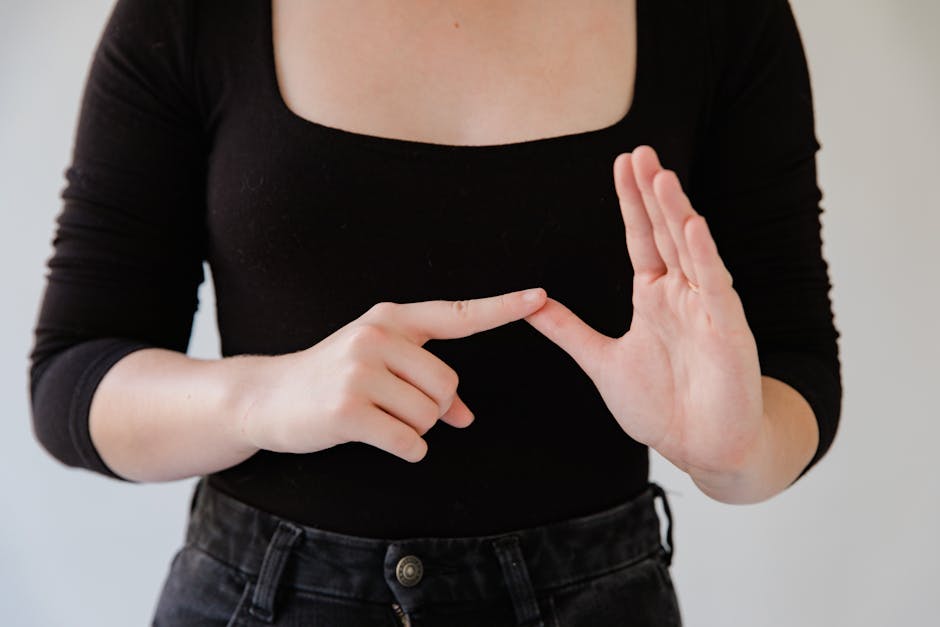
“Dickheadidiotheahea, rorirorinoun” is a playful and slightly cheeky sign used in the NZ Deaf community to describe someone who is acting foolishly or annoyingly. It combines elements of humor and light-hearted teasing, often used among friends or in a casual setting. This sign showcases the expressive nature of NZSL and reflects the camaraderie within the community.
Table of Contents
How to Sign “Dickheadidiotheahea, Rorirorinoun” in NZSL
- Start with your dominant hand in a claw shape (fingers curled), with your palm facing towards your body.
- Position your hand just in front of your forehead, as if you are playfully pointing at your head.
- Move your hand slightly away from your forehead while shaking your head side to side, indicating disapproval or teasing.
- Maintain a light-hearted facial expression, perhaps with a smirk or raised eyebrows, to convey the playful intent of the sign.
Common Mistakes
- Using a flat hand instead of a claw shape—this changes the meaning significantly.
- Not using facial expressions; the emotional aspect is key in conveying the playful nature.
- Performing the sign too seriously, which can make it seem more insulting than humorous.
NZSL vs ASL
In NZSL, “dickheadidiotheahea” incorporates specific regional gestures and cultural nuances that may not have a direct equivalent in American Sign Language (ASL). While ASL may use a more straightforward sign for similar sentiments, NZSL often blends humor and expressive movements that reflect local culture.
Related Signs
- (All Of) You – A sign used to refer to a group of people.
- (All Of) Youyou Allkoutou (Katoa)Pronoun – An inclusive way to address multiple people.
- (Baby’S) Dummy – A sign for a baby’s pacifier, often used in family contexts.
- (Be) Careful – A sign to advise caution, reflecting concern.
- (Be) Passive – A sign to express passivity or lack of action.
Frequently Asked Questions
Can I use this sign in formal settings?
This sign is best used in informal contexts, among friends, as it carries a playful tone.
Are there regional variations of this sign in New Zealand?
While the sign is generally understood, some regions may have slight variations in hand shape or movement.
What are some similar signs in NZSL?
Other playful signs like “clown” or “silly” might convey similar meanings in a light-hearted context.
Can I combine this sign with others in a sentence?
Yes, using this sign with others can create a humorous description of a situation or person.
What tips do you have for learning this sign?
Practice with friends and focus on the facial expressions to capture the playful essence of the sign.
Is this sign understood by Deaf people from other countries?
While the general concept may be understood, the specific sign might not be recognized outside of NZSL.
Practice This Sign
Try signing Dickheadidiotheahea, Rorirorinoun with your camera and get AI coaching on your handshape, movement, and location.
Free · No signup required