
Denture (noun) in New Zealand Sign Language (NZSL)
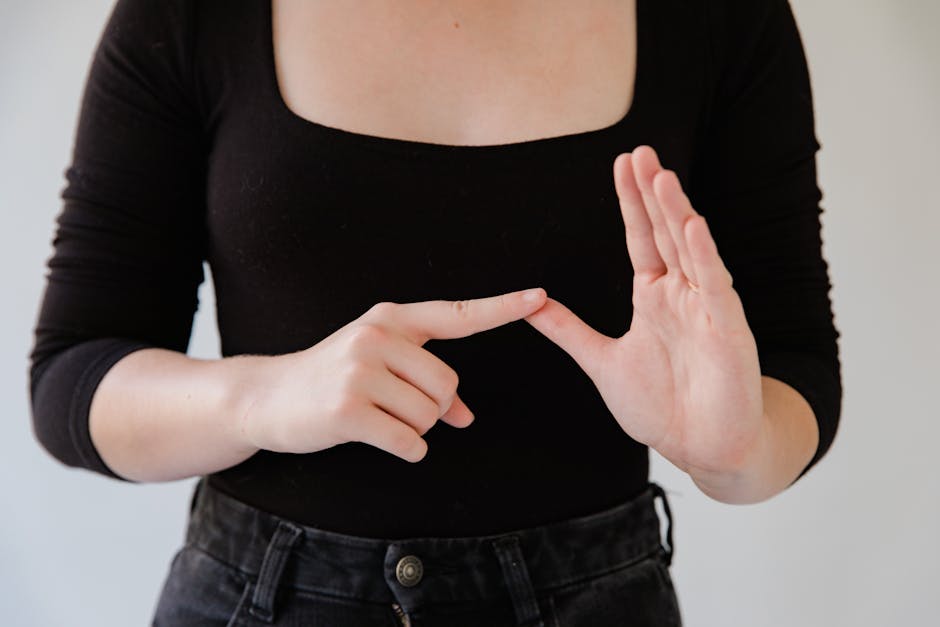
The sign for “denture” or “false teeth” (niho more, niho kēhua) is commonly used within the NZ Deaf community when discussing dental health, personal care, or when referring to someone who wears dentures. This sign can also be relevant in conversations about aging and health. It reflects the importance of clear communication about personal care and well-being in everyday life.
Table of Contents
How to Sign “Denturefalse Teethniho More, Niho KēHuanoun” in NZSL
- Start with your dominant hand in a “flat hand” shape, palm facing down.
- Position your hand near your mouth, approximately at cheek level.
- Using your dominant hand, make a small outward movement away from your mouth, mimicking the action of removing dentures.
- Facial expression is key; show a relaxed or neutral expression to convey the action clearly.
Common Mistakes
- Not using the correct handshape; learners often use a fist instead of a flat hand.
- Failing to maintain the appropriate facial expression, which can make the sign less clear.
- Not positioning the hand close enough to the mouth, losing the context of the sign.
NZSL vs ASL
In NZSL, the sign for “denture” is performed with a specific handshape and movement that is distinct from ASL. While ASL may use a different handshape or location, NZSL incorporates unique features that reflect the cultural context of New Zealand, including influences from te reo Māori.
Related Signs
- (Baby’s) Dummy – Refers to a pacifier used by infants.
- (Be) Careful – A general sign used to indicate caution.
- (Be) Born, (Give) Birth – Pertains to childbirth and new life.
- (All Of) You – Used to refer to a group of people.
Frequently Asked Questions
Can I use this sign in a sentence?
Yes, you can use it in sentences like “I need to clean my dentures.” Sign “I” + “need” + “clean” + “denture.”
Are there regional variations for this sign in NZ?
The sign for dentures is generally consistent, but some regional variations may exist in the handshape or movement style among different Deaf communities.
What is a similar sign to “denture”?
The sign for “(baby’s) dummy” is similar as it also refers to a personal item related to oral care.
What tips do you have for learning this sign?
Practice in front of a mirror to ensure your handshape and facial expressions are accurate. Watching native signers can also help.
Is there a sign for “false teeth” in te reo Māori?
While there may not be a direct equivalent, using “niho” (teeth) can help convey the concept in te reo Māori contexts.
How do I ask someone if they wear dentures?
You can sign “you” + “wear” + “denture” to ask if someone uses dentures.
What facial expressions should I use with this sign?
Maintain a neutral or relaxed expression to match the context of the sign. Your expression helps convey the meaning clearly.
Practice This Sign
Try signing Denturefalse Teethniho More, Niho KēHuanoun with your camera and get AI coaching on your handshape, movement, and location.
Free · No signup required