
Doll (Māori: tāre) in New Zealand Sign Language (NZSL)
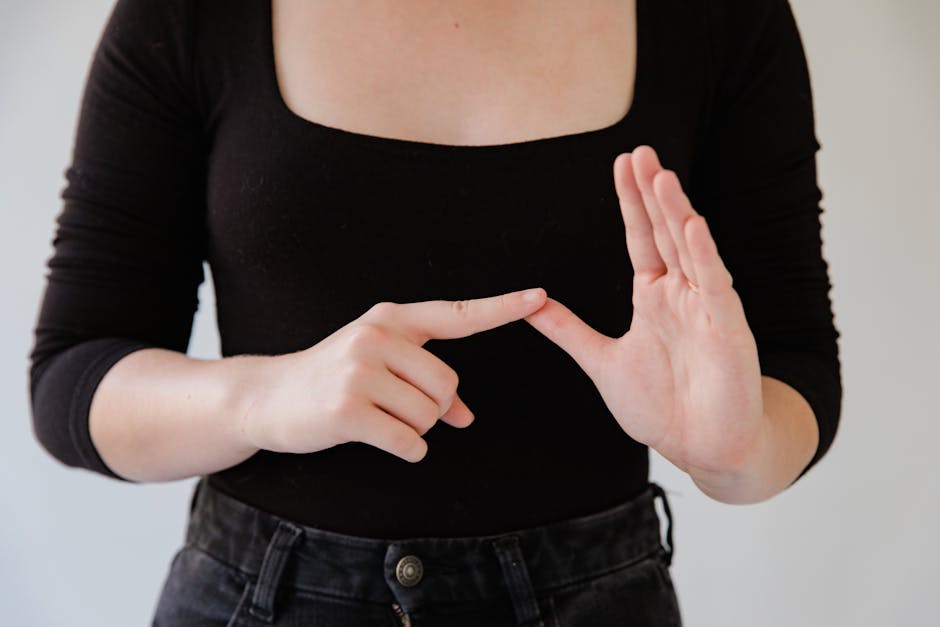
The sign for “doll” in NZSL is a lovely way to express a common childhood favorite. It’s often used when talking about toys, playtime, or family life, and it holds a special place in many Deaf children’s hearts in New Zealand. This sign reflects both the playful nature of childhood and the cultural significance of toys in family interactions.
Table of Contents
How to Sign “DolltāRenoun” in NZSL
- Begin by holding your non-dominant hand out in front of you, palm facing up, as if cradling something.
- With your dominant hand, form a “D” shape (index finger up, other fingers curled into your palm).
- Place the “D” shape on the palm of your non-dominant hand, mimicking the action of placing a doll into a cradle.
- Gently rock your non-dominant hand back and forth to convey a sense of nurturing or playfulness.
- Maintain a joyful facial expression to capture the essence of playing with a doll.
Common Mistakes
- Forgetting to use a non-dominant hand, which can lead to confusion about the sign’s meaning.
- Not rocking the non-dominant hand, which may make the sign feel incomplete or less expressive.
- Using a flat hand instead of the “D” handshape, which can change the meaning entirely.
NZSL vs ASL
In NZSL, the sign for “doll” incorporates a nurturing motion, whereas in ASL, the sign tends to be more straightforward and may not involve the same level of expressive movement. This reflects the unique cultural influences and the emphasis on expression in NZSL.
Related Signs
- (Baby’S) Dummy – A common sign for the pacifier used by infants.
- (Baby’S) Dummypacifiertāminoun – Another term for pacifier, integrating te reo Māori.
- (Be) Born, (Give) Birth – Related to family life and the arrival of children.
- (All Of) You – A sign for inclusivity, often used when referring to family or friends.
- (Be) Careful – Important during playtime to ensure safety.
Frequently Asked Questions
How can I use “doll” in a NZSL sentence?
You could say, “I have a doll,” by signing “I” (point to yourself), then the “doll” sign.
Are there regional variations for the sign “doll” in NZ?
While “doll” is widely understood, some regions may have subtle variations in movement or facial expression.
What other signs are similar to “doll”?
Signs like “toys” and “play” have similar contexts and can enhance your storytelling about childhood.
Can I use this sign for different types of dolls?
Yes, you can use “doll” for various types, but you might add more detail if needed, like specifying “baby doll.”
What tips do you have for learning this sign?
Practice in front of a mirror to watch your facial expressions and hand movements. Also, use it in conversations to reinforce learning.
Is this sign used by both children and adults?
Yes, adults might use the sign when discussing toys or reminiscing about childhood, making it a versatile sign.
Practice This Sign
Try signing DolltāRenoun with your camera and get AI coaching on your handshape, movement, and location.
Free · No signup required