
Plural in New Zealand Sign Language (NZSL)
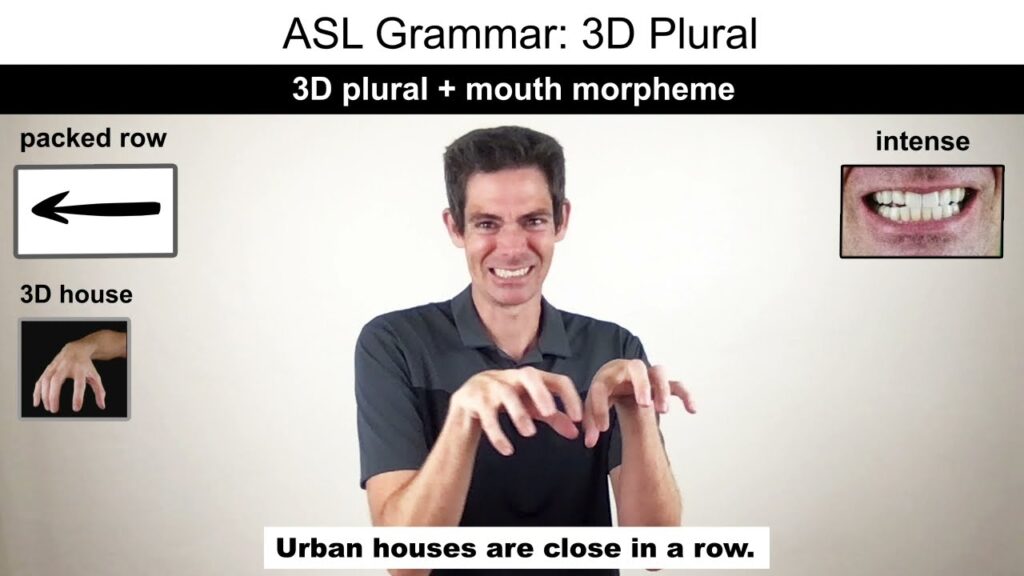
The sign for “plural” in NZSL is used to indicate multiple items or people. It’s commonly used in everyday conversation within the Deaf community, especially when discussing groups or collections. Understanding how to express plurality is essential for clear communication in New Zealand Sign Language.
Table of Contents
How to Sign “Plural” in NZSL
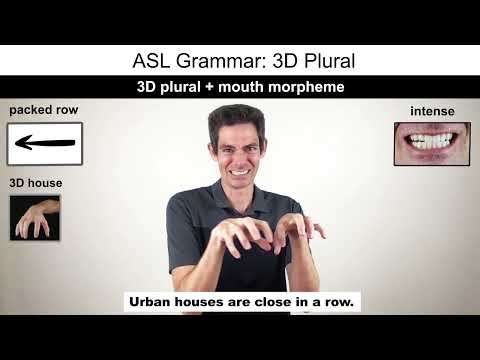
- Start with your dominant hand in a flat handshape (like a “B” handshape).
- Position your hand in front of your chest, palm facing down.
- Move your hand outward, away from your body, while slightly bending your elbow.
- As you move your hand, you can also nod your head to emphasize the plural meaning.
Common Mistakes
- Using a singular handshape when indicating multiple items.
- Not moving the hand far enough away from the body, which can confuse the meaning.
- Forgetting to use facial expressions, which are crucial for conveying the plurality in NZSL.
NZSL vs ASL
In NZSL, the sign for “plural” involves a specific handshape and movement that differs from ASL. While ASL may use a different sign or a combination of signs to express plurality, NZSL relies on the outward movement of the flat handshape to convey the concept effectively.
Related Signs
- (All Of) You – Used to refer to a group of people collectively.
- (Baby’s) Dummy – A sign related to a common object for infants, often used in plural contexts.
- (Be) Born, (Give) Birth – A sign that can be used when discussing families or groups of children.
Frequently Asked Questions
How do I use “plural” in a NZSL sentence?
You can use the sign for “plural” in a sentence like “I have three apples,” where you would sign “I” + “have” + “3” + “plural” to indicate multiple apples.
Are there regional variations for the sign “plural” in NZ?
While the sign for “plural” is generally consistent across New Zealand, some regions may have slight variations in movement or speed. It’s always good to check with local Deaf community members.
What other signs are similar to “plural”?
Signs like “many,” “few,” and “all” often relate to plurality and can be used in conjunction with the “plural” sign for clarity.
What tips can you share for mastering this sign?
Practice with groups, use visual aids, and engage with native NZSL users to improve your skills and understanding of plural signs.
Is facial expression important when signing “plural”?
Yes, facial expressions add emphasis and context, making your sign clearer and more engaging for the viewer.
Can I use “plural” to refer to abstract concepts?
Yes, “plural” can also apply to abstract concepts, such as feelings or ideas, when you want to express them in a collective sense.
Practice This Sign
Try signing Plural with your camera and get AI coaching on your handshape, movement, and location.
Free · No signup required