
Dear (adjective) in New Zealand Sign Language (NZSL)
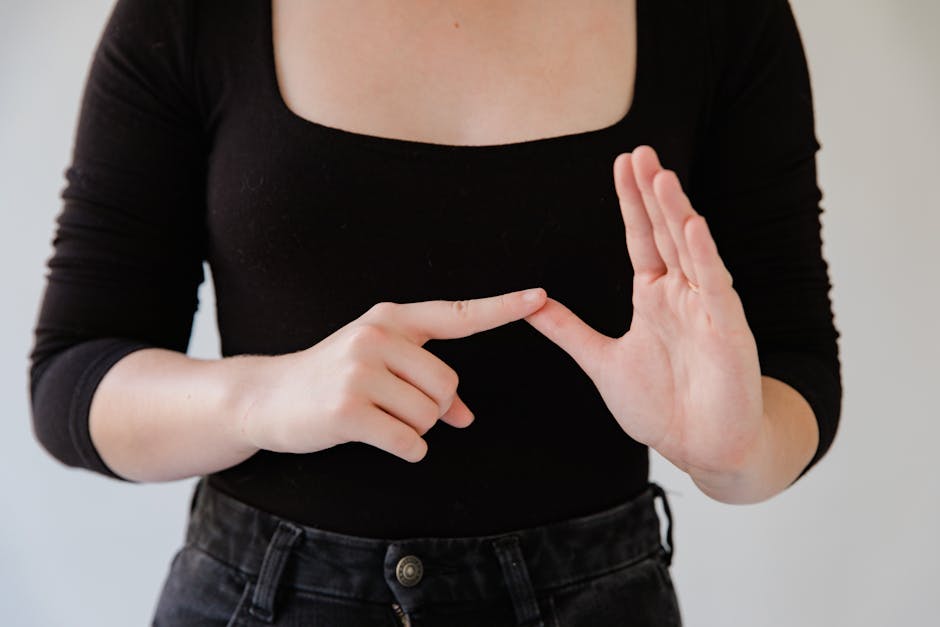
The sign for “dear,” “affection,” “beloved,” or “darling” in NZSL conveys a sense of warmth and closeness, often used in affectionate contexts. It’s a lovely way to express feelings for someone special, whether in conversation or when addressing loved ones. In the NZ Deaf community, this sign can often be seen in both casual and formal expressions of love, friendship, or fondness.
Table of Contents
How to Sign “Dearaffection, Beloved, Darlinge Kare, E Te Tau, E Hikaadjective; Noun” in NZSL
- Start with your dominant hand in a flat “B” handshape (palm facing inwards).
- Position your hand near your heart to signify affection.
- Gently move your hand away from your heart, maintaining the “B” handshape, as if you are offering your affection outwards.
- Facial expressions are important; smile softly to convey warmth and love.
Common Mistakes
- Forgetting to use facial expressions, which are crucial in conveying emotion in NZSL.
- Using an incorrect handshape; ensure you maintain a flat “B” shape throughout the sign.
- Rushing the movement; this sign should be fluid and gentle, reflecting the affectionate intent.
NZSL vs ASL
In NZSL, the sign for “dear” involves a specific handshape and movement that reflects the warmth of affection. In contrast, ASL may use a different handshape or motion to convey similar feelings. The cultural context and expression differ, showcasing the unique characteristics of each sign language.
Related Signs
- Love – A fundamental sign for expressing deep affection.
- Friend – A sign for someone you hold dear in friendship.
- Happy – Often used in conjunction with affectionate signs to show joy.
- Family – Represents the loved ones in your life.
- Hug – A physical expression of love and care.
Frequently Asked Questions
How can I use this sign in a sentence?
You can use it like this: “You are my dear,” by signing “You” followed by the sign for “dear.”
Are there regional variations in this sign across New Zealand?
Most regions use this sign similarly, but individual expressions may vary slightly based on local dialects.
What are some similar signs to “dear”?
Signs like “love” and “beloved” are closely related and can convey similar sentiments.
What tips do you have for learning this sign?
Practice in front of a mirror to ensure your handshape and facial expressions match the intended meaning.
Can this sign be used in formal settings?
Yes, it’s appropriate in both casual and formal contexts when expressing affection.
Is there a sign for ‘darling’?
The sign for “dear” can often be used interchangeably with “darling” in NZSL.
Practice This Sign
Try signing Dearaffection, Beloved, Darlinge Kare, E Te Tau, E Hikaadjective; Noun with your camera and get AI coaching on your handshape, movement, and location.
Free · No signup required