
Dysuria (adjective) in New Zealand Sign Language (NZSL)
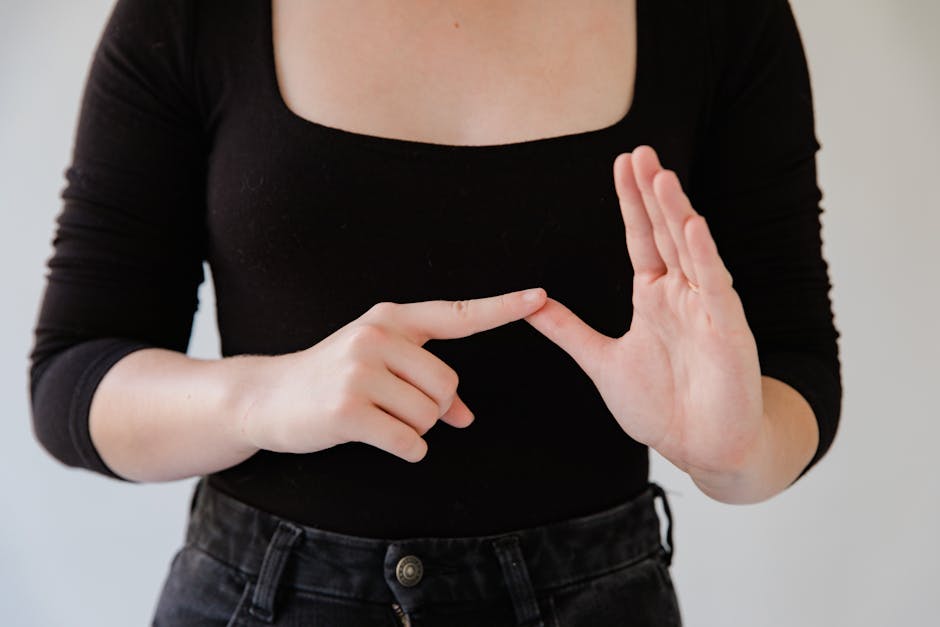
The sign for “dysuria” refers to the experience of painful urination, a term that may not be frequently used in everyday conversation but is important in medical contexts. In the New Zealand Deaf community, this sign is often used during discussions about health or when visiting a healthcare provider. Understanding this sign can help facilitate clear communication regarding health issues.
Table of Contents
How to Sign “Dysuriapainful Urinationhe Mamae Ki Te Mimi, He Uaua Ki Te Mimiadjective; Verb” in NZSL
- Start with your dominant hand in a flat handshape, palm facing down.
- Position your hand near your lower abdomen, just above your hips.
- Make a small, circular motion with your hand while keeping the fingers together. This indicates discomfort.
- Simultaneously, your facial expression should reflect a sense of pain or discomfort, as this adds context to the sign.
Common Mistakes
- Some learners may forget to incorporate facial expressions, which are crucial for conveying meaning in NZSL.
- Using an incorrect handshape, such as pointing instead of a flat hand, can lead to confusion.
- Omitting the circular motion can make the sign unclear, as it is essential to demonstrate the nature of the pain.
NZSL vs ASL
In NZSL, the sign for “dysuria” focuses on the physical sensation and location, which may differ from ASL. ASL might have a different sign that does not include the same facial expressions or hand movements. Additionally, NZSL incorporates elements of te reo Māori, reflecting its unique cultural context.
Related Signs
- (Be) Careful – A sign indicating caution or warning.
- (Baby’S) Dummy – Referring to a pacifier used for babies.
- (Be) Born, (Give) Birth – Related to childbirth and pregnancy discussions.
- (Be) Passive – Expressing a state of being or lack of action.
Frequently Asked Questions
How can I use this sign in a sentence?
You can use it in a sentence like: “I feel dysuria when I go to the bathroom,” which helps to express the condition clearly.
Are there regional variations of this sign in NZ?
While the sign is generally consistent, some regions may have slight variations in hand movement or facial expression based on local Deaf culture.
What similar signs should I learn?
Learning signs related to health, such as pain or discomfort, can be beneficial. Signs like (Be) Careful may also be relevant.
Can children learn this sign?
Yes, children can learn this sign, especially in contexts related to health education or when discussing feelings of discomfort.
What tips do you have for learning NZSL?
Practice regularly, engage with the Deaf community, and use resources like videos to improve your skills and understanding.
Practice This Sign
Try signing Dysuriapainful Urinationhe Mamae Ki Te Mimi, He Uaua Ki Te Mimiadjective; Verb with your camera and get AI coaching on your handshape, movement, and location.
Free · No signup required