
Coat, Put on (coat)cardigan, Jacket, Overcoat, Raincoatkoti, Kuhuna (te Koti)noun; Verb in New Zealand Sign Language (NZSL)
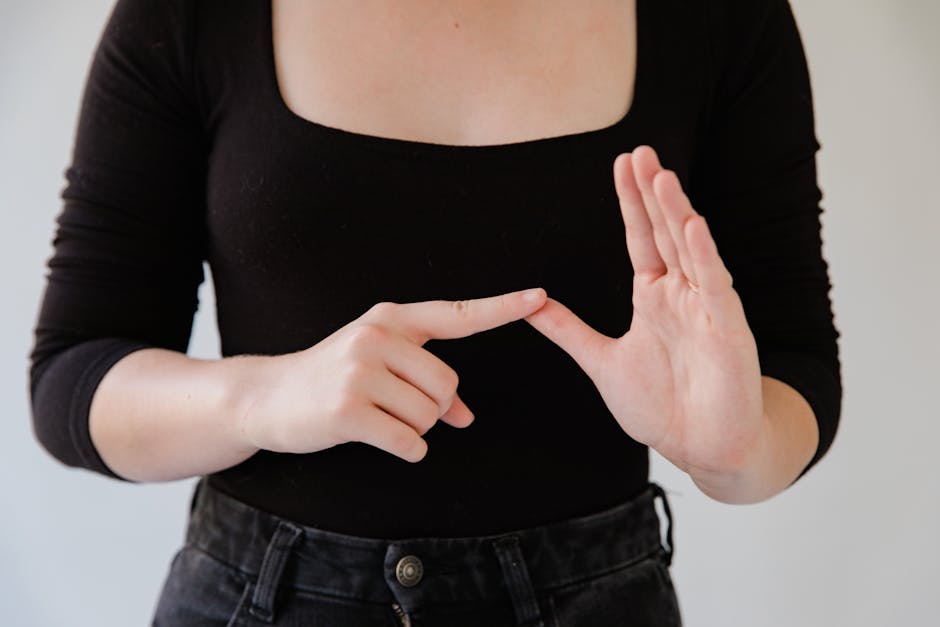
The sign for “coat” in NZSL is versatile and can refer to various types of outerwear, such as jackets, cardigans, and raincoats. It’s commonly used in everyday conversations within the Deaf community, especially during seasons when these garments are frequently worn. This sign also reflects the cultural significance of clothing in relation to weather and personal expression.
Table of Contents
How to Sign “Coat, Put On (Coat)Cardigan, Jacket, Overcoat, Raincoatkoti, Kuhuna (Te Koti)Noun; Verb” in NZSL
- Start with both hands in front of you, palms facing down. Your fingers should be slightly apart.
- Move your hands outward and slightly up as if you are putting on a coat, simulating the action of wearing it.
- As you move your hands, keep your facial expression neutral or friendly, reflecting the action of putting on the coat.
- Finish the sign by bringing your hands back down to your sides, maintaining a relaxed posture.
Common Mistakes
One common mistake is using a flat hand instead of the correct handshape, which can make the sign unclear. Additionally, some learners may forget to incorporate facial expressions, which are important in NZSL for conveying meaning and emotion. Lastly, not moving the hands in a circular motion can lead to confusion about the action being performed.
NZSL vs ASL
In NZSL, the sign for “coat” is performed with a specific handshape and movement that differs from ASL. ASL may use a different handshape or directionality, reflecting the unique influences and characteristics of each sign language. NZSL incorporates elements from British Sign Language (BSL) and te reo Māori, highlighting its distinct cultural identity.
Related Signs
- Jacket – A sign for outerwear typically worn for warmth.
- Raincoat – A specific sign for a coat designed to protect against rain.
- Cardigan – A sign used for a knitted or woven garment that opens in the front.
- Wear – A general sign for putting on or having clothing on your body.
Frequently Asked Questions
How do I use “coat” in a sentence?
You can say, “I am putting on my coat” by combining the sign for “I,” the sign for “put on,” and the sign for “coat.”
Are there regional variations for this sign in New Zealand?
While the sign is generally consistent across New Zealand, some regions may have slight variations in movement or handshape.
What is a similar sign to “coat”?
The sign for “jacket” is quite similar in movement but may involve a different handshape or position.
Can I learn this sign easily?
Yes, with practice, this sign can be easily learned. Watching demonstrations and practicing with a partner can help.
What facial expressions should I use?
Use neutral or friendly facial expressions when signing “coat,” as this enhances communication and clarity.
How can I practice this sign effectively?
Practice in front of a mirror to ensure your hand movements and facial expressions are accurate.
Practice This Sign
Try signing Coat, Put On (Coat)Cardigan, Jacket, Overcoat, Raincoatkoti, Kuhuna (Te Koti)Noun; Verb with your camera and get AI coaching on your handshape, movement, and location.
Free · No signup required