
Massage (variant) in New Zealand Sign Language (NZSL)
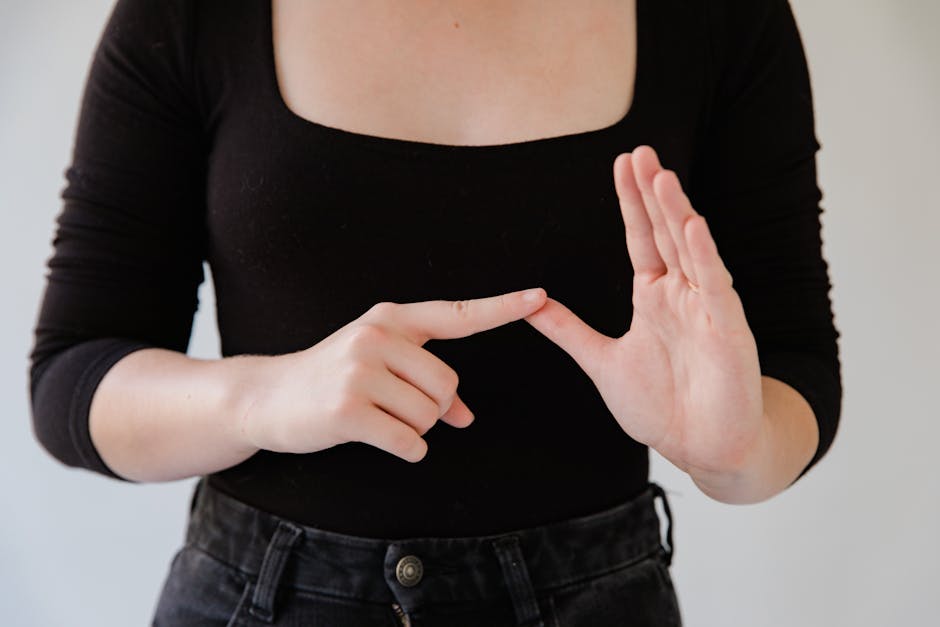
The NZSL sign for “massage” refers to a physical object that is commonly used to convey comfort or relaxation. It’s often used in contexts related to self-care, massage, or wellness within the New Zealand Deaf community.
Table of Contents
How to Sign “Masseynoun” in NZSL
- Start with your dominant hand in a flat handshape (like a ‘B‘ handshape).
- Position your hand at the center of your chest, palm facing towards your body.
- Gently move your hand in a circular motion, simulating the motion of a massage.
- While signing, maintain a relaxed facial expression to convey the soothing nature of the sign.
Common Mistakes
- Forgetting to use a relaxed handshape, which can make the sign look stiff.
- Using an exaggerated or fast movement instead of a gentle circular motion.
- Not matching the facial expression to the sign’s meaning, which can lead to confusion.
NZSL vs ASL
In NZSL, the sign for “masseynoun” involves a flat handshape and a specific circular motion. In contrast, ASL may use different handshapes and movements to represent similar concepts. This highlights the unique evolution of NZSL influenced by its own cultural and linguistic context, including influences from British Sign Language (BSL) and te reo Māori.
Related Signs
- (Baby’s) Dummy – A sign for a pacifier used for infants.
- (Be) Careful – A sign used to express caution.
- (Be) Born, (Give) Birth – Related to the process of childbirth.
Using “Masseynoun” in Everyday Conversations
The sign “Masseynoun” can be integrated into various everyday conversations, particularly in contexts related to education, music, and social gatherings. Here are a few example sentences that illustrate its use:
- Example 1: “I am studying Masseynoun in my music class.” (sign: “I” + “study” + “Masseynoun” + “music class”)
- Example 2: “Can you play a Masseynoun piece tonight?” (sign: “You” + “play” + “Masseynoun” + “piece” + “tonight”)
- Example 3: “Masseynoun helps me feel the rhythm.” (sign: “Masseynoun” + “help” + “I” + “feel” + “rhythm”)
These sentences showcase how “Masseynoun” can be seamlessly integrated into discussions about music, education, and personal interests within the Deaf community.
Cultural Notes
The sign “Masseynoun” holds significance within the New Zealand Deaf community, reflecting the rich tapestry of Deaf culture. Since NZSL was recognized as an official language of New Zealand in 2006, it has fostered a greater understanding and appreciation of Deaf identity and culture. This recognition has empowered the community, allowing for a stronger emphasis on cultural expressions such as music and performance.
Additionally, “Masseynoun” connects to the broader cultural context of te reo Māori, as both languages share an appreciation for rhythm and expression through movement. This connection highlights the importance of inclusivity and collaboration between cultures within New Zealand, particularly in creative fields where music and art are celebrated. Regional variations in the use of NZSL can also affect how “Masseynoun” is signed, showcasing the diversity within the community.
Tips for Learning This Sign
To effectively learn and remember the sign “Masseynoun,” consider incorporating the following practices into your routine:
- Mirror Practice: Use a mirror to practice the sign, ensuring that your hand movements and facial expressions are accurate. This reflection helps in self-correction and builds confidence.
- Focus on Facial Expressions: Pay close attention to your facial expressions while signing. They convey emotion and intent, enhancing the meaning of “Masseynoun” in conversation.
- Use in Context: Create short signed sentences incorporating “Masseynoun.” Practicing in context helps reinforce memory and usage, making it easier to recall the sign in natural conversations.
These strategies will enhance your learning experience and help you feel more comfortable using “Masseynoun” in everyday life.
Frequently Asked Questions
How can I use “masseynoun” in a sentence?
You can say, “I need a massage” using the sign for “masseynoun” while expressing your desire for relaxation.
Are there regional variations for the sign “masseynoun”?
Most regions in New Zealand use the same sign for “masseynoun,” though some local dialects may have slight variations in hand movement.
What are some signs similar to “masseynoun”?
Signs like “relax” or “comfort” convey similar feelings and can be useful in related contexts.
What tips can help me learn this sign?
Practice in front of a mirror to check your handshape and movement. Also, consider learning from native NZSL users to gain insights into the sign’s nuances.
Can I use “masseynoun” in different contexts?
Yes, “masseynoun” can be used in various contexts related to wellness, self-care, and even during discussions about health services.
Practice This Sign
Try signing Masseynoun with your camera and get AI coaching on your handshape, movement, and location.
Free · No signup required