
Child in New Zealand Sign Language (NZSL)
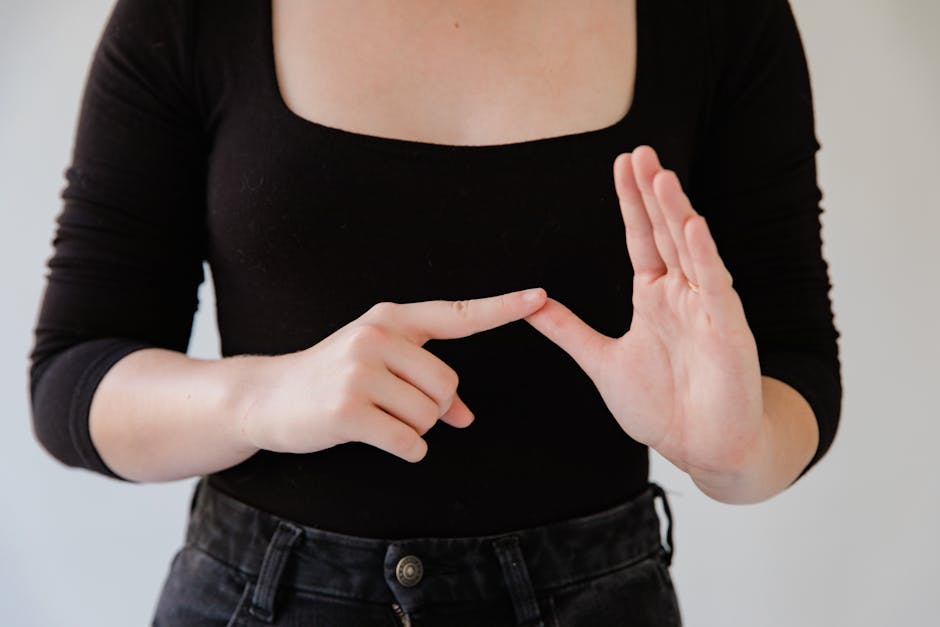
The sign for “childkid, little, small, younge tamariki ana, tamaiti” in NZSL is commonly used to refer to children or young people in a friendly and affectionate way. It conveys warmth and care, reflecting the importance of tamariki (children) in both Deaf and hearing cultures in New Zealand. This sign is often used in educational settings, family discussions, and community gatherings.
Table of Contents
How to Sign “Childkid, Little, Small, Younge Tamariki Ana, Tamaitiadjective; Noun” in NZSL
- Start with your dominant hand in a flat handshape (palm facing down).
- Position your hand at about waist height, in front of your body.
- Move your hand downward in a gentle motion, as if indicating a small size.
- Use a friendly facial expression, such as a smile, to convey warmth and affection.
Common Mistakes
- Not using the correct handshape; ensure your hand is flat and not in a fist.
- Moving the hand too quickly or with too much force; the movement should be gentle.
- Neglecting facial expressions, which are crucial in NZSL for conveying emotions and context.
NZSL vs ASL
In NZSL, the sign for “child” is distinct from ASL. While ASL may use a different handshape or positioning, NZSL incorporates local cultural elements and expressions. This reflects the unique features of NZSL, influenced by both New Zealand’s Deaf culture and te reo Māori.
Related Signs
- (Baby’s) Dummy – A common sign for a child’s pacifier.
- (Be) Born, (Give) Birth – Sign for the act of giving birth.
- (Be) Careful – A sign often used when advising caution, especially around children.
- (All Of) You – A collective reference that can include children.
Frequently Asked Questions
How can I use this sign in a sentence?
You could say, “My child is small,” by signing “my” followed by the sign for “childkid.”
Are there regional variations for this sign in New Zealand?
While the sign is generally consistent, some regions may have slight variations in handshape or movement.
What are some similar signs in NZSL?
Similar signs include “tamariki” (children) and “baby.” These can often be used interchangeably depending on context.
What tips can help me learn this sign better?
Practice in front of a mirror, focus on facial expressions, and watch videos of native NZSL users to understand nuances.
Can I use this sign for both boys and girls?
Yes, the sign is gender-neutral and can be used for any child.
Is this sign appropriate in formal settings?
Yes, it’s suitable for both casual and formal conversations when referring to children.
Practice This Sign
Try signing Childkid, Little, Small, Younge Tamariki Ana, Tamaitiadjective; Noun with your camera and get AI coaching on your handshape, movement, and location.
Free · No signup required