
Waiting in British Sign Language (BSL)
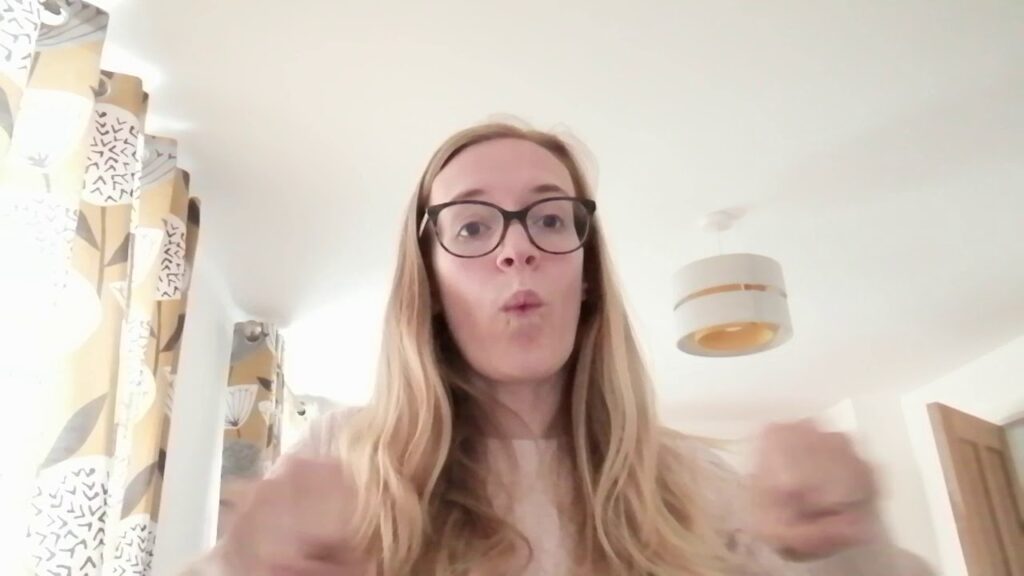
The sign for “waiting” in British Sign Language (BSL) conveys the concept of pausing or staying in one place, often used in everyday situations such as waiting for a bus, a friend, or an appointment. This sign reflects the natural rhythm and flow of communication within the UK Deaf community, where waiting is a common experience.
How to Sign “Waiting” in BSL

- Start with both hands in front of you, palms facing down.
- Form the hands into loose ‘5’ handshapes (fingers spread apart).
- Move both hands slightly downward and then back up, as if bouncing gently.
- Maintain a neutral facial expression; however, a slight raise of your eyebrows can indicate the waiting aspect, showing you are anticipating something.
- Ensure your body is relaxed, and your sign is performed in the space in front of you, allowing for clear visibility.
Common Mistakes
One common mistake is using too rigid a handshape instead of the loose ‘5’ handshape, which can make the sign look unnatural. Another error is failing to incorporate the facial expression, as it plays a crucial role in conveying the meaning of waiting. Lastly, some learners may sign in an unclear space that makes it difficult for others to see the sign clearly.
BSL vs ASL
In American Sign Language (ASL), the sign for “waiting” is different in both handshape and movement. While BSL uses a loose ‘5’ handshape with a gentle bouncing motion, ASL typically employs a more static sign that involves placing the dominant hand in a ‘flat’ shape. This illustrates the distinct grammar and visual language characteristics of BSL and ASL.
Related Signs
- 1 – The sign for the number one.
- 100 – The sign for one hundred.
- 10 – The sign for the number ten.
- 11 – The sign for the number eleven.
- 16 – The sign for the number sixteen.
Frequently Asked Questions
Can “waiting” be used in a complete BSL sentence?
Yes! You can use “waiting” in sentences like “I am waiting for the bus.” In BSL, it would be structured as “BUS, I WAIT.” Remember to use appropriate facial expressions to convey your message effectively.
Are there regional differences in signing “waiting”?
While the sign for “waiting” is generally consistent across the UK, some regions may use slightly different facial expressions or nuances in the movement. It’s always good to observe local signers.
What are some similar signs to “waiting”?
Signs like “pause,” “stop,” or “hold on” may convey similar meanings in context. Each sign has its nuances, so pay attention to the context of use.
Any tips for learning this sign?
Practice in front of a mirror to ensure your handshape and facial expressions are clear. Watching videos of fluent BSL users can also help you grasp the subtlety of the sign.
Can I use “waiting” in different contexts?
Absolutely! “Waiting” can apply to various situations, like waiting for a friend or an event. Adjust your facial expressions to match the context for clarity.
Practice This Sign
Try signing Waiting In Bsl with your camera and get AI coaching on your handshape, movement, and location.
Free · No signup required