
Wake Up in British Sign Language (BSL)
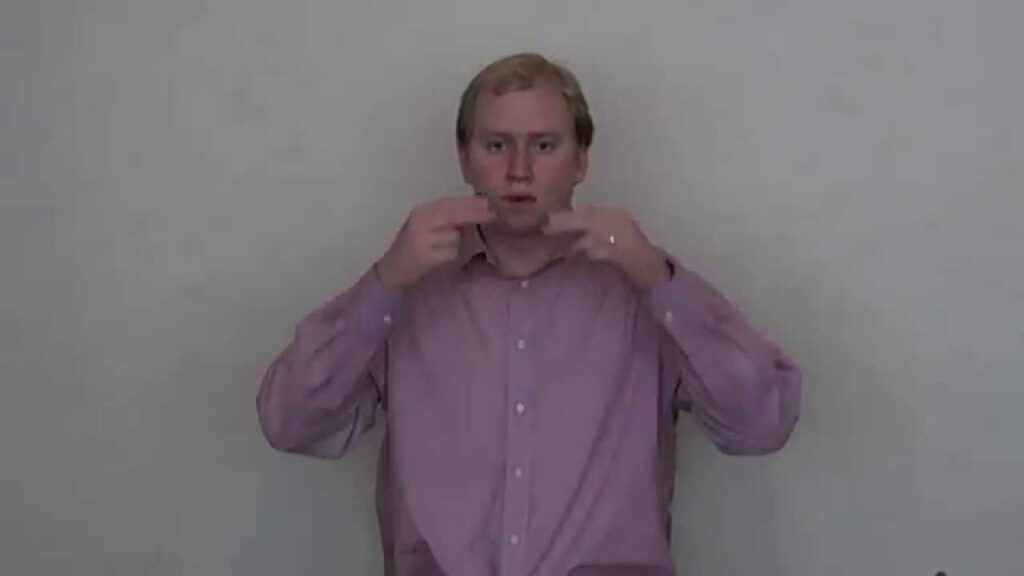
The sign for “wake up” is commonly used in everyday conversations within the UK Deaf community, especially in contexts related to morning routines or when discussing sleep. It’s an expressive sign that conveys the action of waking up, often used with enthusiasm or emphasis when talking about starting the day.
How to Sign “Wake Up” in BSL
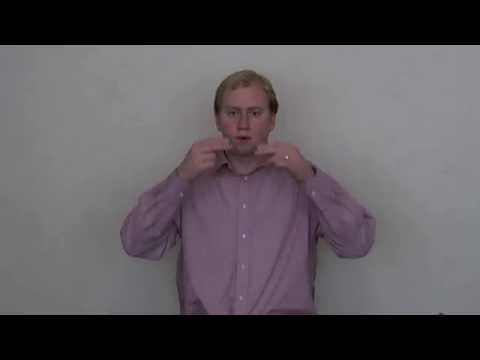
- Start with both hands in a flat shape (like a ‘B’ handshape) and place them on your cheeks, with your fingertips touching your skin.
- As you begin the sign, move your hands away from your face while simultaneously raising them slightly, as if lifting your head off a pillow.
- As your hands move upward, open your eyes wide and raise your eyebrows to show the action of waking up.
- Finish with your hands positioned in front of you, palms facing down, to indicate that you are fully awake.
Common Mistakes
- Forgetting to use non-manual features, such as facial expressions, which are crucial for conveying the meaning and emotion of the sign.
- Not maintaining the correct handshape, leading to confusion with other signs.
- Rushing the movement; the sign should be smooth and fluid to effectively show the action of waking up.
BSL vs ASL
In BSL, the sign for “wake up” is distinct from ASL. While BSL uses a handshape that mimics lifting the head, ASL uses a different gesture that often involves a more direct upward motion with one hand. Understanding these differences highlights the unique characteristics of each sign language.
Related Signs
- Sleep – The sign for resting or sleeping.
- Good Morning – A common greeting used after waking up.
- Night – The sign for the evening or night time.
- Bed – The sign for the place where one sleeps.
- Snooze – Referring to briefly sleeping again after waking up.
Frequently Asked Questions
How can I use “wake up” in a BSL sentence?
You can say, “I wake up at 7 AM” by signing “I” (pointing to yourself), “wake up,” and then signing “7 AM” using the appropriate number signs.
Are there regional variations for this sign?
While “wake up” is generally consistent across the UK, some regions may have slight variations in movement or emphasis. It’s always good to observe local signers.
What are some similar signs to “wake up”?
Similar signs include “sleep” and “good morning,” which are related to daily routines and greetings after waking.
What tips do you have for learning this sign?
Practice in front of a mirror to check your handshape and facial expressions. Watching videos of native signers can also be helpful for understanding nuances.
Can I use this sign to wake someone else up?
Yes, you can use the sign “wake up” directed towards another person to indicate you’re trying to wake them.
What facial expressions should I use?
Use expressive facial features, like raising your eyebrows and widening your eyes, to convey the surprise or excitement of waking up.
Practice This Sign
Try signing Wake Up In Bsl with your camera and get AI coaching on your handshape, movement, and location.
Free · No signup required