
Wake in British Sign Language (BSL)
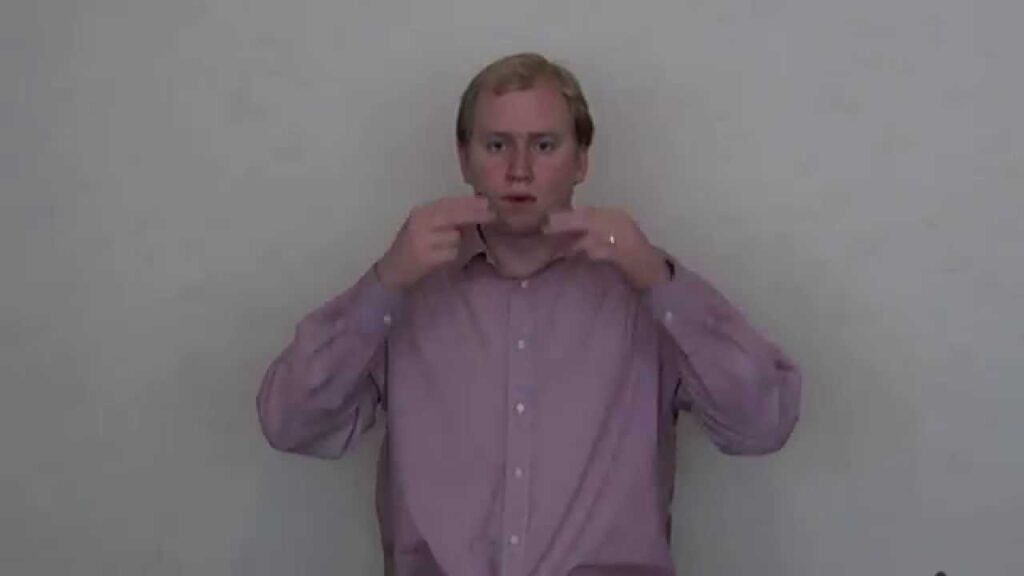
The sign for “wake” in British Sign Language (BSL) is used to express the action of waking up, often in a casual or conversational context. It’s commonly used in everyday conversations among the UK Deaf community, especially when discussing morning routines or the state of being awake.
How to Sign “Wake”
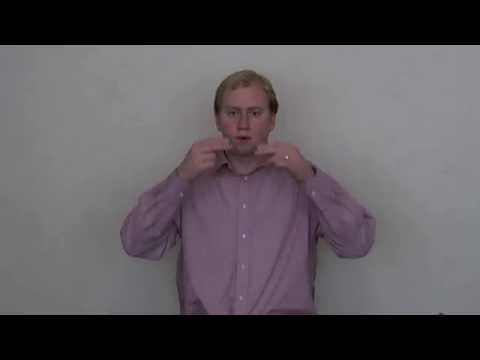
- Start with your dominant hand in a flat ‘B’ shape, palm facing down.
- Position your hand near your forehead, with your fingers pointing towards your face.
- As you sign, move your hand slightly upwards and away from your forehead, mimicking the action of lifting your head off a pillow.
- For non-manual features, raise your eyebrows to indicate the action is happening in the present moment.
- Ensure your facial expression is bright and alert to convey the concept of waking up.
Common Mistakes
- Forgetting to include non-manual features, which can make the sign less expressive.
- Using a flat handshape instead of the correct ‘B’ shape, which can lead to confusion.
- Not moving the hand away from the forehead, which can result in the sign looking incomplete.
BSL vs ASL
In American Sign Language (ASL), the sign for “wake” is different. ASL often uses a one-handed sign that involves bringing the hand from a position near the cheek upwards. This highlights the differences in sign formation and hand movement between the two languages, reflecting their unique grammatical structures.
Related Signs
- Sleep – The sign for going to sleep or being asleep.
- Morning – The sign used to indicate the time of day after waking up.
- Awake – To show that someone is not only awake but alert.
- Alarm – The sign for setting or discussing alarms, often related to waking up.
- Nap – Used when discussing short periods of sleep during the day.
Frequently Asked Questions
How can I use “wake” in a BSL sentence?
You might say “I wake up at 7 am” by signing “I” + “WAKE” + “7 AM”, using the topic-comment structure.
Are there regional variations for the sign “wake” in the UK?
Most regions use a similar sign for “wake,” but some areas may have slight variations in the movement or facial expressions used.
What other signs are similar to “wake”?
Signs like “sleep,” “awake,” and “morning” are closely related and often used together in conversation.
Do you have any tips for learning this sign?
Practice in front of a mirror to check your handshape and facial expressions, and try using it in conversations to reinforce your learning.
Can I see examples of “wake” in context?
Watching videos of Deaf conversations or storytelling can provide context on how “wake” is used in everyday language.
What if I struggle with non-manual features?
Focus on facial expressions separately by practicing in front of a mirror until you feel more comfortable incorporating them into your signs.
Practice This Sign
Try signing Wake In Bsl with your camera and get AI coaching on your handshape, movement, and location.
Free · No signup required