
Obstruct in British Sign Language (BSL)

The sign for “obstruct” in British Sign Language (BSL) conveys the action of blocking or hindering something. It’s commonly used in various contexts, such as discussing physical barriers, communication breakdowns, or interruptions in daily life. Understanding this sign is helpful for effective conversation within the UK Deaf community.
How to Sign “Obstruct”
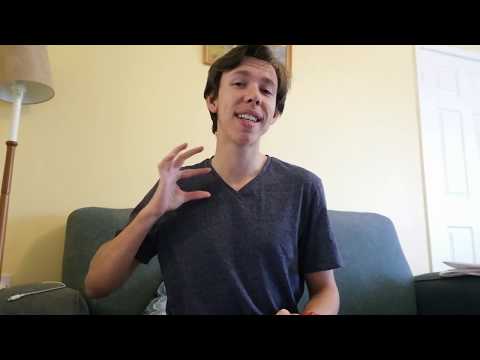
- Start with both hands in front of you, palms facing each other, and fingers extended. This represents the ‘object’ being obstructed.
- Bring your dominant hand forward slightly while keeping your non-dominant hand in place. This shows the action of something moving towards the object.
- While doing this, use a frowning facial expression to indicate the action of obstruction. This non-manual feature is crucial for conveying the meaning.
- Finally, move your dominant hand to the side, as if pushing the ‘obstruction‘ away from the main focus. Make sure your eyes follow the movement to maintain engagement.
Common Mistakes
- Forgetting to use non-manual features like facial expressions, which can lead to misunderstandings.
- Not positioning the hands correctly to represent the object, causing confusion about what is being obstructed.
- Using an incorrect movement that does not reflect the action of obstruction, such as an upward motion instead of a sideways push.
BSL vs ASL
In American Sign Language (ASL), the sign for “obstruct” differs significantly from BSL. While BSL uses both hands to depict the action of blocking, ASL may utilize a single hand and different hand shapes. This highlights the unique grammatical structures and expressions within each sign language.
Related Signs
- Block – To prevent movement or access.
- Impede – To delay or hinder progress.
- Stop – To halt an action or movement.
- Hinder – To create obstacles that make it difficult to proceed.
- Obstruct – To block an object or action.
Frequently Asked Questions
How can I use “obstruct” in a BSL sentence?
You can use “obstruct” in a sentence by establishing the topic first. For example, “The view is obstructed” can be signed as “VIEW (topic) OBSTRUCT (comment)”.
Are there regional variations for this sign in the UK?
While the sign for “obstruct” is generally consistent, some regions may have slight variations in hand movements or facial expressions. It’s good to learn from local Deaf communities.
What are some similar signs to “obstruct”?
Signs like “block” or “hinder” are related and convey similar meanings. It’s helpful to learn these for richer communication.
What tips do you have for learning this sign?
Practice with a mirror to refine your hand shapes and facial expressions. Watching videos of native signers can also enhance your learning experience.
Is the context important for using “obstruct”?
Yes, context helps clarify what is being obstructed. Always make sure your signs match the situation for clear communication.
Can I use this sign in different contexts?
Absolutely! “Obstruct” can be used in various contexts, such as physical barriers or interruptions in communication. Adapt the sign to fit your topic!
Practice This Sign
Try signing Obstruct In Bsl with your camera and get AI coaching on your handshape, movement, and location.
Free · No signup required