
Observer in British Sign Language (BSL)

The sign for “observer” in BSL is used to describe someone who watches or observes something closely. This term is often used in contexts like discussions about research, events, or performances where observation is key. It reflects the importance of active engagement in the Deaf community.
How to Sign “Observer” in BSL
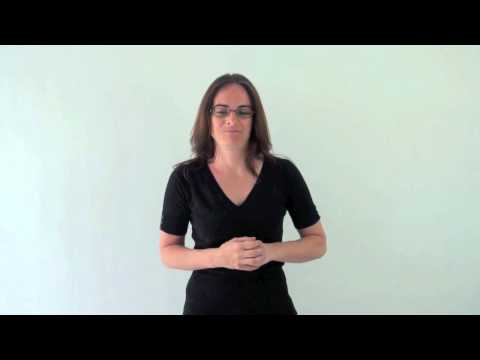
- Start with your dominant hand in a flat handshape (like a ‘B’ handshape), fingers extended and together.
- Position your hand in front of your forehead, with the palm facing outward.
- Gently move your hand away from your forehead in a small arc, as if you are observing something in front of you.
- Maintain a neutral facial expression or slightly raise your eyebrows to indicate interest in what you are observing.
- Ensure you are using space effectively; if you are referring to a specific location or event, point to that space as you perform the sign.
Common Mistakes
- Confusing the handshape: Make sure to use a flat handshape, rather than a fist or bent fingers.
- Incorrect movement: The hand should move away from the forehead in an arc, rather than just dropping down.
- Neglecting facial expressions: Non-manual features are essential in BSL and convey meaning, so be mindful of your expressions.
BSL vs ASL
In BSL, the sign for “observer” involves a distinct movement away from the forehead with a flat handshape. In contrast, ASL uses a different handshape and movement, often incorporating more dynamic gestures. This highlights the unique grammatical structures and visual language of each sign language.
Related Signs
- Watch – To look at something attentively.
- See – To perceive with the eyes.
- Look – To direct one’s gaze towards something.
- Attend – To be present and paying close attention.
Frequently Asked Questions
How do I use “observer” in a BSL sentence?
You can use “observer” at the beginning of a sentence to set the topic, for example: “Observer (sign) interesting event (sign).” This follows the topic-comment structure.
Are there regional variations for the sign “observer”?
While the sign is generally consistent, some regional dialects may have slight variations in handshape or movement. It’s best to learn from local Deaf signers.
What are some similar signs to “observer”?
Similar signs include “watch” and “look,” which convey related meanings but may differ in context and usage. Practice each to understand their nuances.
Any tips for learning this sign?
Practice in front of a mirror to ensure your handshape and facial expressions are correct. Watching videos of native signers can also be helpful.
Can this sign be used in different contexts?
Yes, “observer” can be used in various contexts, such as academic discussions, social events, or performances. The context will determine the specific meaning.
Is facial expression really necessary in BSL?
Absolutely! Facial expressions play a crucial role in conveying emotion and intention in BSL, making your signing more expressive and clear.
Practice This Sign
Try signing Observer In Bsl with your camera and get AI coaching on your handshape, movement, and location.
Free · No signup required