
Absolutely in British Sign Language (BSL)

The sign for “absolutely” in BSL conveys strong affirmation or agreement. It’s commonly used in various contexts to express certainty or enthusiasm within the UK Deaf community. This sign can serve as a powerful response in conversation, emphasizing your commitment to a statement or idea.
How to Sign “Absolutely”
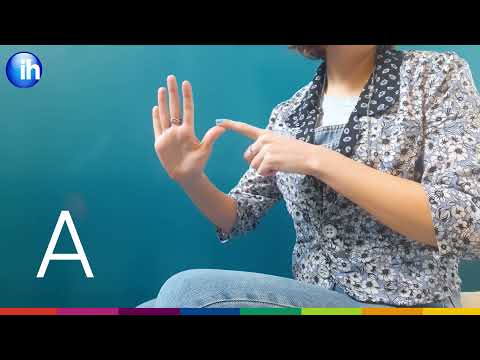
- Start with your dominant hand in a flat handshape (like an open palm) facing forward.
- Position your hand at about chest height, close to your body.
- Move your hand slightly forward and outward in a confident motion, while keeping your palm facing forward.
- Incorporate a facial expression that conveys enthusiasm or certainty—this could be a bright smile or wide eyes, enhancing the meaning of the sign.
- Remember to maintain eye contact with your conversation partner to show engagement and affirmation.
Common Mistakes
- Forgetting to use facial expressions, which are crucial in BSL for conveying meaning.
- Using a weak or hesitant hand movement, which may not effectively communicate the strength of “absolutely.”
- Improper placement of the hand, either too low or too far from the body, which can make the sign unclear.
BSL vs ASL
In BSL, the sign for “absolutely” involves a specific handshape and movement that may differ from its American counterpart, ASL. ASL typically uses a different handshape and often combines the sign with facial expressions differently. Understanding these nuances helps to appreciate the unique aspects of each sign language.
Related Signs
- Yes – A sign for agreement or affirmation.
- Very – Used to intensify an adjective or statement.
- True – Indicates truthfulness in a statement.
- Certain – Expresses certainty about something.
- Strong – Signifying something powerful or robust.
Frequently Asked Questions
How can I use “absolutely” in a BSL sentence?
You can use “absolutely” to affirm a statement: “I love this!” (sign “I” + “love” + “this” + “absolutely”).
Are there regional variations of this sign in the UK?
While the sign is generally consistent, some regions may have slight variations in movement or facial expressions.
What signs are similar to “absolutely”?
Signs like “yes” and “very” can convey similar affirmations, depending on context.
Any tips for learning this sign?
Practice in front of a mirror to ensure your hand shape and facial expressions are clear and confident.
Can I use “absolutely” in formal settings?
Yes, this sign is appropriate in both casual and formal contexts, as it conveys strong affirmation.
What is the importance of non-manual features in BSL?
Non-manual features, like facial expressions, enhance the meaning of signs and convey emotions or intensity.
Practice ASL Signs
Use your camera to practice signs and get real-time AI feedback on your technique.
Free · No signup required