
Obsessive Compulsive Disorder in British Sign Language (BSL)

The sign for “obsessive compulsive disorder” (OCD) in British Sign Language (BSL) is used to describe the mental health condition characterized by repetitive, unwanted thoughts and behaviours. It is often used in discussions around mental health awareness within the UK Deaf community. The sign can be particularly helpful when talking about experiences or providing support to those affected by OCD.
How to Sign “Obsessive Compulsive Disorder”
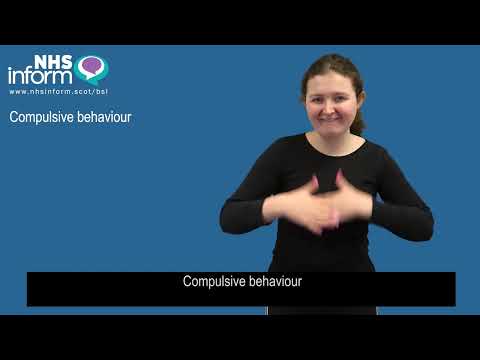
- Start with your dominant hand in a flat ‘B’ handshape (palm facing down). Hold it at chest height.
- Move your hand in a circular motion, creating a small clockwise circle.
- As you perform the circular motion, use your facial expressions to convey seriousness or concern, reflecting the emotional weight of the subject.
- Finish the motion by bringing your hand back to the starting position, which signifies the repetitive nature of OCD.
Common Mistakes
- Forgetting to use facial expressions, which are crucial in BSL for conveying meaning.
- Using an incorrect handshape or positioning the hand too low, which can change the sign’s meaning.
- Not using enough space to indicate the repetitive aspect of the disorder.
BSL vs ASL
In American Sign Language (ASL), the sign for obsessive compulsive disorder differs significantly from BSL. ASL may use a different handshape and movement, reflecting their unique grammatical structure. It’s important to learn the specific signs for each language as they do not directly translate.
Related Signs
- Mental Health – Discussing overall mental well-being.
- Anxiety – A sign for feelings of worry or unease.
- Depression – Representing feelings of sadness or low mood.
- Therapy – Referring to treatment methods for mental health issues.
Frequently Asked Questions
How can I use this sign in a sentence?
You can say, “I have OCD” by signing “I” followed by the sign for obsessive compulsive disorder.
Are there regional variations for this sign in the UK?
Generally, the sign remains consistent across the UK, but some regional signs may exist. It’s always good to learn from local Deaf communities.
What are some similar signs related to mental health?
Related signs include “anxiety,” “stress,” and “depression,” each reflecting different aspects of mental health.
What tips do you have for learning this sign?
Practice regularly, watch videos, and engage with the Deaf community for feedback on your signing.
Can I use this sign in casual conversations?
Yes, it’s important to raise awareness about mental health, and using this sign in casual conversations can help reduce stigma.
What if I see someone acting compulsively?
You can use this sign to express concern or ask if they need support, showing empathy and understanding.
Practice This Sign
Try signing Obsessive Compulsive Disorder In Bsl with your camera and get AI coaching on your handshape, movement, and location.
Free · No signup required